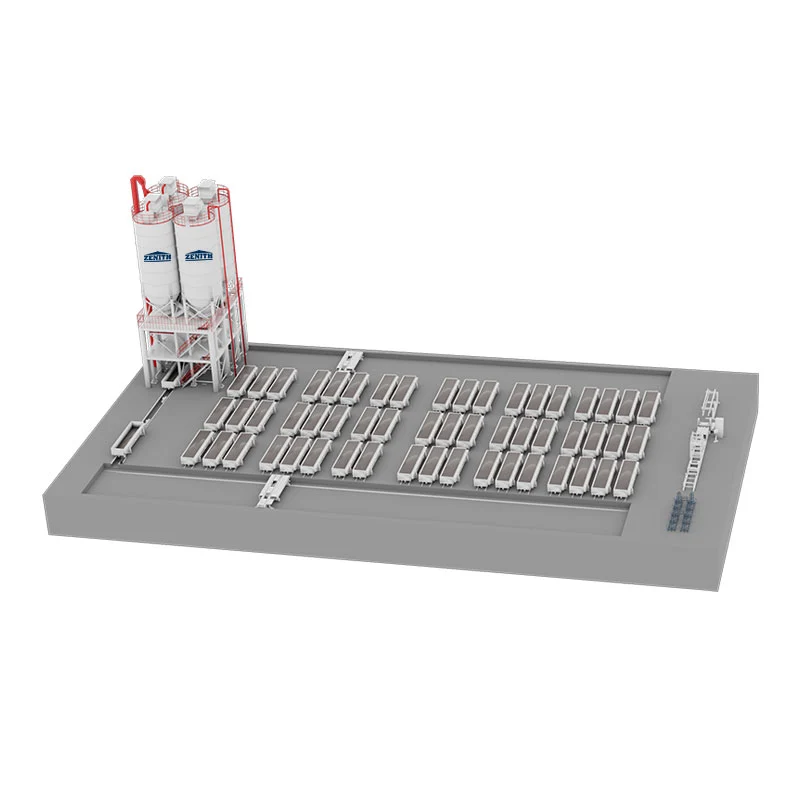
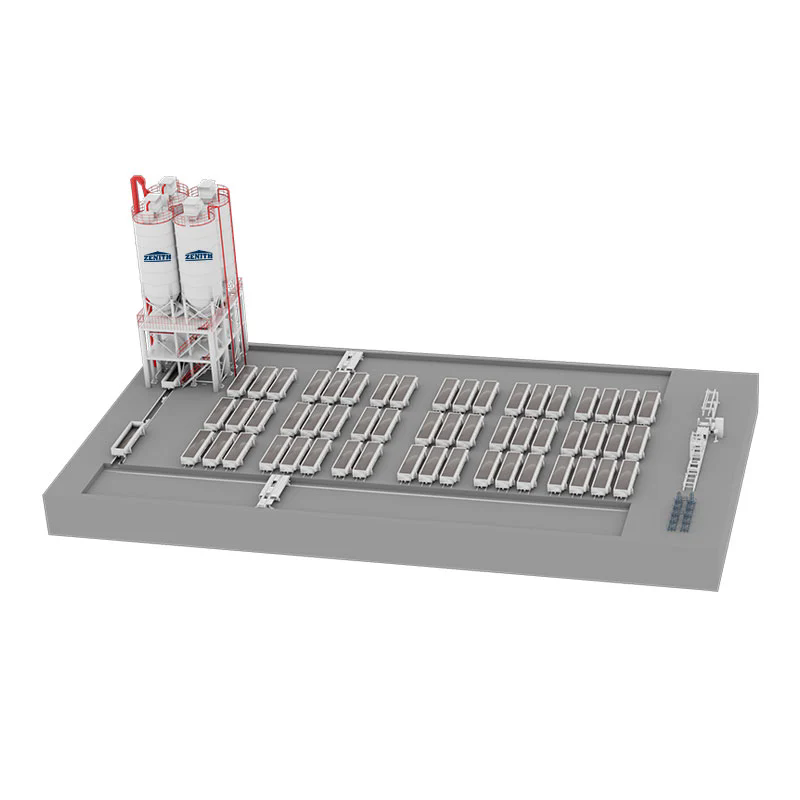
The global construction industry is rapidly shifting toward lightweight, energy-efficient, and sustainable building materials. Among these innovations, Autoclaved Aerated Concrete (AAC) panels have become a preferred solution for residential, commercial, industrial, and infrastructure projects. Behind every high-quality AAC panel lies an advanced AAC Panel Plant capable of delivering consistent production, precise quality control, and scalable manufacturing capacity.
This comprehensive guide explores how an AAC Panel Plant works, its major components, production processes, investment considerations, operational benefits, quality management requirements, and future industry trends. Whether you are planning to establish a new manufacturing facility or upgrade an existing production line, this article provides practical insights to support informed decision-making.
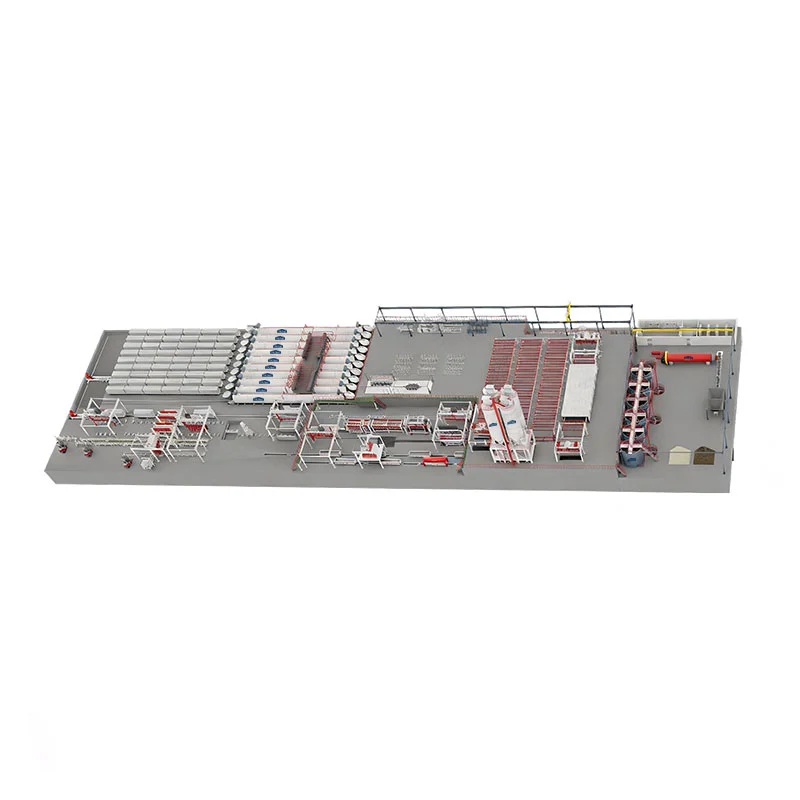
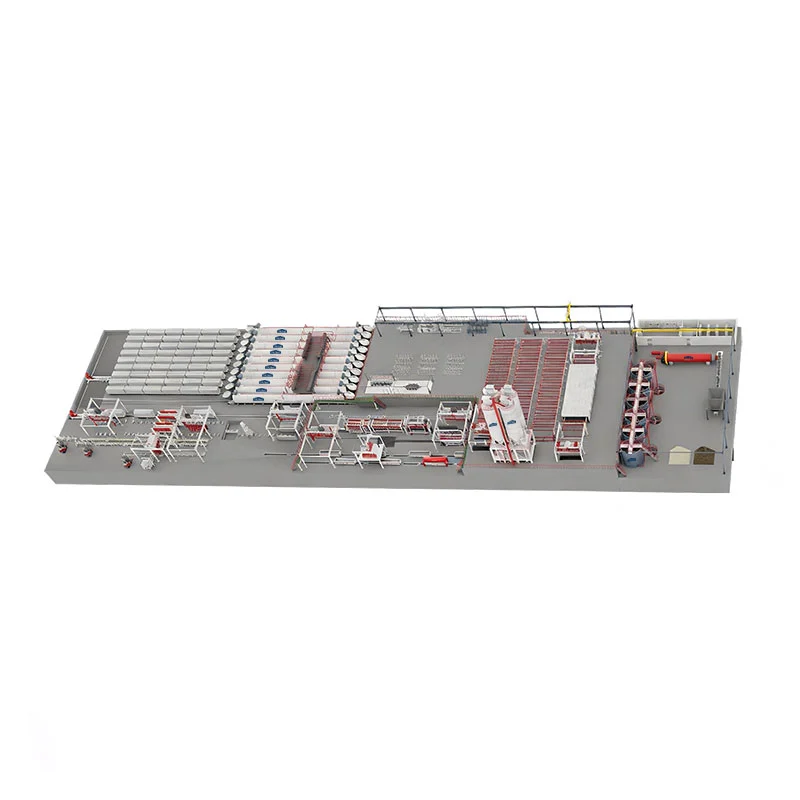
An AAC Panel Plant is a specialized manufacturing facility designed to produce reinforced Autoclaved Aerated Concrete panels used in walls, floors, roofs, and prefabricated building systems. These plants integrate material preparation, reinforcement processing, molding, cutting, autoclaving, and packaging into a continuous production system.
AAC panels are manufactured using a mixture of:
Through a controlled chemical reaction and high-pressure steam curing process, the material develops a lightweight cellular structure with excellent thermal insulation and structural performance.
Construction companies, developers, and governments are increasingly adopting AAC panels due to stricter building regulations, labor shortages, and rising demand for sustainable construction materials.
| Market Driver | Impact on AAC Demand |
|---|---|
| Urbanization | Higher demand for rapid construction methods |
| Energy Efficiency Standards | Need for better thermal insulation |
| Labor Cost Increases | Prefabricated solutions reduce manpower needs |
| Sustainability Goals | Lower environmental impact compared to traditional materials |
| Industrialized Construction | Growing use of prefabricated building components |
As modular construction continues to expand globally, AAC panel production facilities are becoming strategic investments for building material manufacturers.
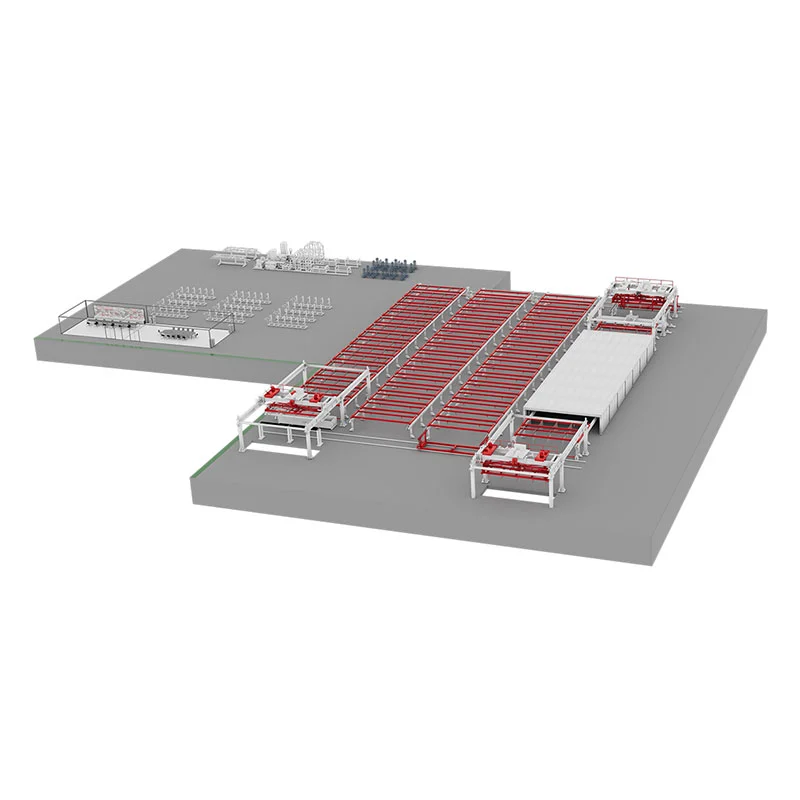
A modern AAC Panel Plant consists of multiple integrated systems designed to maintain stable production and consistent product quality.
| Equipment | Main Function |
|---|---|
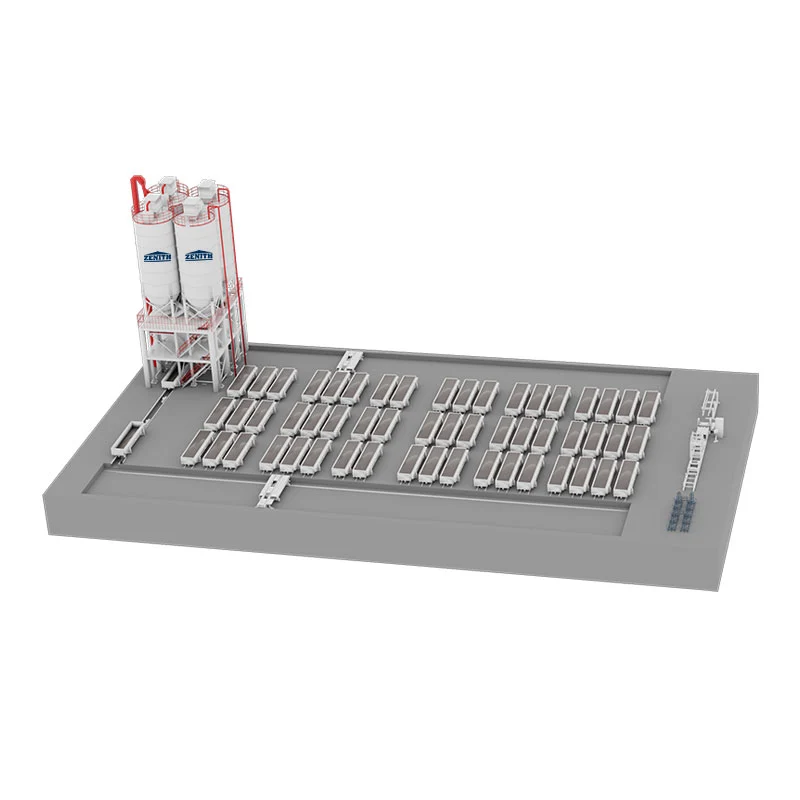
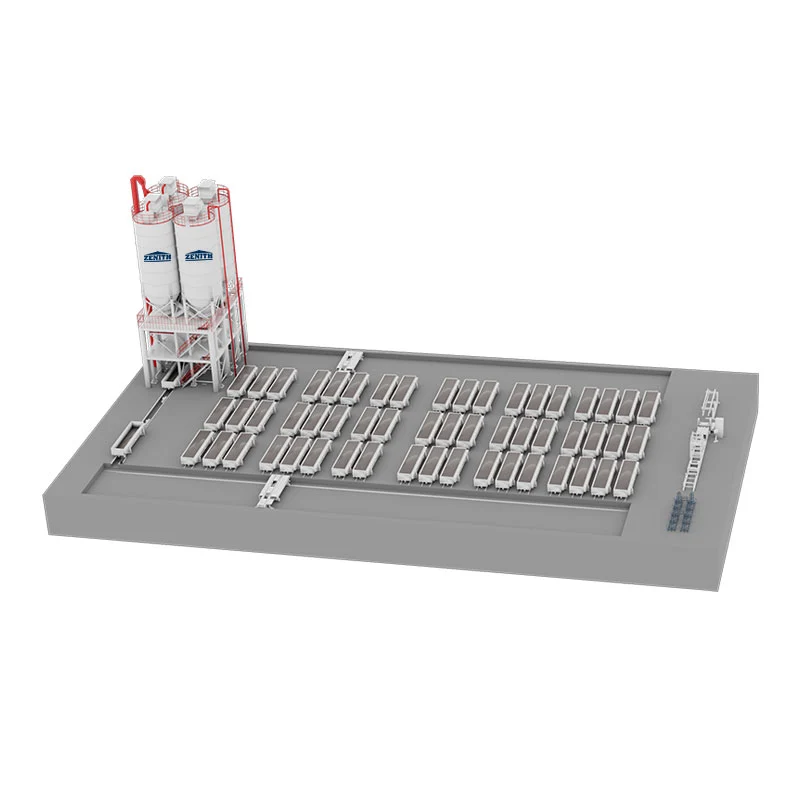
| Raw Material Storage System | Stores cement, lime, gypsum, and sand |
| Batching System | Controls accurate material proportions |
| Mixing Equipment | Creates homogeneous slurry |
| Reinforcement Processing Line | Manufactures steel reinforcement cages |
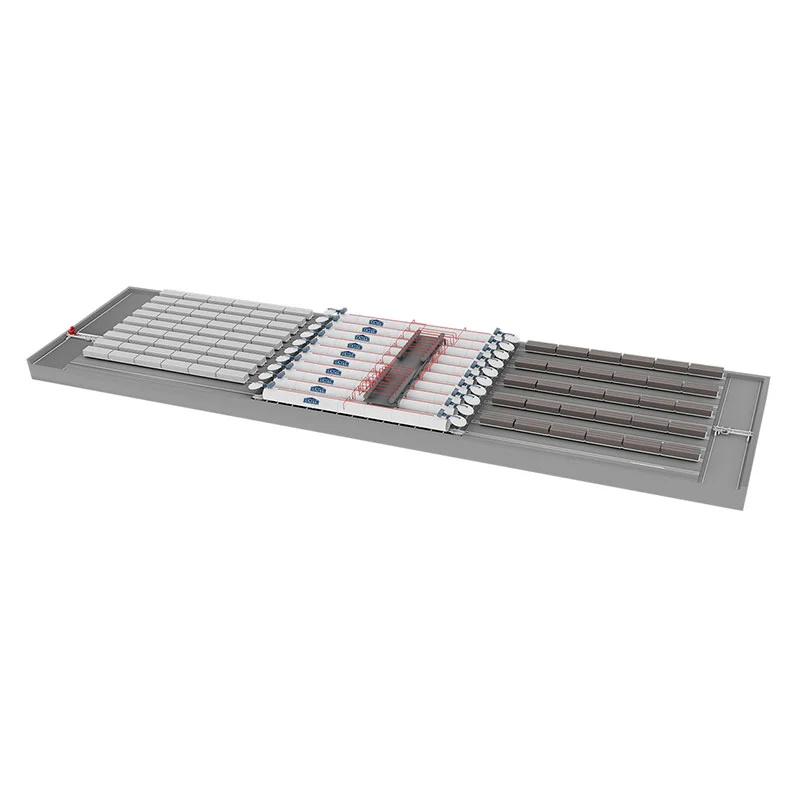
| Molding Section | Forms green cake structures |
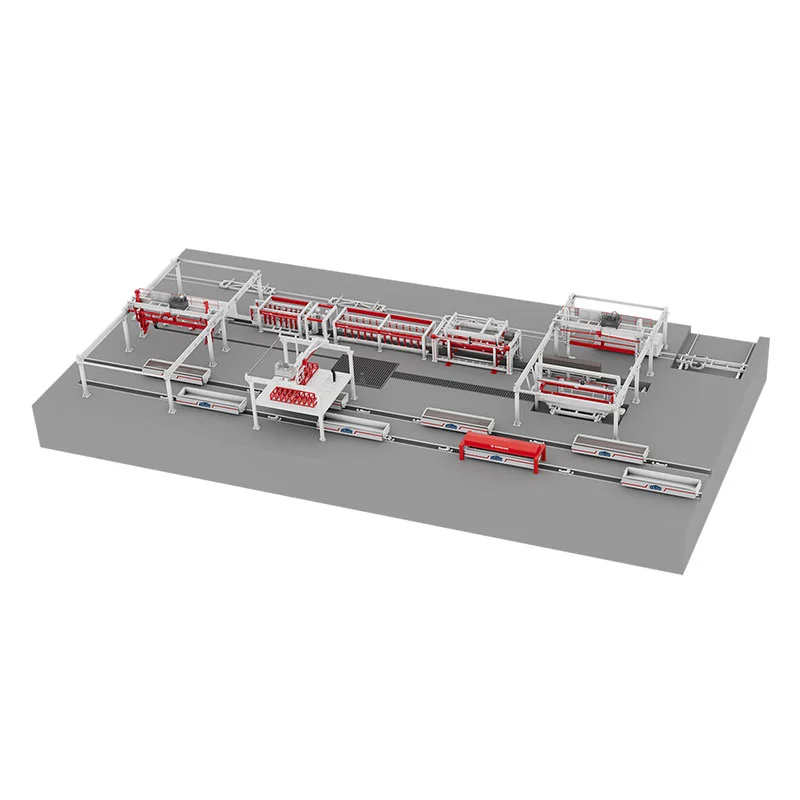
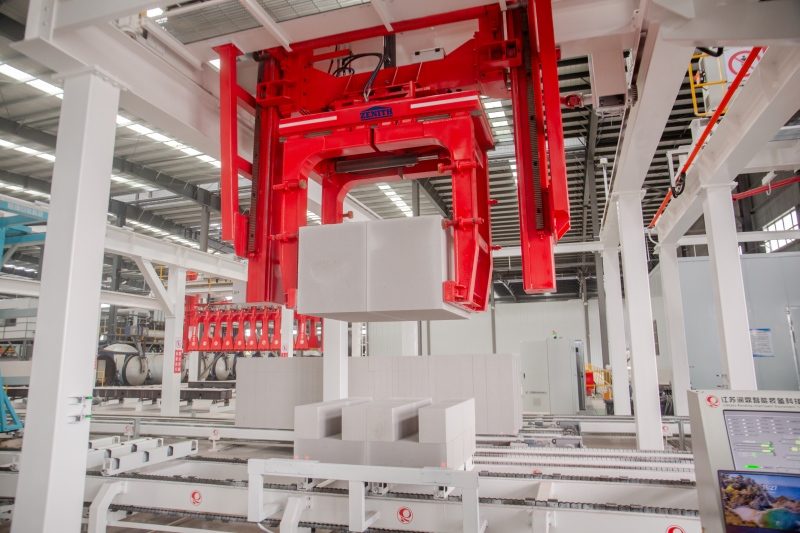
| Cutting Machine | Achieves precise panel dimensions |
| Autoclave System | Performs high-pressure steam curing |
| Packing System | Prepares finished panels for shipment |
Efficient coordination between these systems determines the overall productivity of the facility.
The production process follows a highly controlled workflow designed to maximize consistency and minimize waste.
Silica sand or fly ash is ground into fine powder. Cement, lime, gypsum, and water are measured according to specific production formulas.
Materials are blended into a uniform slurry. Aluminum powder is then introduced to generate hydrogen gas, creating millions of microscopic air pores.
The mixture is poured into molds containing reinforced steel cages.
The material expands and hardens sufficiently for cutting.
Advanced cutting systems shape panels according to design specifications.
Panels enter autoclaves where they are cured under high pressure and temperature, forming strong crystalline structures.
Finished panels undergo inspection before packaging and shipment.
AAC panels provide significant performance benefits compared to conventional construction materials.
| Benefit | Description |
|---|---|
| Lightweight | Reduces structural load requirements |
| Thermal Insulation | Improves energy efficiency |
| Fire Resistance | Excellent fire protection performance |
| Sound Insulation | Enhances indoor comfort |
| Fast Installation | Accelerates project completion |
| Dimensional Accuracy | Improves construction precision |
| Environmental Benefits | Lower resource consumption |
These advantages explain why AAC panels are widely used in high-rise buildings, schools, hospitals, factories, and residential developments.
Investing in an AAC Panel Plant requires careful evaluation of multiple factors.
A properly planned facility can achieve high operational efficiency and long-term profitability.
Consistent product quality is critical for market competitiveness and customer satisfaction.
Manufacturers typically monitor:
Advanced laboratories perform routine testing to ensure compliance with project specifications and industry standards.
Automation has transformed AAC panel production by improving efficiency, reducing labor dependency, and enhancing process stability.
Modern AAC Panel Plants frequently incorporate:
These technologies help manufacturers maximize output while minimizing production interruptions.
| Factor | AAC Panels | Traditional Concrete | Clay Bricks |
|---|---|---|---|
| Weight | Light | Heavy | Medium |
| Thermal Performance | Excellent | Moderate | Moderate |
| Installation Speed | Fast | Medium | Slow |
| Labor Requirement | Lower | Higher | Highest |
| Fire Resistance | Excellent | Good | Good |
| Material Efficiency | High | Medium | Medium |
The comparison clearly demonstrates why AAC technology continues gaining popularity across global construction markets.
| Challenge | Recommended Solution |
|---|---|
| Raw Material Variability | Implement strict supplier qualification programs |
| Energy Consumption | Optimize autoclave efficiency |
| Production Downtime | Use predictive maintenance systems |
| Labor Skills Gap | Provide continuous technical training |
| Market Competition | Focus on quality and innovation |
Addressing these challenges proactively can significantly improve long-term operational performance.
The AAC industry is expected to experience continuous technological advancement over the next decade.
Manufacturers that adopt these innovations early will likely strengthen their market position and production efficiency.
Q1: What products can be manufactured in an AAC Panel Plant?
AAC wall panels, floor panels, roof panels, partition panels, and other prefabricated building components.
Q2: How long does AAC panel production take?
Depending on plant configuration and curing schedules, production cycles typically range from several hours to one day.
Q3: Are AAC panels suitable for high-rise buildings?
Yes. Their lightweight nature reduces structural loads while maintaining excellent performance characteristics.
Q4: What is the most critical equipment in an AAC Panel Plant?
Every system is important, but autoclaves and cutting machines significantly influence final product quality.
Q5: Is automation necessary for AAC production?
While manual operations are possible, automation improves consistency, efficiency, safety, and profitability.
Q6: What determines plant production capacity?
Capacity depends on equipment design, autoclave volume, production shifts, automation level, and factory layout.
Q7: Why are AAC panels becoming more popular?
They offer lightweight construction, excellent insulation, fire resistance, and faster installation compared with many traditional materials.
An AAC Panel Plant represents far more than a manufacturing facility—it serves as the foundation for producing modern building materials that meet the evolving needs of the global construction industry. By combining advanced production technology, rigorous quality control, automation, and efficient resource utilization, these plants enable manufacturers to deliver high-performance AAC panels at scale.
As demand for faster, safer, and more sustainable construction solutions continues to rise, investment in AAC panel manufacturing technology is becoming increasingly attractive for entrepreneurs, construction material suppliers, and industrial investors worldwide.
ZENITH Maschinenfabrik GmbH delivers advanced manufacturing technologies designed to support modern construction material production and sustainable industrial growth. Contact us today to discover how our innovative AAC production solutions can help optimize your manufacturing performance, improve product quality, and strengthen your competitive advantage in the building materials market.