ZENITH Maschinenfabrik GmbH
AAC Board Manufacturing Workshop
  • AAC Board Manufacturing WorkshopAAC Board Manufacturing Workshop

AAC Board Manufacturing Workshop

Looking for high-quality, durable equipment for your AAC Board Manufacturing Workshop? Partner with ZENITH! We are a factory that offers fully equipped machines capable of handling the entire AAC board production process, with an annual capacity of 20,000 to 300,000 cubic meters. Contact us to begin a mutually beneficial collaboration.

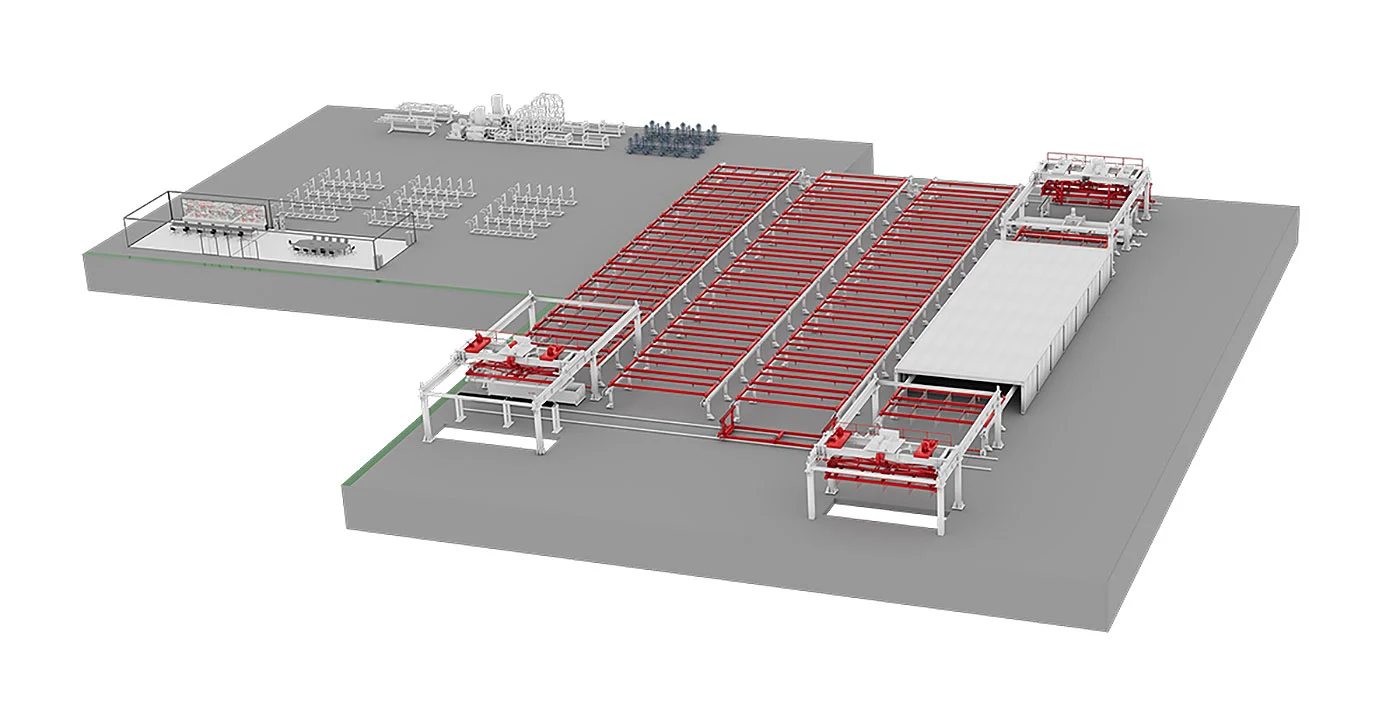
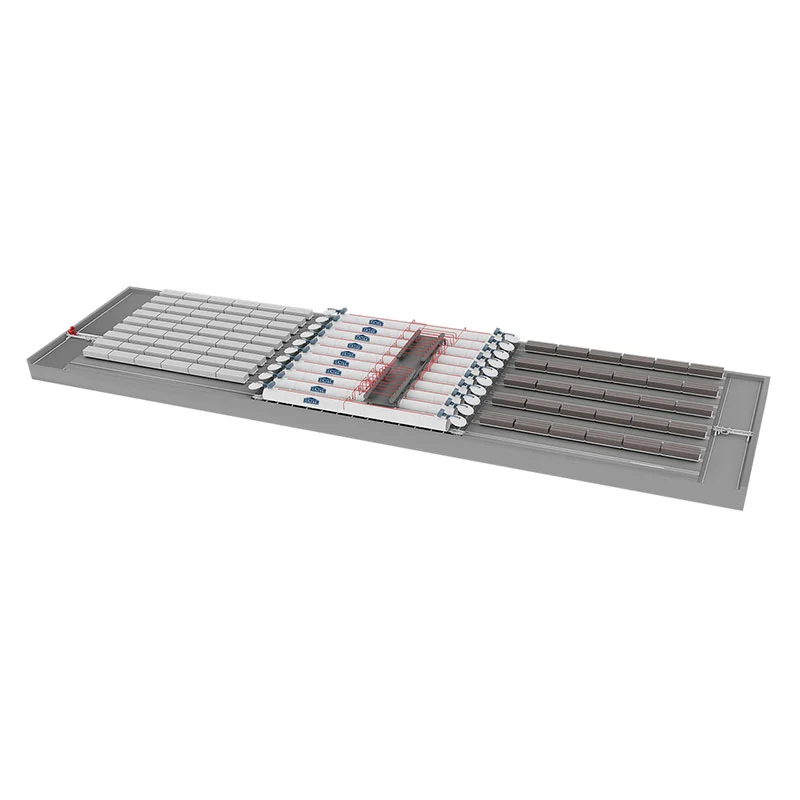
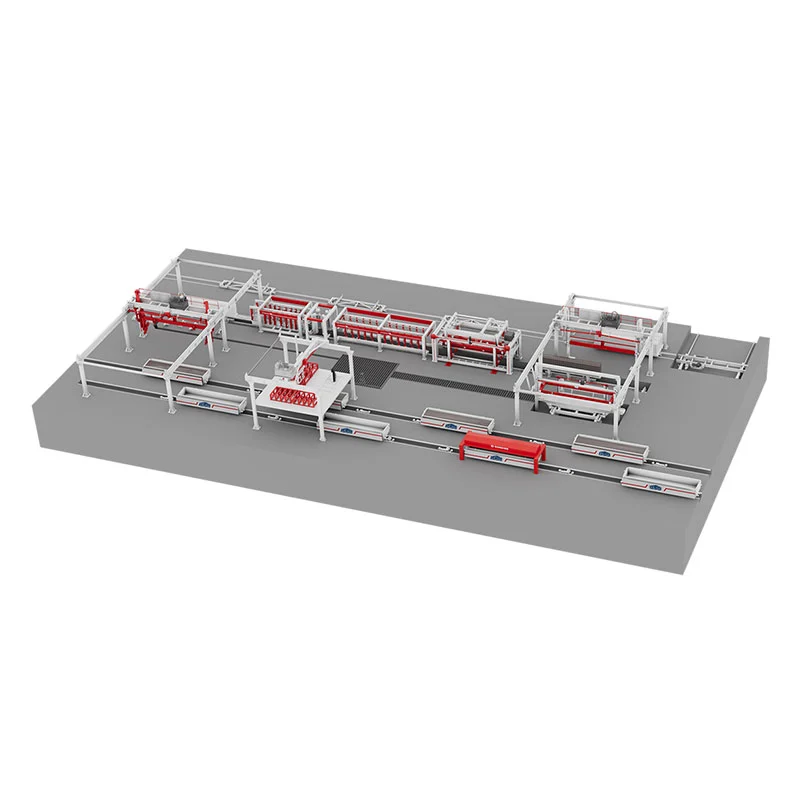
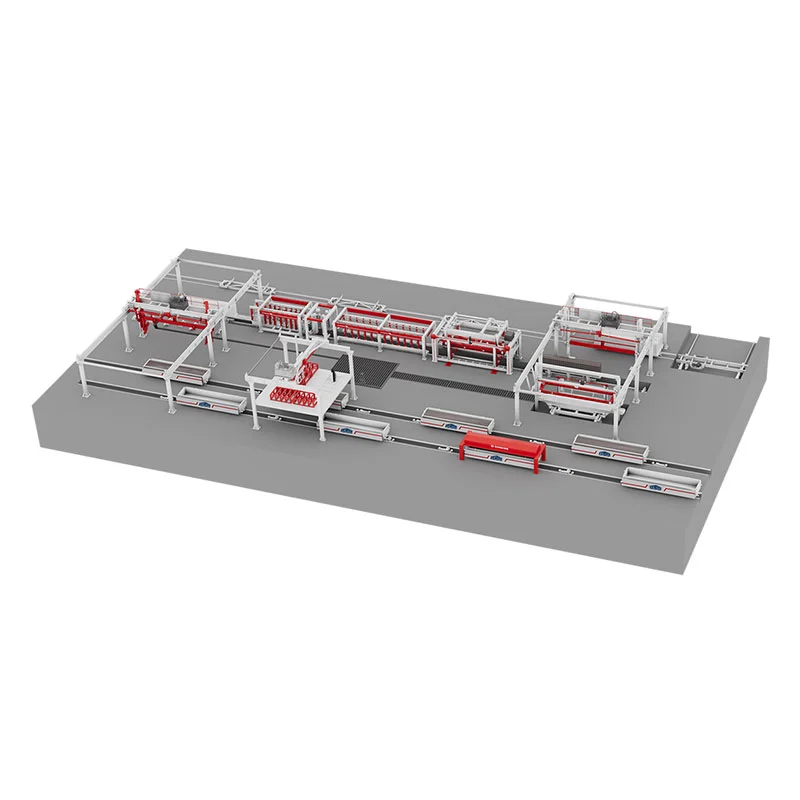
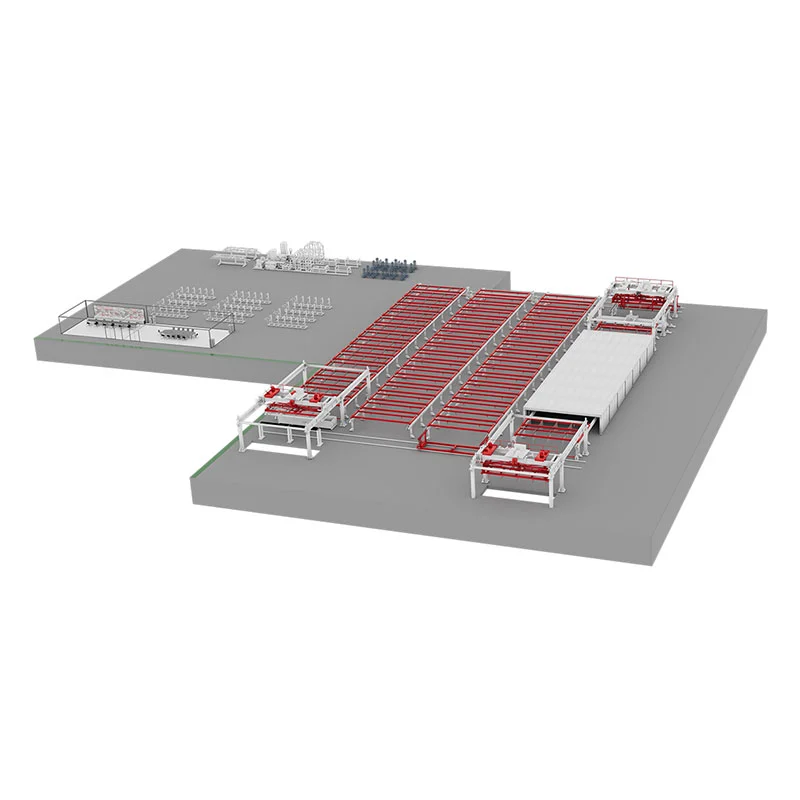
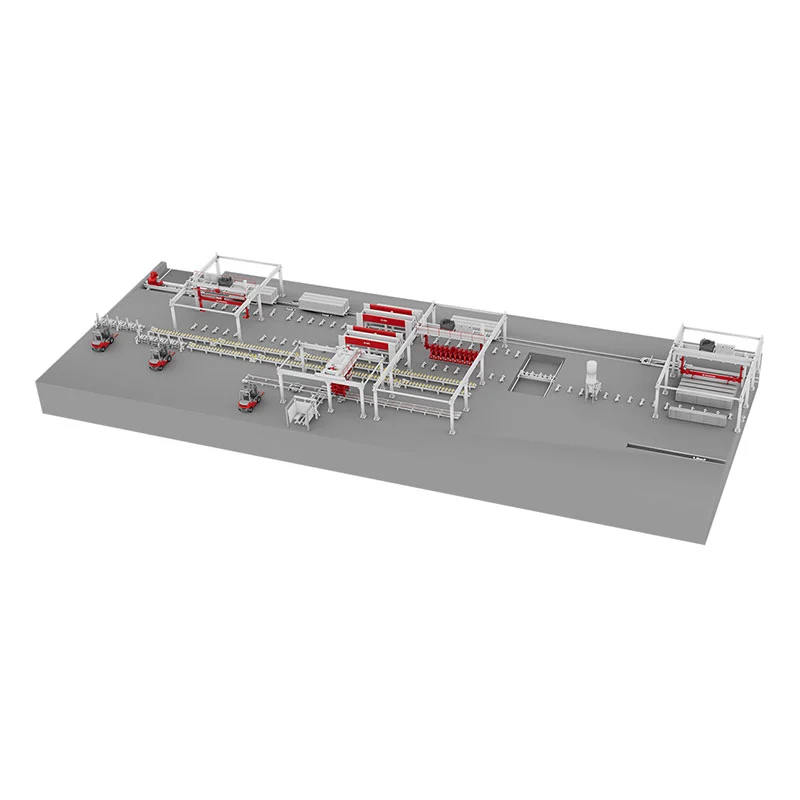
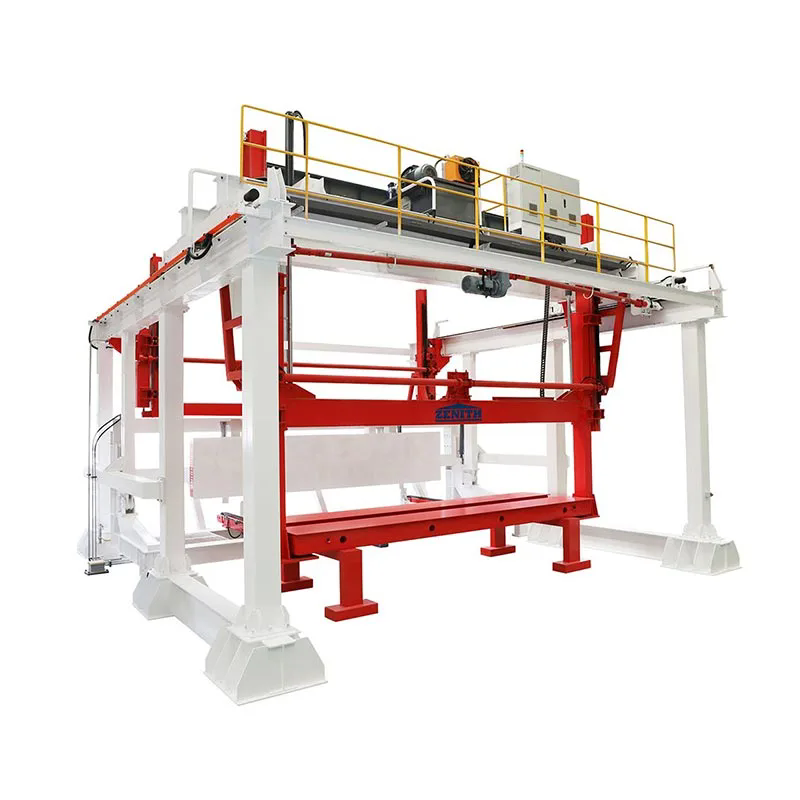
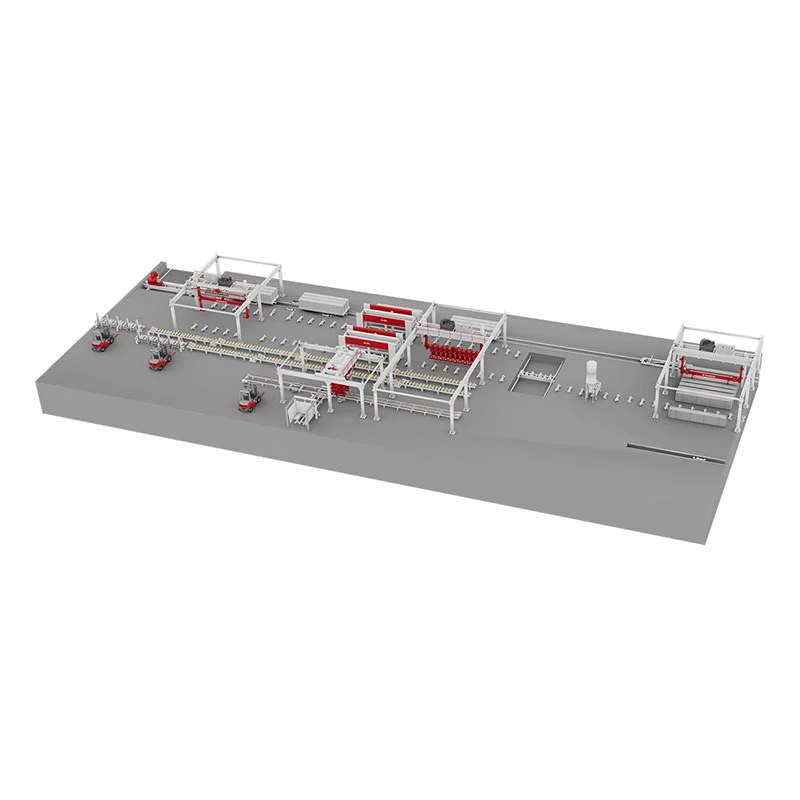
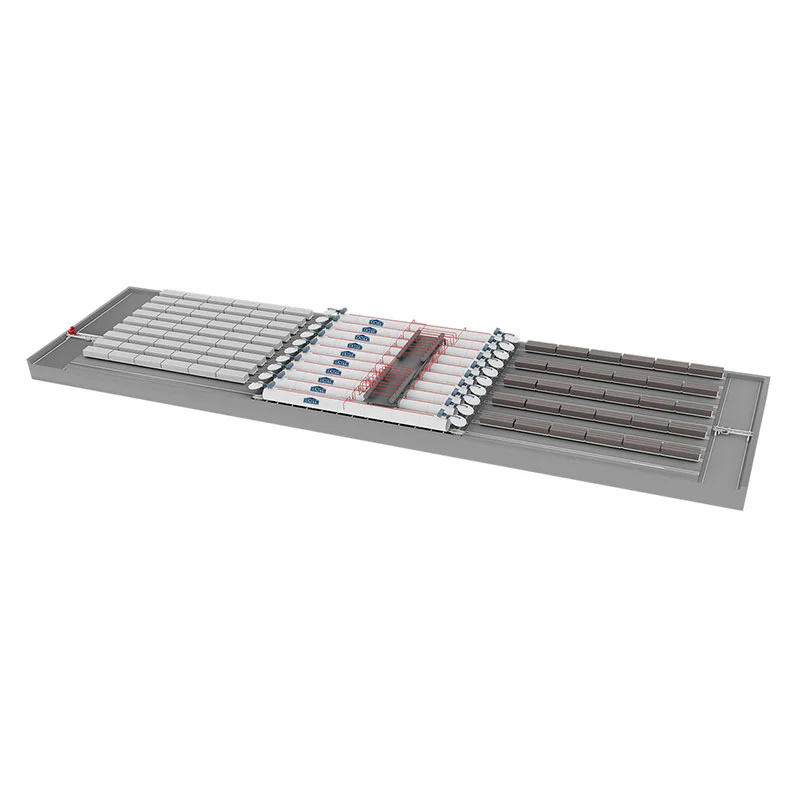
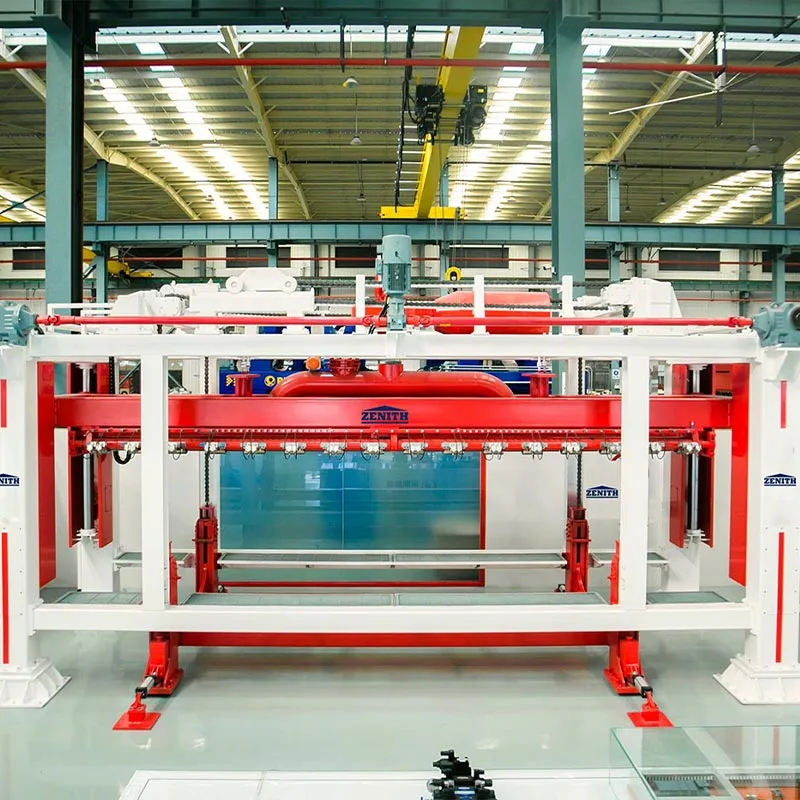
Our advanced AAC Board Manufacturing Workshop enables highly automated, mechanized production of aerated concrete (AAC) boards. Through processes such as batching, foaming, cutting, and autoclaving, the workshop can process fly ash, silica sand, and slag into porous AAC concrete that is lightweight yet offers excellent thermal and sound insulation. Our equipment is perfectly configured for the processing, especially in the cutting and autoclaving steps, as one step determines product precision, and the other is a core process for finished product quality.

Production Process Overview

1. Aerated Concrete Block Raw Material Storage and Supply: Raw materials are transported to the factory by truck. Fly ash (or sand, stone powder) is centrally located in the raw material yard and loaded into hoppers when needed. Bagged or bulk cement is stored in the cement silo and loaded into hoppers when needed. Chemicals and aluminum powder are stored in separate chemical and aluminum powder silos and transported to the production workshop separately when needed.

2. Aerated Concrete Block Raw Material Processing: Fly ash (or sand, stone powder) is fed into the ball mill via an electromagnetic vibrating feeder and belt conveyor. The finely ground fly ash (or sand, stone powder) is then pumped to slurry tanks for storage.

3. Aerated Block Batching, Mixing, and Casting: Lime and cement are conveyed by a screw conveyor under the powder batching silo. The materials are sequentially fed to an automatic weighing scale for cumulative weighing. A screw conveyor underneath the scale evenly adds the materials into the casting mixer.

4. Initial Curing and Cutting of Aerated Blocks: After casting, the mold is pushed into the initial curing chamber by a conveyor chain for gas generation and initial condensation. The room temperature is 50-70℃, and the initial curing time is 1.5-2 hours (this process can be omitted depending on favorable geographical conditions). After initial curing, a negative pressure hoist lifts the mold frame and the billet together onto a cutting table with a pre-placed bottom plate. The mold frame is removed. The cutting machine then performs transverse and longitudinal cuts and mills the bread-like ends of the billet. The mold frame is hoisted back onto the mold transport vehicle for manual cleaning and degreasing, and then hoisted onto the mold car for assembly for the next casting. The cut billets, along with the bottom plate, are hoisted onto the car by an overhead crane and stacked in two layers, with four supports between each layer. Several car cars are grouped together.

AAC Board Manufacturing Workshop

Send Inquiry
Contact Info
Customer proximity is one of our strengths. Whenever you need us, you can rely on us. We do everything we can to be available for you worldwide and to be able to react as quickly as possible when it matters.
ZENITH Maschinenfabrik GmbH
Zenith-Straße 1
D-57290 Neunkirchen

By sending the contact form, you agree that your data may be used to process your request (further information and revocation notices can be found in the data protection declaration).

X
We use cookies to offer you a better browsing experience, analyze site traffic and personalize content. By using this site, you agree to our use of cookies. Privacy Policy
RejectAccept