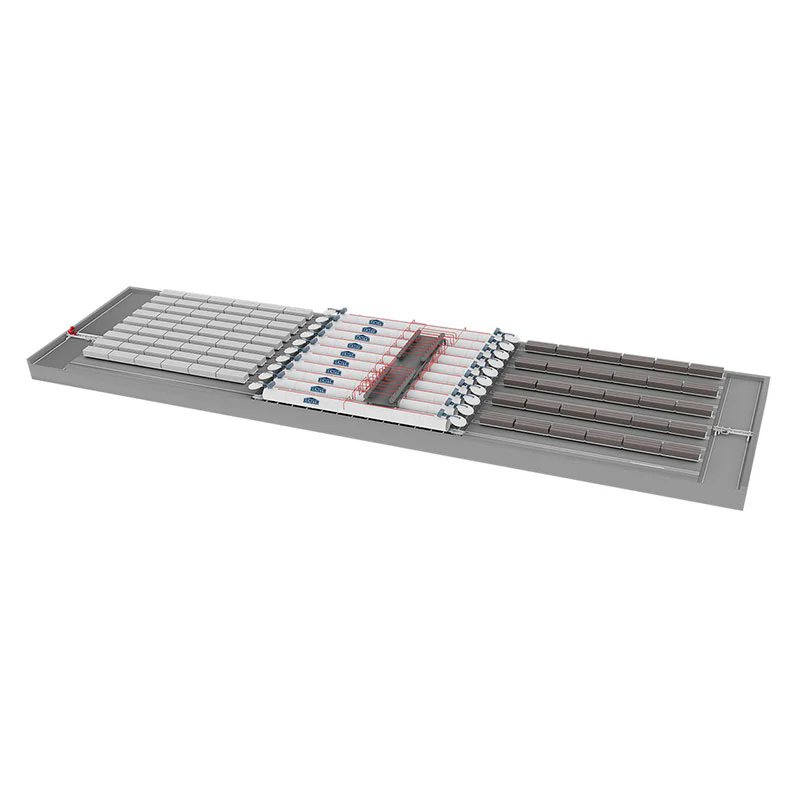
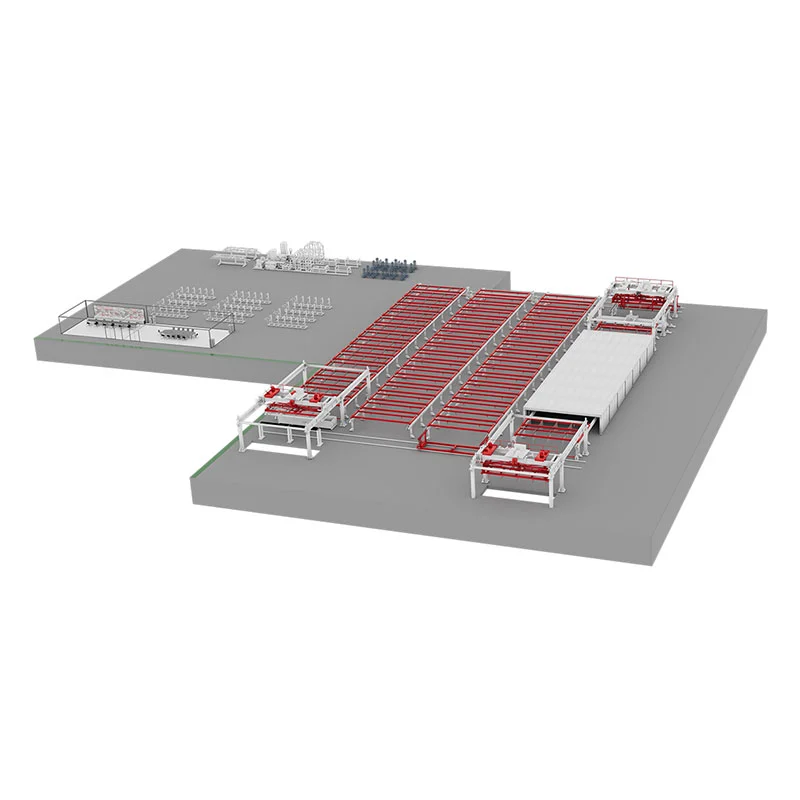
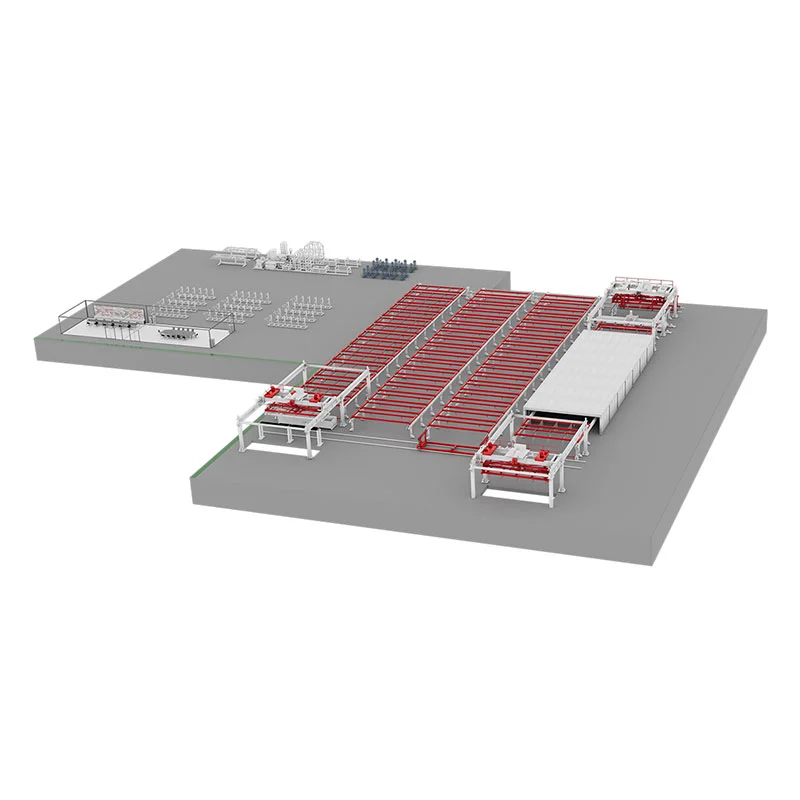
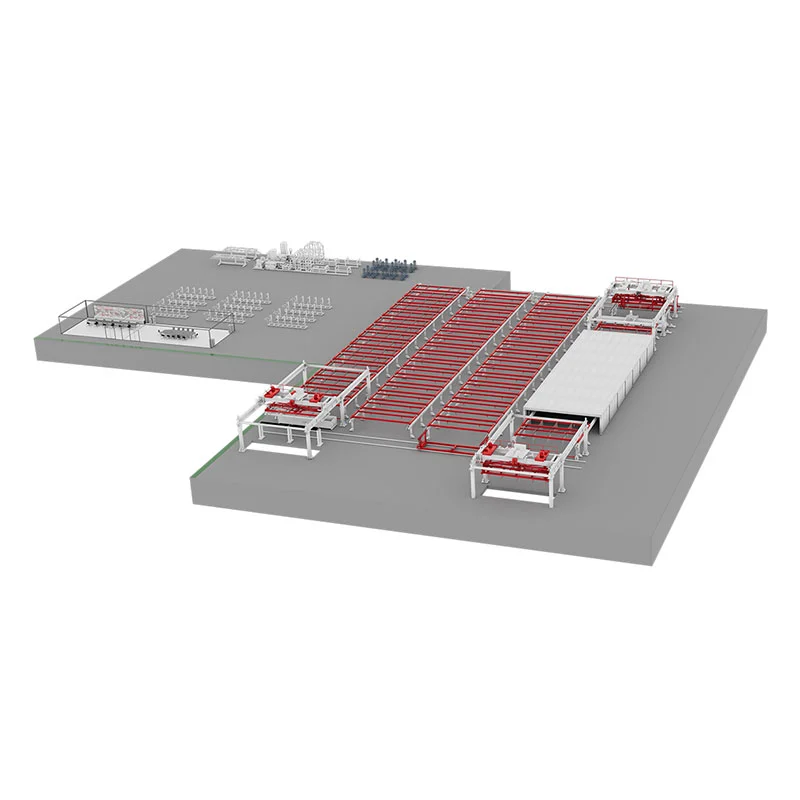
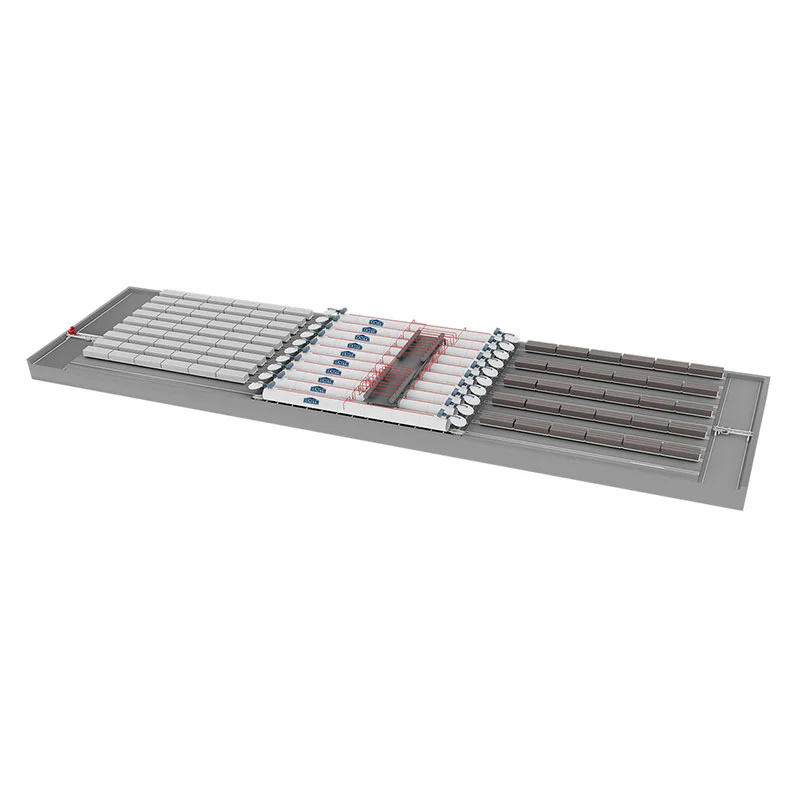
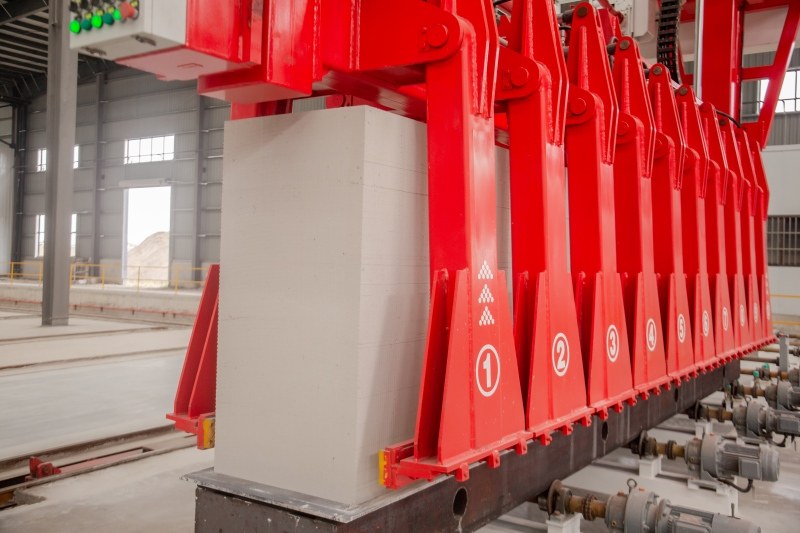
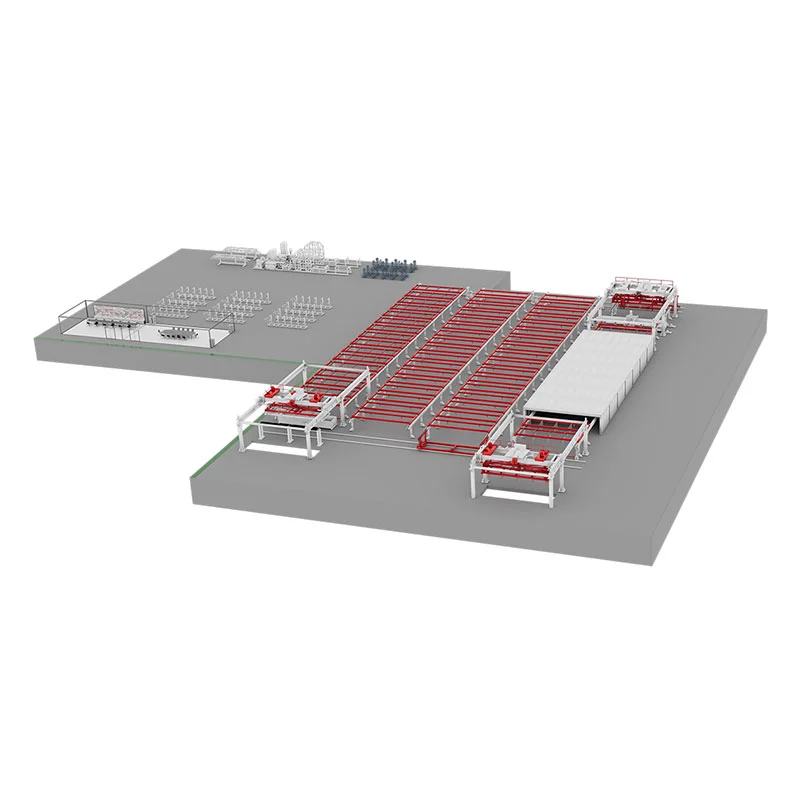
In the competitive world of autoclaved aerated concrete (AAC) manufacturing, precision, speed, and consistency define success. PLC systems have emerged as the cornerstone of modern automation, transforming how AAC sheets are produced. By integrating programmable logic controllers into AAC Sheet Production Line Equipment, manufacturers eliminate manual errors, reduce downtime, and achieve real-time process optimization. Our factory has witnessed a 40% increase in throughput and a significant drop in waste after adopting PLC-driven solutions from Zenith. These systems coordinate batching, mixing, cutting, and curing with unmatched reliability, ensuring every sheet meets exact specifications.
Without PLCs, AAC sheet production suffers from inconsistent density, uneven cutting, and energy inefficiencies. Zenith’s advanced PLC integration synchronizes every stage from slurry preparation to autoclave control. The result? Higher yield, lower operational costs, and seamless scalability. Whether you produce thin sheets or thick panels, a well-designed PLC system provides the data backbone for predictive maintenance and quality assurance. This article explains how PLCs streamline AAC sheet production, presents technical parameters of our equipment, and answers the most common questions about automation. Read on to discover why our factory leads the industry in intelligent AAC solutions.
Raw material batching is the foundation of AAC quality. Even minor deviations in lime, cement, sand, or gypsum proportions lead to structural weakness or surface defects. Traditional manual batching relies on operator vigilance, which is prone to fatigue and error. Our factory implemented Zenith’s PLC-controlled batching system to automate weighing and dosing. The PLC reads recipes from a centralized database and adjusts each component in real time based on moisture content and temperature. This eliminates guesswork and ensures that every batch conforms to strict tolerances.
Key benefits of PLC-driven batching include:
Our AAC Sheet Production Line Equipment uses high-resolution sensors that communicate directly with the PLC via industrial Ethernet. The system can store up to 500 recipes, and changeover between recipes takes less than two minutes. Moreover, the PLC flags any deviation exceeding 0.5% and pauses production until an operator reviews the alarm. This proactive quality control reduces raw material waste by 18% annually, as verified in our factory audits. For manufacturers aiming to scale, PLC batching ensures that each AAC sheet maintains uniform density and compressive strength. Without automation, batching inconsistencies cascade into later stages, causing cutting cracks or uneven autoclaving. Therefore, investing in PLC-enhanced batching is not optional but essential for premium AAC sheet production.
Additionally, the PLC integrates with enterprise resource planning (ERP) systems, allowing our clients to monitor material consumption remotely. Real-time dashboards show batch status, trending graphs, and predictive alerts for silo refills. This level of insight empowers plant managers to optimize inventory and reduce downtime. In summary, PLC systems transform batching from a potential bottleneck into a streamlined, error-proof process. Zenith’s expertise in calibrating load cells and tuning PID loops ensures that our customers achieve 99.8% batching accuracy day after day.
After batching, the mixing and casting stages determine the slurry’s homogeneity and pore structure. Inconsistent mixing leads to large voids, sedimentation, or poor green strength. PLC systems orchestrate the mixer’s speed, duration, and sequence, while also controlling the pouring temperature and water-to-solid ratio. Our factory utilizes Zenith’s PLC to manage planetary mixers with variable frequency drives (VFDs). The PLC accelerates mixing during powder incorporation, then reduces speed to avoid air entrapment. Temperature sensors feed data to the PLC, which adjusts steam injection to maintain 40-45°C for optimal aluminum powder reaction.
Key optimizations enabled by PLCs include:
Our AAC Sheet Production Line Equipment features a touchscreen HMI that displays mixing curves and casting logs. Operators can select predefined programs for different sheet densities (300-800 kg/m³). The PLC also implements safety interlocks: the mixer cannot discharge if the mold is not correctly positioned, preventing spillage. One of the most valuable aspects is the adaptive algorithm that compensates for ingredient temperature variations. For instance, if cement arrives hotter than usual, the PLC reduces mixing time to prevent premature stiffening. This dynamic control ensures that the slurry rises uniformly, producing AAC sheets with fine, evenly distributed pores. Our customers report a 25% reduction in rejected sheets after switching to PLC-managed mixing. Furthermore, the system records every casting cycle, enabling root-cause analysis for any anomalies. By reducing human intervention, the PLC eliminates variations caused by shift changes or operator skill levels. For high-volume production lines, this consistency translates directly into lower production costs and higher customer satisfaction. Zenith’s commissioning team ensures that each PLC program is tuned to your specific raw materials and climate conditions, maximizing efficiency from day one.
Cutting green AAC cakes into precise sheets and then autoclaving them demands synchronization across multiple axes. Any misalignment during cutting causes edge chipping or dimensional errors, while improper curing leads to incomplete tobermorite formation. PLC systems coordinate cutting wire tension, cutting frame speed, and autoclave temperature/pressure ramps. Our factory employs Zenith’s PLC to manage wire-cutting machines with absolute encoders. The PLC ensures that the cutting frame moves at 0.5-2 m/min depending on cake density, preventing wire breakage or surface drag. Simultaneously, the PLC adjusts wire tension via closed-loop pneumatic regulators, achieving cutting tolerances of ±1 mm on sheet length and width.
During autoclaving, the PLC executes a predefined curing cycle with multiple phases: pre-vacuum, heating, constant pressure, and cooling. It monitors pressure transmitters and thermocouples in real time, modulating steam valves to follow the ideal ramp rate. If pressure exceeds the setpoint, the PLC opens exhaust valves gradually to avoid thermal shock. This precise control maximizes the formation of crystalline CSH phases, boosting sheet strength to 4-6 MPa as per ASTM standards. Our AAC Sheet Production Line Equipment also includes safety overrides: if any autoclave door is unsealed, the PLC locks the cycle and vents pressure automatically. Data from each autoclave batch is stored for certification and warranty purposes.
Additional benefits of PLC-controlled cutting and curing:
Our factory has documented that PLC integration reduces cutting rejects from 5% to under 1%. Moreover, consistent curing eliminates soft spots and cracking, enhancing the sheet’s nail-holding capacity and thermal insulation. For manufacturers producing reinforced AAC sheets, the PLC also controls the placement of steel mesh cages before casting, ensuring they remain centered after cutting. Without such automation, manual handling often dislodges reinforcement, leading to structural failure. Therefore, PLCs are indispensable for producing high-grade AAC sheets that meet modern construction demands. Zenith provides full training on PLC programming and troubleshooting, empowering your team to maintain peak performance.
When selecting AAC Sheet Production Line Equipment, buyers must evaluate key performance metrics that directly affect output, quality, and operating costs. Below is a detailed table of specifications from Zenith’s PLC-integrated systems, based on data from our factory installations worldwide. These parameters demonstrate how PLC control enables precise regulation of each production phase.
| Parameter | Value Range | PLC Control Feature |
| Batching accuracy (per component) | ±0.2% to ±0.5% | Closed-loop weighing with auto-tare correction |
| Mixing speed (variable) | 0-1500 rpm | VFD controlled, recipe-specific speed profiles |
| Casting time per mold | 45-90 seconds | Sequential logic with interlock checks |
| Cutting tolerance (length/width/height) | ±1 mm to ±1.5 mm | Servo positioning and wire tension regulation |
| Autoclave pressure range | 0.8-1.2 MPa | PID loops with ramp/soak programming |
| Autoclave temperature range | 180°C - 200°C | Multi-zone thermocouple feedback |
| Cycle time (batching to finished sheet) | 8-12 hours (including curing) | Production scheduler integrated in PLC |
| Energy consumption per m³ | 35-45 kWh | Demand-based steam and motor control |
| PLC scan cycle time | < 10 ms | Real-time I/O update and alarm handling |
| Data retention | 5 years on local SD card | Event logging and recipe backup |
Our factory has refined these parameters over two decades, ensuring that Zenith’s AAC Sheet Production Line Equipment delivers consistent output of up to 300,000 m³ per year per line. The PLC’s ability to log trends and generate shift reports helps our clients meet strict quality certifications like EN 12602 or ASTM C1693. Furthermore, remote access via secure VPN allows Zenith’s support team to diagnose issues instantly, reducing mean time to repair. When comparing equipment, focus on batching accuracy and curing control—these have the greatest impact on sheet strength and dimensional stability. With PLC automation, our customers achieve payback periods of less than 18 months thanks to reduced waste and labor costs. Contact us to see how these parameters can be customized for your raw materials and production targets.
PLC systems are the nerve center of modern AAC sheet production, transforming each stage from batching to autoclaving. They eliminate human errors, provide real-time adjustments, and deliver unparalleled consistency. Our factory has integrated Zenith’s PLC solutions into AAC Sheet Production Line Equipment worldwide, achieving higher yields and lower operating costs. Key takeaways: PLC-controlled batching ensures ±0.2% accuracy; mixing and casting become adaptive to raw material variations; cutting tolerances shrink to ±1 mm; and autoclave cycles follow ideal pressure-temperature profiles. The technical parameters table above shows the measurable benefits of automation. By adopting PLC-driven equipment, manufacturers reduce waste by up to 25%, energy use by 12%, and rejects by over 80%. In an industry where margins depend on efficiency, PLCs are not a luxury but a necessity. To remain competitive, invest in intelligent systems that scale with your business.
What is the most critical production stage where PLCs prevent defects in AAC sheets?
The most critical stage is raw material batching, because even slight deviations in lime or cement proportions alter the AAC’s final density and strength. PLCs use load cells and flow meters to adjust each component in real time, with a typical accuracy of ±0.2%. Our factory found that manual batching caused 12% of sheets to fail compression tests, while PLC batching reduced that to under 0.5%. Without precise batching, subsequent mixing, cutting, and curing cannot compensate for the base errors. Therefore, PLC systems directly address the root cause of many quality issues.
Can PLC systems reduce energy consumption in AAC sheet autoclaving?
Yes, significantly. PLCs implement ramp/soak control and demand-based steam modulation, preventing energy waste from overshooting temperature or pressure. In Zenith’s AAC Sheet Production Line Equipment, the PLC reduces autoclave energy use by 12-15% by matching steam flow to the precise heat absorption rate of the cakes. Additionally, the PLC can schedule autoclave cycles during off-peak electricity hours and recover condensate heat. Our customers report saving over 30,000 kWh annually per autoclave. Without PLC optimization, manual valve control often leads to pressure spikes and unnecessary venting, raising fuel bills by up to 20%.
How does PLC integration improve changeover efficiency between different AAC sheet sizes?
PLC systems store multiple cutting recipes and automatically reposition cutting wires or frames via servo drives. Instead of manually adjusting 20+ cutting wires (which takes 2-3 hours and introduces errors), operators simply select the new sheet dimensions on the HMI. The PLC moves each wire to the programmed position within 5 minutes, with repeatability of ±0.2 mm. Our factory uses Zenith’s recipe management to handle sizes from 600x2000 mm to 1200x6000 mm. This agility allows manufacturers to respond to custom orders without long downtime. Manual changeover, by contrast, often results in miscuts and wasted cakes during trial runs.
What predictive maintenance features do PLCs offer for AAC Sheet Production Line Equipment?
PLCs continuously monitor vibration, current draw, cycle times, and temperature on key components like mixers, wire cutters, and autoclave doors. When a parameter trends outside normal range (e.g., mixer motor current rising 10% above baseline), the PLC generates an alert before a breakdown occurs. Our factory has integrated Zenith’s diagnostic software that calculates remaining useful life for cutting wires and autoclave seals. This predictive approach reduces unplanned stops by 70% and extends equipment life by 25%. Without such features, manufacturers rely on reactive maintenance, which leads to costly production halts and safety risks.
Is remote monitoring and troubleshooting possible with PLC-controlled AAC lines?
Absolutely. Modern PLCs include industrial Ethernet ports and secure VPN capabilities, allowing Zenith’s engineers to remotely access the control system from anywhere. We can review live data, adjust PID parameters, or upload new firmware without traveling to site. Our factory supports remote diagnostics for 90% of common issues, slashing mean time to repair from 48 hours to 4 hours. The PLC also sends automated email or SMS alerts for alarms like low pressure or batch deviation. This connectivity ensures minimal downtime and expert support at your fingertips. For plants in remote locations, remote access is a game-changer for maintaining high uptime.
Take the next step toward fully automated, high-efficiency manufacturing. Zenith’s PLC-integrated AAC Sheet Production Line Equipment has helped over 200 factories worldwide reduce waste, lower energy costs, and produce superior sheets. Contact our engineering team today for a free consultation and customized ROI analysis. Let us show you how our factory’s expertise can become your competitive advantage.