ZENITH Maschinenfabrik GmbH

What Safety Standards Are Implemented in High-Capacity AAC Sheet Production Equipment?

2026-03-17 0 Leave me a message

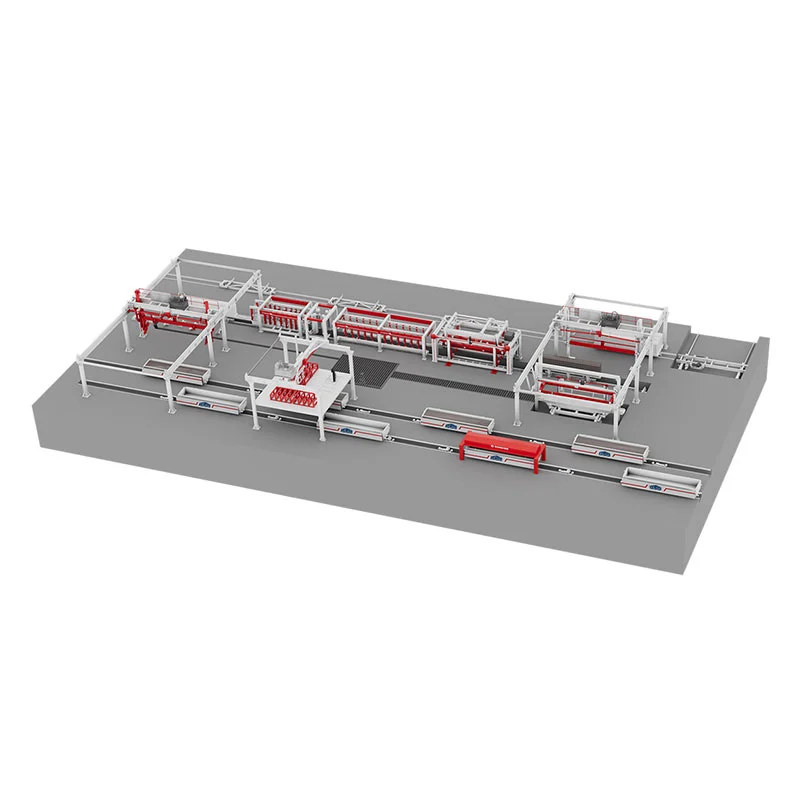
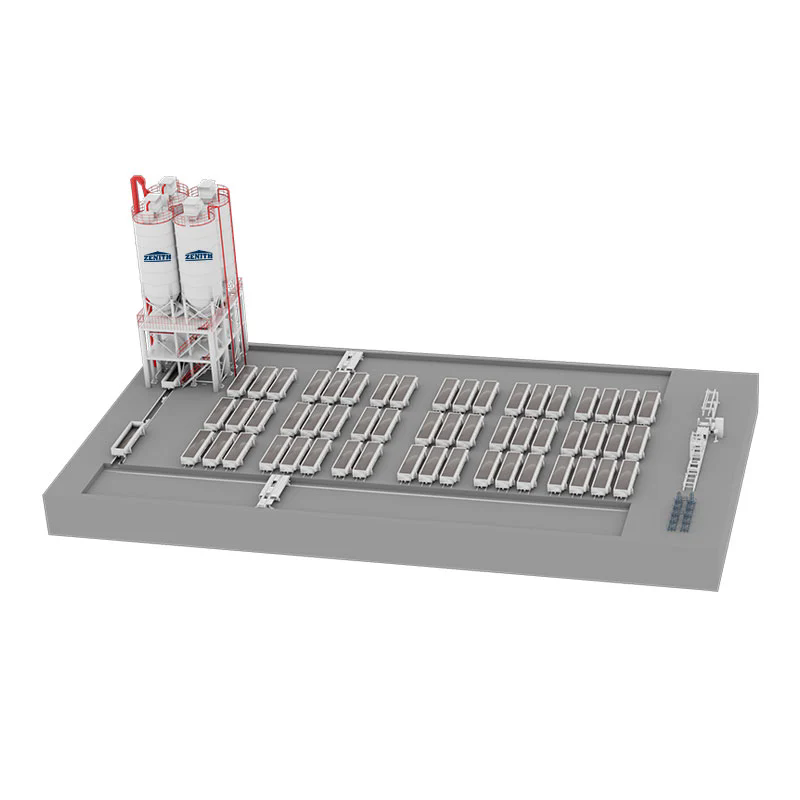
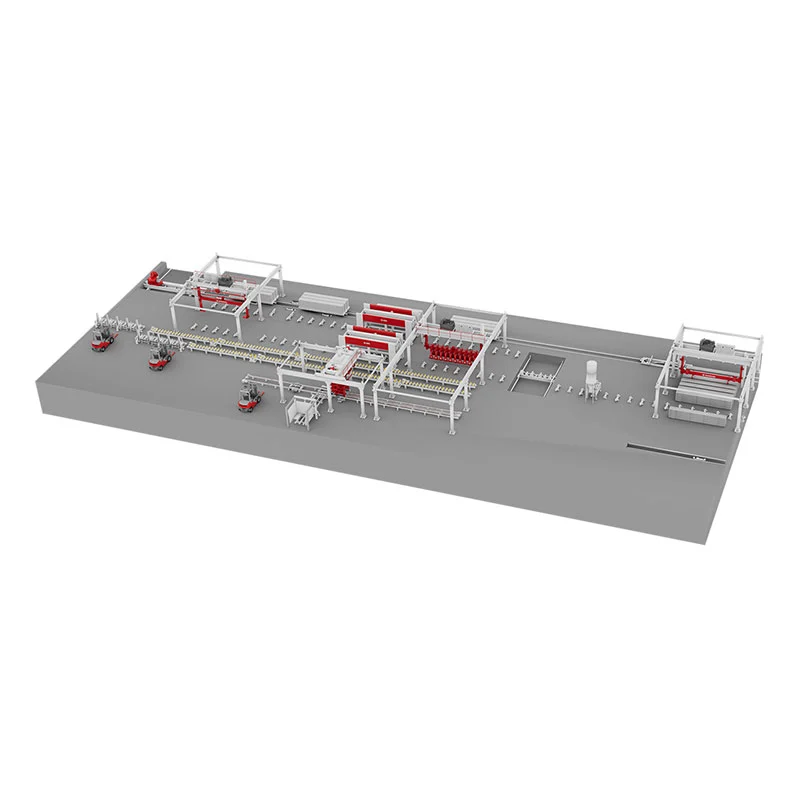
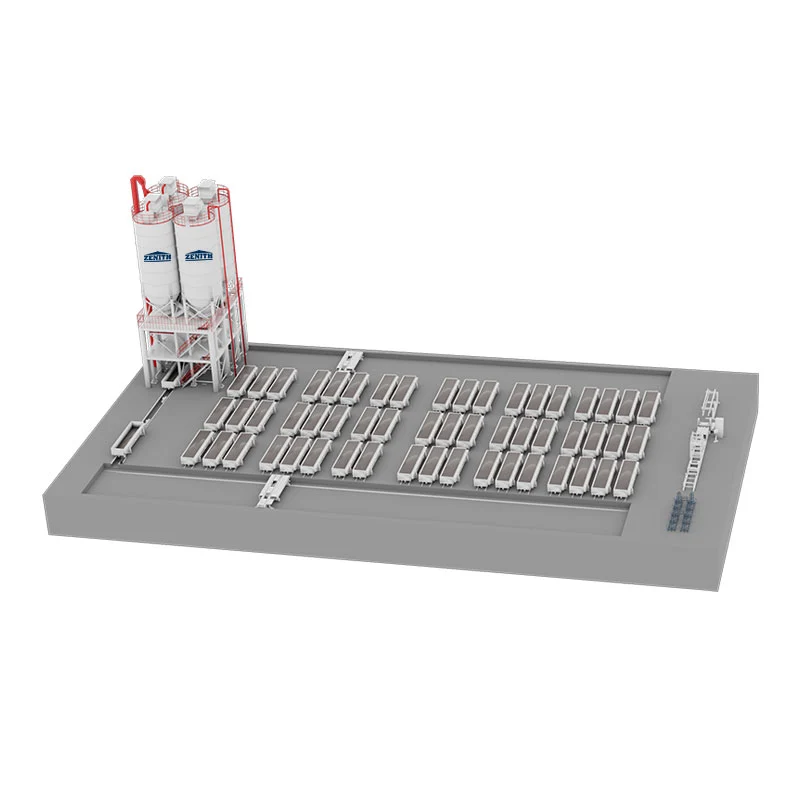
In the realm of construction material manufacturing, the demand for high-capacity AAC (Autoclaved Aerated Concrete) sheets has surged, driven by the need for lightweight, fire-resistant, and structurally sound building components. With this increased production capacity comes an increased responsibility to safeguard personnel and assets. When discussing high-capacity AAC Sheet Production Equipment, the conversation must pivot from merely output numbers to the intricate safety frameworks that govern their operation. 


We at Zenith have spent decades refining these systems, embedding safety not as an afterthought, but as a fundamental design principle. The standards implemented today are a sophisticated blend of mechanical engineering, real-time monitoring, and fail-safe protocols designed to mitigate risks inherent in high-pressure and high-temperature manufacturing environments.


Understanding these safety standards is crucial for plant managers and investors. It is the difference between a facility that merely operates and one that operates sustainably. The primary safety architecture in our equipment addresses risks such as over-pressurization in autoclaves, electrical hazards in control panels, and mechanical failures in cutting lines. We adhere to and exceed international norms such as ISO 12100 (risk assessment) and specific pressure vessel directives. 


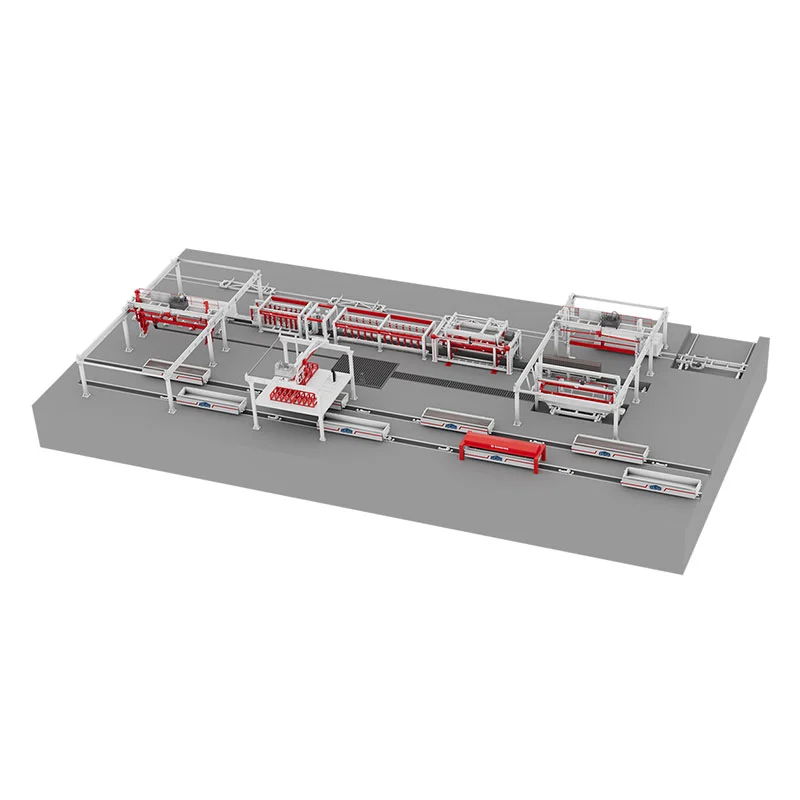
Our factory integrates these standards directly into the hydraulic and pneumatic systems, ensuring that every cycle of the AAC Sheet Production Line Equipment meets the rigorous demands of modern safety audits. This commitment not only protects your workforce but also maximizes uptime by preventing catastrophic failures, ensuring that your high-capacity goals are met with unwavering reliability.


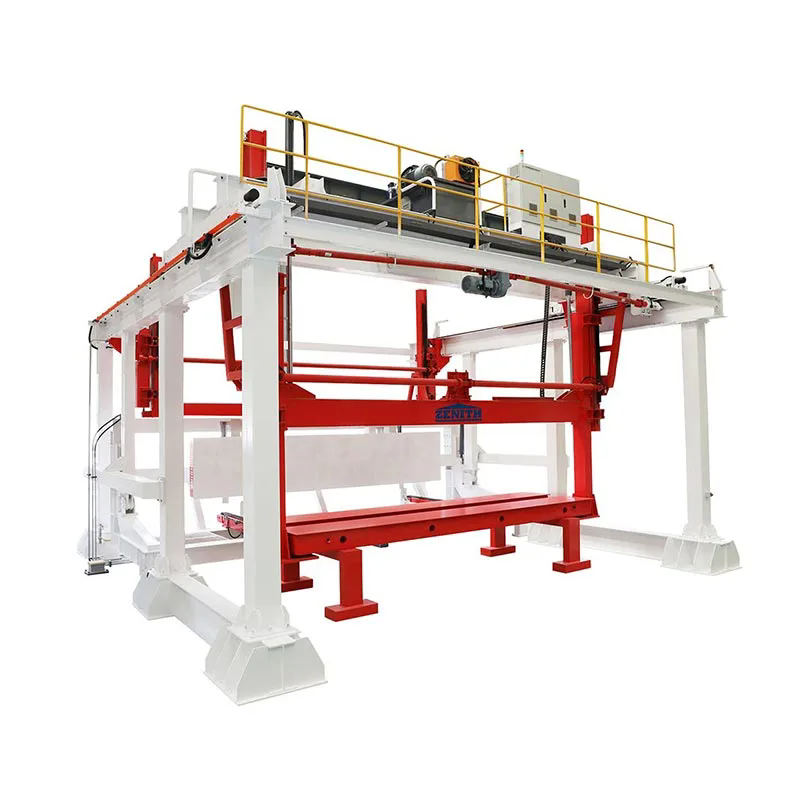
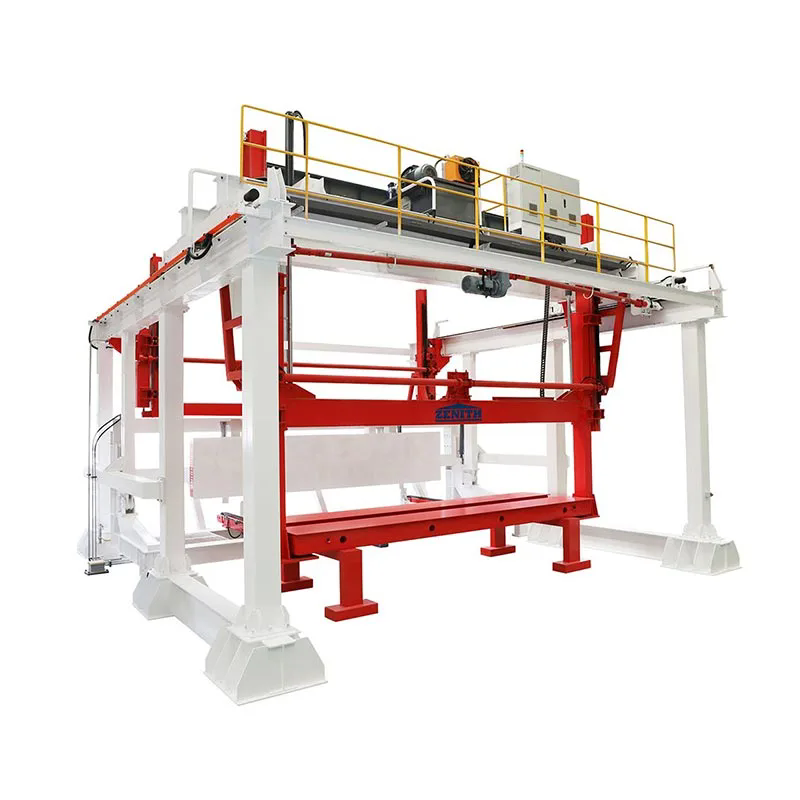
AAC Tilting Table


Content Overview


What Specific Safety Mechanisms Are Integrated Into High-Capacity AAC Cutting Lines?

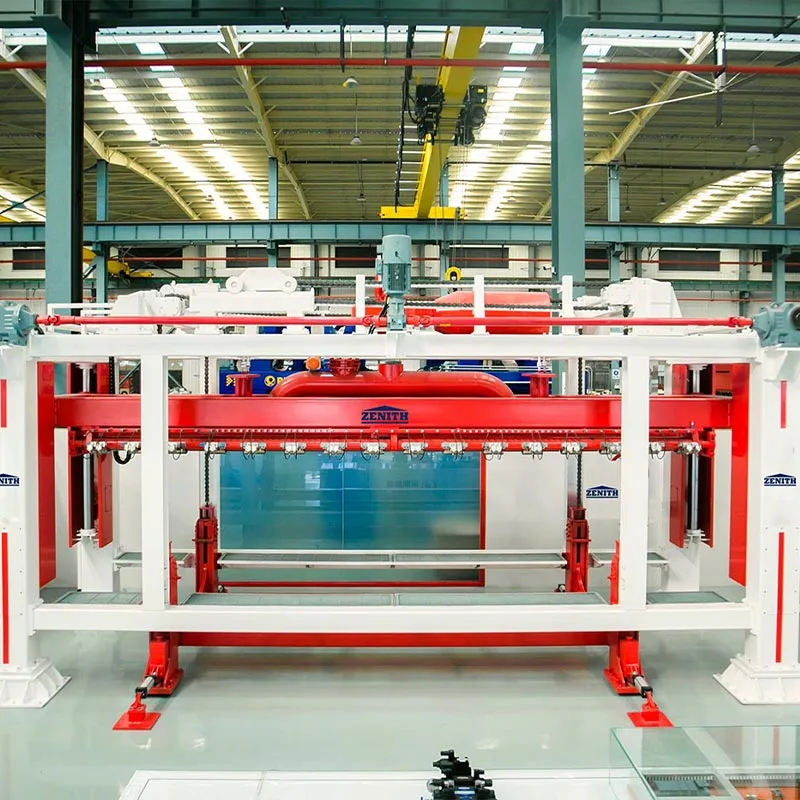
The cutting line is the heart of any AAC sheet production facility, where semi-solid concrete is precision-cut into specific dimensions. In high-capacity environments, the speed and force required for these operations introduce significant risks. Our approach to mitigating these risks involves a multi-layered safety architecture that begins with physical guarding and extends to intelligent machine logic. The primary concern is preventing human contact with moving parts such as high-tensile cutting wires, transverse cutters, and rotating brushes. 


We implement fixed guards with interlocking switches that immediately halt all motion if a panel is opened, complying strictly with machinery directive 2006/42/EC. Furthermore, the emergency stop system is designed in a "category 3" configuration according to ISO 13849, meaning that a single fault in the safety circuit will not lead to a loss of the safety function.


Beyond physical barriers, the AAC Sheet Production Line Equipment from our factory utilizes advanced sensor technology for operational safety. We integrate light curtains and laser scanners at material entry and exit points. These create an invisible safety zone; if an operator approaches during automatic mode, the machine initiates a controlled deceleration rather than an abrupt stop, preventing material damage while ensuring safety. 


The software logic also includes "muting" functions for specific non-hazardous areas during loading phases, which is a standard requirement for high-throughput systems. To give you a clearer picture of how these features are embedded into the hardware, here are the key parameters for our high-capacity cutting line safety suite:


Safety Feature Parameter / Specification Compliance Standard
Interlock Switches Electromechanical with RFID coding; min. safety integrity level (SIL) 3 ISO 14119
Emergency Stop Response Category 3, Performance Level "e" (PL e); Stop time < 200ms ISO 13849-1
Light Curtain Resolution 14 mm finger protection; height adjustable up to 1800mm IEC 61496-1/2
Cutting Wire Tension Monitor Real-time strain gauge feedback; auto-shutdown on deviation > 5% Internal Risk Assessment
Noise Emission Operator position < 75 dB(A) during cutting cycle ISO 11202


This level of detail in our safety parameters ensures that the equipment is not only productive but also predictable in its response to external stimuli. We also focus heavily on maintenance safety. High-capacity lines require frequent wire changes and cleaning. Our factory designs these machines with "safe hold" features for cutting wire reels, using mechanical brakes instead of just electrical holding, ensuring that even during a power failure, the heavy cutting frames remain stationary. This attention to mechanical redundancy is what defines a mature safety culture in equipment design, and it is a hallmark of our engineering philosophy at Zenith. By standardizing these mechanisms, we reduce the cognitive load on operators, allowing them to focus on quality control rather than worrying about latent hazards.


How Does Autoclave Design Ensure Safety Under Extreme Pressure in AAC Production?

Autoclaves are the most critical pressure vessels in the AAC sheet manufacturing process, where steam-curing at high temperatures and pressures transforms the aerated concrete into a high-strength material. The safety standards for these vessels are understandably the most stringent. 


Our autoclave design philosophy is rooted in the principles of "defense in depth." We start with material selection: we use high-quality, fine-grain steel plates certified for pressure vessel construction according to standards like ASME Section VIII or the European PED (Pressure Equipment Directive) 2014/68/EU. The welding procedures are qualified by notch impact tests, and every weld seam undergoes 100% non-destructive testing, usually radiographic or ultrasonic, to ensure absolute integrity before the vessel is ever put into service.


However, the vessel itself is only one part of the safety equation. The control and relief systems are where active safety is managed. Our AAC Sheet Production Line Equipment features a redundant safety system on every autoclave. This includes multiple, independent pressure relief valves sized to handle the full steam generation capacity, ensuring that pressure can never exceed the design limits. Additionally, we implement a "safety integrity level" (SIL) rated logic solver for the control loop. 


This means that if the primary electronic pressure controller fails, a secondary mechanical safety device (like a burst disc or a high-integrity pressure protection system) activates. The interlocks on the autoclave doors are perhaps the most visible safety feature. These are mechanically and electrically interlocked to prevent any possibility of opening the door while there is residual pressure inside. The locking ring must be fully engaged before pressurization can begin, and pressure must be verified at zero by dual sensors before the unlocking sequence is authorized.


To further illustrate the robust nature of our high-capacity autoclave systems, consider the following list of operational safety protocols embedded into the control logic:


  • Automated Ventilation Sequence: Before the door interlock is released, the system initiates a programmed venting cycle that ensures the internal temperature is below 50°C and pressure is at atmospheric levels, verified by two independent transmitters.
  • Thermal Stress Management: Our control system monitors the rate of temperature change (ΔT/Δt) to prevent thermal shock to the refractory lining and the steel shell, extending the vessel life and preventing micro-cracks.
  • Corrosion Monitoring: We incorporate connection points for ultrasonic thickness testing, allowing maintenance teams to regularly monitor for wall thinning without needing to penetrate the vessel.
  • Remote Operation: The autoclave doors are equipped with limit switches that are monitored from a central control room, removing the operator from the immediate vicinity of the door during the critical pressurization phase.
  • Steam Trap Monitoring: Continuous monitoring of steam trap performance ensures that condensate is efficiently removed, preventing water hammer—a significant mechanical shock hazard within the piping system.


At Zenith, our factory treats each autoclave as a custom project that must meet the local codes of the destination country while incorporating our global safety baseline. We understand that a failure here is catastrophic, which is why we insist on third-party inspection during manufacturing. Whether it is the German TÜV, the Chinese Special Equipment Inspection Institute, or an American Authorized Inspector, our autoclaves are built to pass the most rigorous examination. This commitment transforms the autoclave from a potential hazard into a reliable, productive asset in your high-capacity production line.


Why Are Electrical and Control System Safeguards Critical in Modern AAC Plants?

In the modern era of Industry 4.0, the electrical and control systems are the nervous system of the AAC Sheet Production Line Equipment. As we scale up to higher capacities, the electrical loads increase and the logic becomes more complex, making the integrity of these safeguards paramount. The risks here are not just electric shock; they include fire hazards due to short circuits, machine misoperation due to software glitches, and even cybersecurity threats to the production network. 


Our factory addresses these by designing control panels that meet stringent IP (Ingress Protection) ratings, typically IP54 or higher for the main panel and IP67 for remote I/O boxes in dusty environments. We use only components that comply with IEC standards, ensuring that creepage distances and clearances are sufficient for the high voltages present in the motor control centers (MCCs) that drive the pumps and cutters.


The critical nature of these safeguards becomes evident when you consider the scale of a high-capacity line. If a variable frequency drive (VFD) controlling a 200kW cutting motor fails in an uncontrolled manner, it could lead to mechanical destruction. Therefore, our safety architecture includes "Safe Torque Off" (STO) functionality integrated into the drives themselves. 


This is a SIL-rated electronic signal that removes rotational power from the motor independently of the main controller. It is a hardwired safety function that prevents unexpected startups during maintenance. Furthermore, the entire electrical distribution system is protected by arc flash detection and mitigation systems in the main switchgear. We use digital protection relays that not only trip on overcurrent but also analyze the waveform to distinguish between a harmless inrush current and a dangerous arcing fault, tripping in milliseconds to contain the blast energy.


To manage this complexity, we have standardized our control system architecture around a fail-safe PLC (Programmable Logic Controller). Here is a list of how we implement these electrical safeguards in our AAC Sheet Production Line Equipment:

  • Redundant Power Supplies: Critical safety sensors and the PLC itself are powered by redundant 24V DC power supplies with battery backups, ensuring safety functions remain active even during a main power sag.
  • Functional Grounding and Bonding: We implement a star-point grounding system with low impedance (less than 1 ohm) to prevent ground loops and ensure that fault currents have a safe path to earth, triggering protection devices instantly.
  • Thermal Imaging Integration: For high-power cabinets, we offer integrated thermal monitoring that tracks the temperature of busbars and main breakers, predicting failures before they happen.
  • EMC Compliance: All cabinets are designed for electromagnetic compatibility, shielding sensitive control signals from the interference generated by high-power VFDs, preventing random "ghost" signals that could cause misoperation.
  • Safety Matrix Logic: The safety program is separate from the standard automation code. It uses a "hardened" safety PLC that checks its own logic cyclically. For example, the command to "open autoclave door" is only executed if the matrix conditions for "pressure low" and "door interlock released" are met in the safety CPU.


This dedication to electrical safety means that when you operate our equipment, you are not just relying on fuses. You have a sophisticated diagnostic system that communicates the health of every motor and sensor. We, at Zenith, believe that an intelligent plant is a safe plant. By integrating these safeguards, we ensure that your production targets are met without compromising the well-being of your electrical infrastructure or your team. The result is a production line that delivers high output with the highest possible uptime, driven by a control system that is as safe as it is smart.


Final Insights on Safety and Performance

In conclusion, the question of what safety standards are implemented in high-capacity AAC Sheet Production Equipment is answered through a comprehensive look at mechanical, pressure, and electrical system design. The industry has moved beyond basic compliance to a holistic approach where safety is embedded in the machinery's DNA. From the interlocked guards on the cutting line to the SIL-rated logic of the autoclave controls and the arc-resistant switchgear, every component plays a role in protecting your most valuable assets: your people and your production uptime. These standards, including ISO 13849, PED, and ASME, are not just benchmarks but the foundation upon which reliable, high-output manufacturing is built.


If you are looking to upgrade your facility or invest in a new line that prioritizes safety without compromising on capacity, look no further. Our factory, Zenith, has the expertise to deliver AAC Sheet Production Line Equipment that meets the most demanding international safety standards. We invite you to contact our team today to discuss your specific requirements and see how our engineered solutions can provide you with peace of mind and a competitive edge. Let us build a safer, more productive future together.


Frequently Asked Questions on AAC Equipment Safety

Q1: What is the primary international standard governing the safety of pressure systems in AAC autoclaves?

The primary standards vary by region, but the most widely recognized are the ASME Boiler and Pressure Vessel Code (Section VIII) in North America and the Pressure Equipment Directive (PED) 2014/68/EU in Europe. For high-capacity AAC Sheet Production Line Equipment, compliance with these is non-negotiable. These standards dictate the materials, design formulas, manufacturing processes, and testing procedures. For instance, ASME requires a documented "User's Design Specification" and "Manufacturer's Data Report" stamped by a certified inspector. PED requires a conformity assessment module based on the hazard category, often involving a "Notified Body" for high-pressure vessels. Our factory at Zenith builds all autoclaves to meet or exceed these benchmarks, ensuring global operability and safety.


Q2: How often should the safety interlocks on AAC cutting lines be tested?

The frequency of testing is typically defined by a risk assessment following ISO 14121 or similar standards. However, for high-capacity equipment, we recommend a dual-layered approach. Firstly, a functional check of all interlock switches and light curtains should be performed daily by the operator using a specific key or test rod before production begins. This ensures the safety function hasn't been damaged overnight. Secondly, a more comprehensive validation, including timing tests to ensure stopping performance (as per ISO 13849), should be conducted quarterly by a qualified electrician or safety officer. This involves measuring actual stopping distances and times to verify they haven't degraded due to mechanical wear, a critical factor we design for in our AAC Sheet Production Line Equipment.


Q3: Can safety features be retrofitted to older AAC production lines?

Yes, in many cases, modern safety features can be retrofitted, although the complexity varies. For mechanical hazards, adding interlocked guards and light curtains is often feasible. For pressure systems, retrofitting advanced control logic or redundant relief valves is possible but requires a thorough re-validation of the vessel design. The biggest challenge is often the control system architecture. Older machines may lack the ability to integrate with modern safety PLCs. In such cases, a partial or full control system upgrade is necessary. At our factory, we offer modernization packages for AAC Sheet Production Line Equipment that update the electrical safety circuits to meet current PL and SIL levels, significantly reducing risk even on legacy systems.


Q4: What role does software play in ensuring the safety of high-capacity AAC equipment?

Software plays an increasingly critical role, moving beyond simple logic to complex safety functions. In modern AAC Sheet Production Line Equipment, software is responsible for "safe speed monitoring," ensuring that axes don't exceed their defined safe limits. It manages the "muting" and "blanking" of safety sensors during automatic material loading to prevent unnecessary stops. Crucially, safety software, running on dedicated safety PLCs, is developed according to standards like IEC 61508 or ISO 13849 which mandate rigorous testing and validation (V-model). This software is separate from the standard control code; it continuously self-diagnostics and forces a safe state if any inconsistency is detected, such as a memory error or a timing fault, ensuring that even a software glitch cannot lead to a hazardous situation.


Q5: Why is thermal stress management considered a safety feature in AAC autoclaves?

Thermal stress management is vital because rapid temperature changes can create significant stress gradients within the thick steel walls of an autoclave. If the steam is introduced too quickly into a cold vessel, the inner wall expands faster than the outer wall, creating compressive stresses that can lead to material fatigue or even local yielding over time. Conversely, rapid cooling can create tensile stresses that open micro-cracks. These fatigue cycles are a hidden long-term safety risk. Our high-capacity AAC Sheet Production Line Equipment includes software-based controls that regulate the rate of temperature increase (typically not exceeding 0.5°C per minute during initial heating) and decrease. This "controlled ramping" protects the metallurgical integrity of the vessel, preventing premature failure and ensuring the safety of the equipment over its entire 20-30 year lifespan.

Related News
Leave me a message
X
We use cookies to offer you a better browsing experience, analyze site traffic and personalize content. By using this site, you agree to our use of cookies. Privacy Policy
RejectAccept