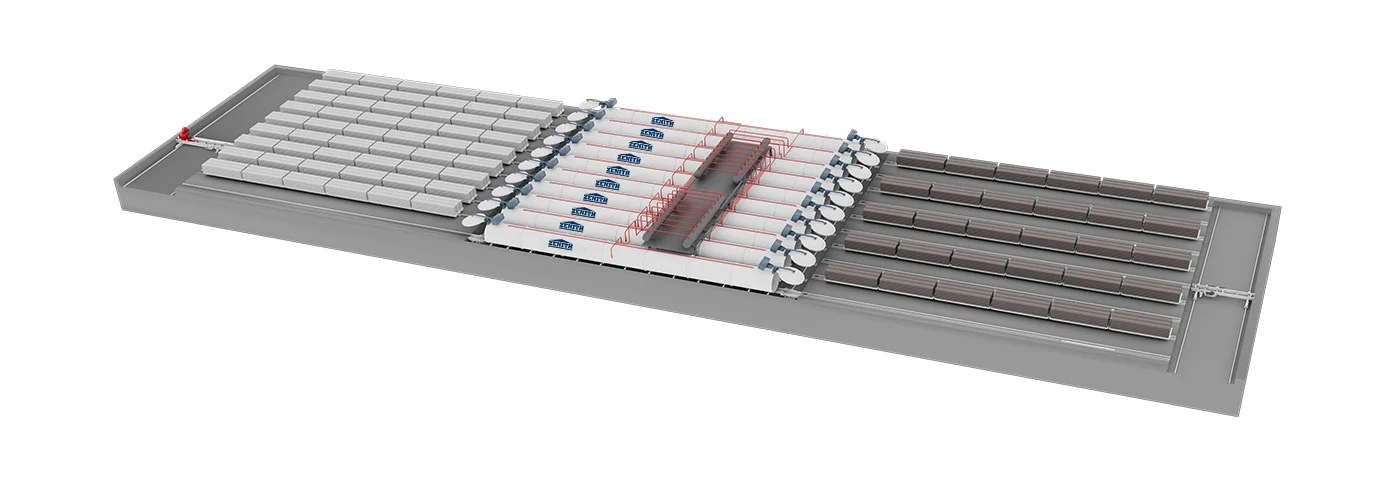
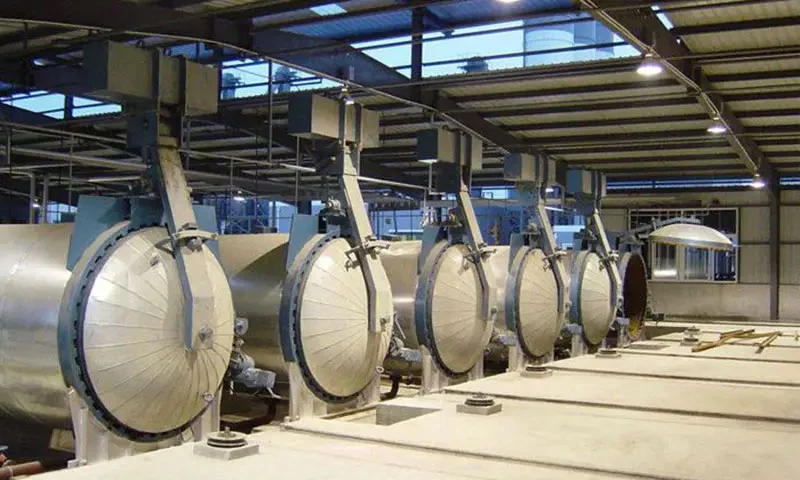
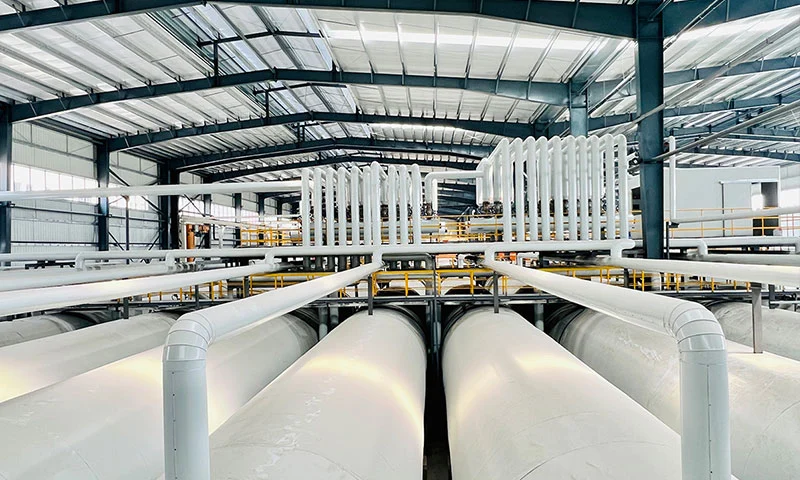
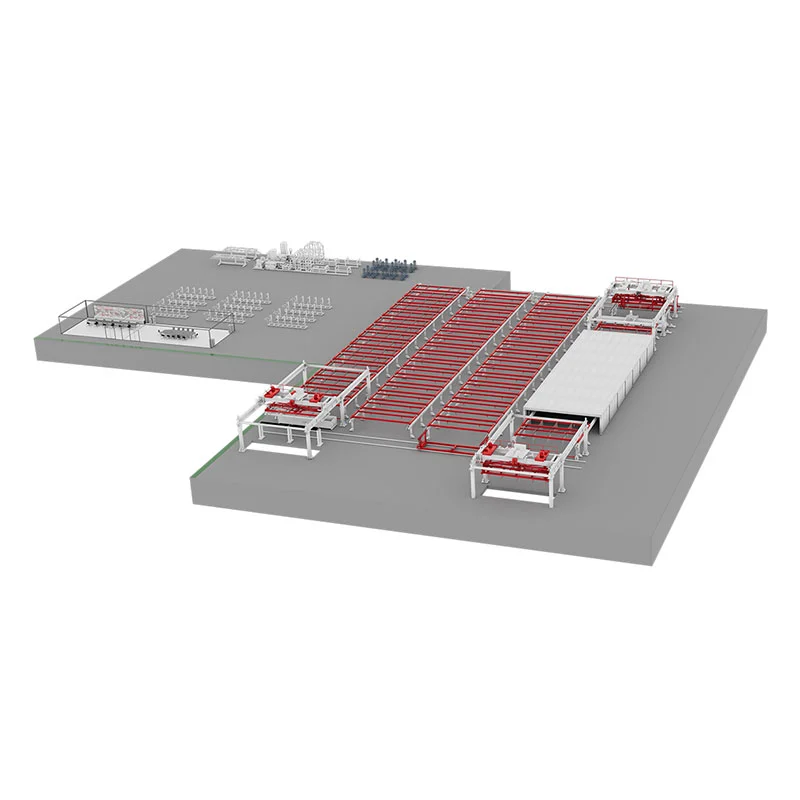
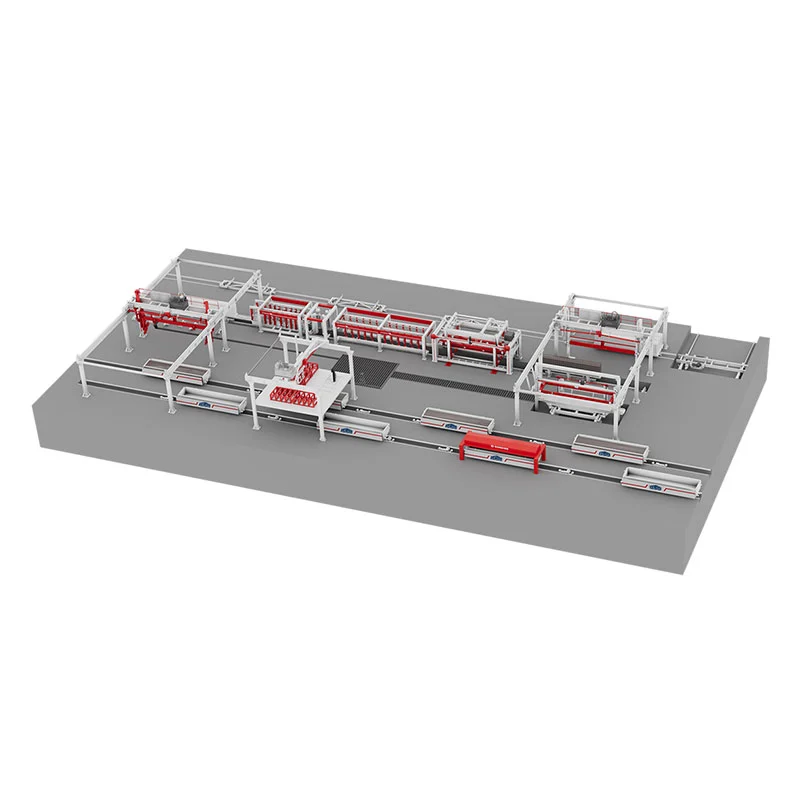
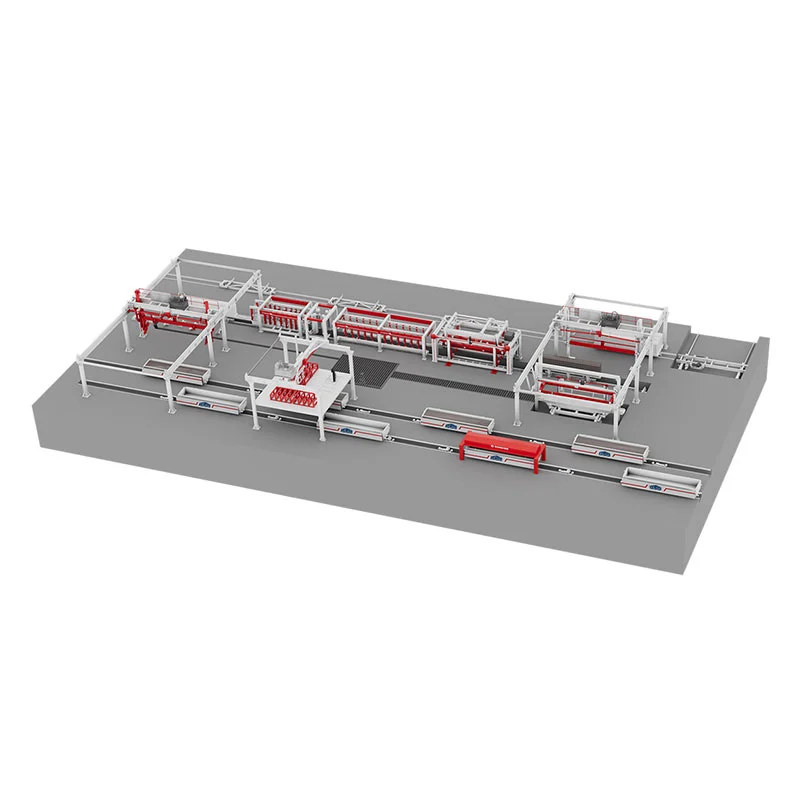
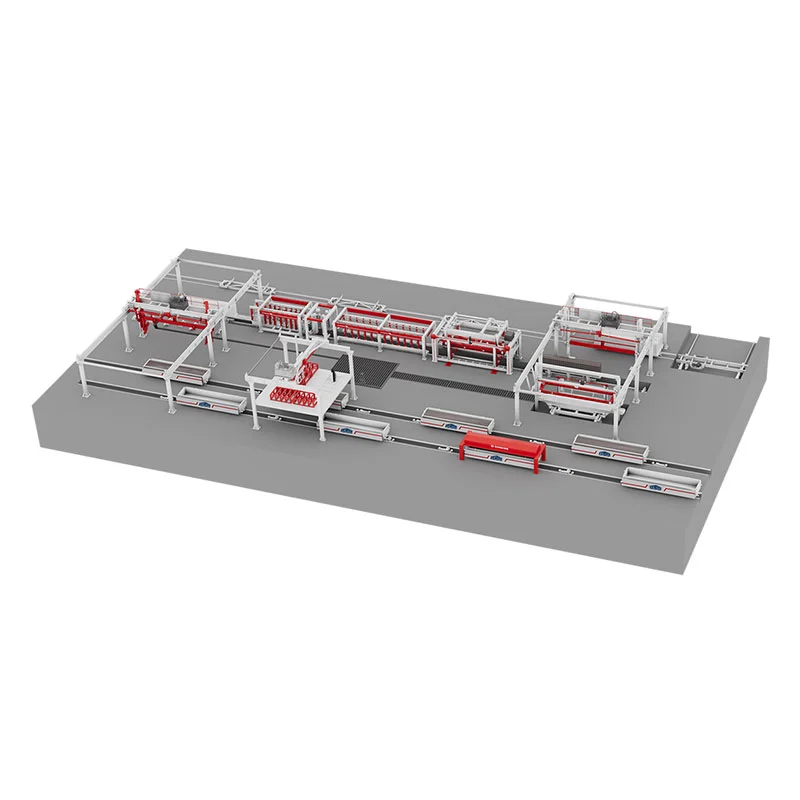
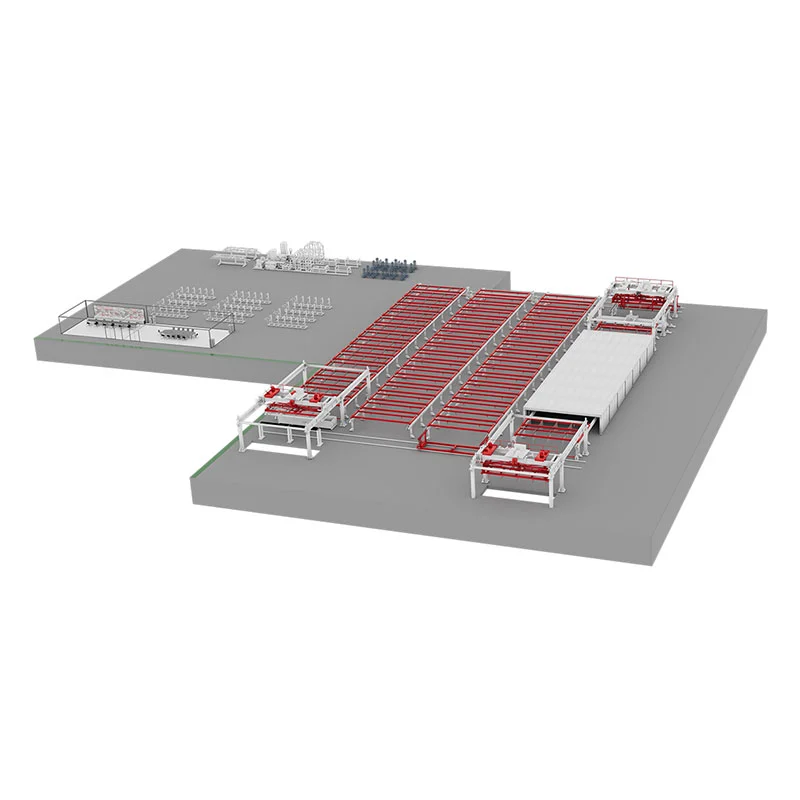
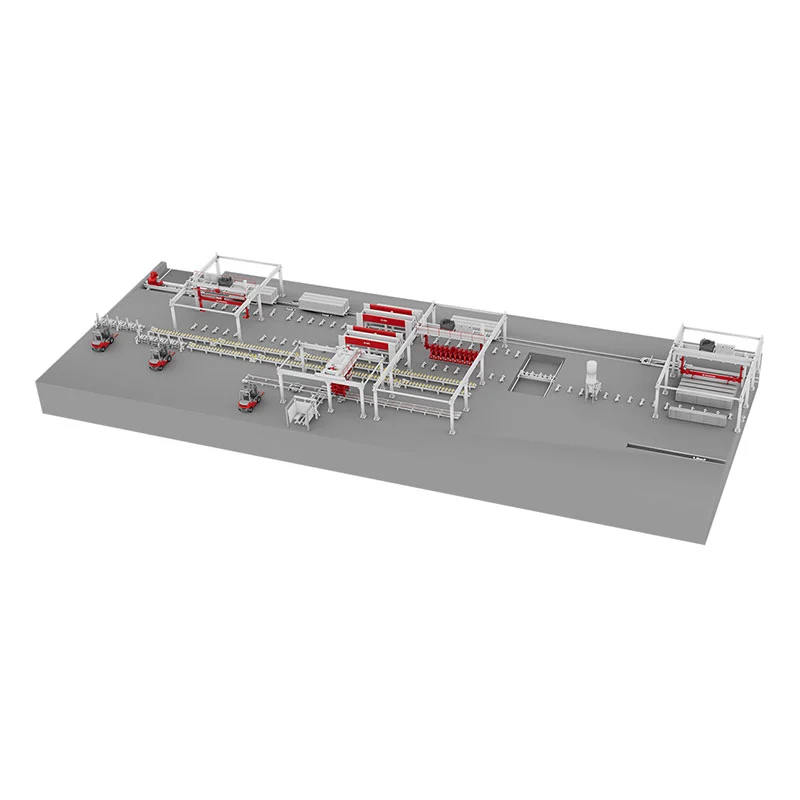
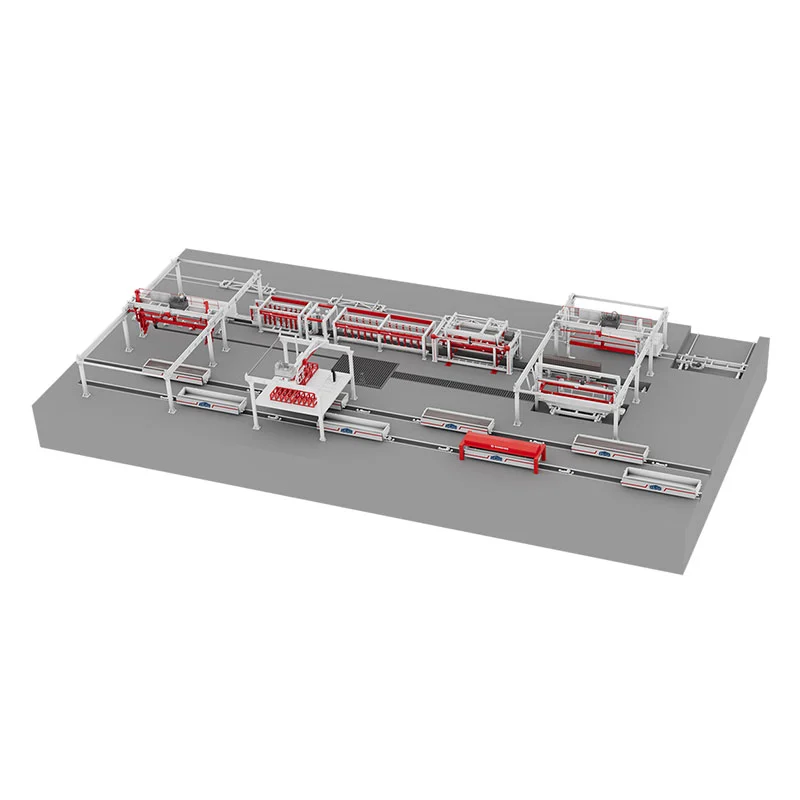
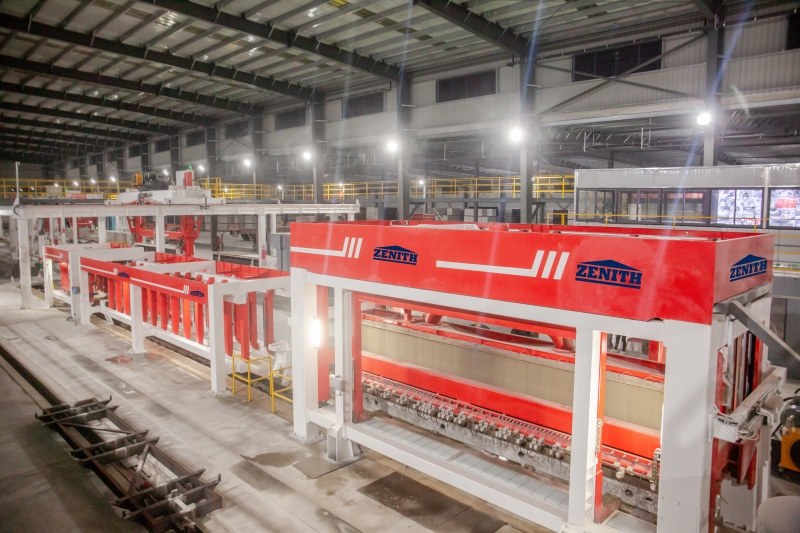
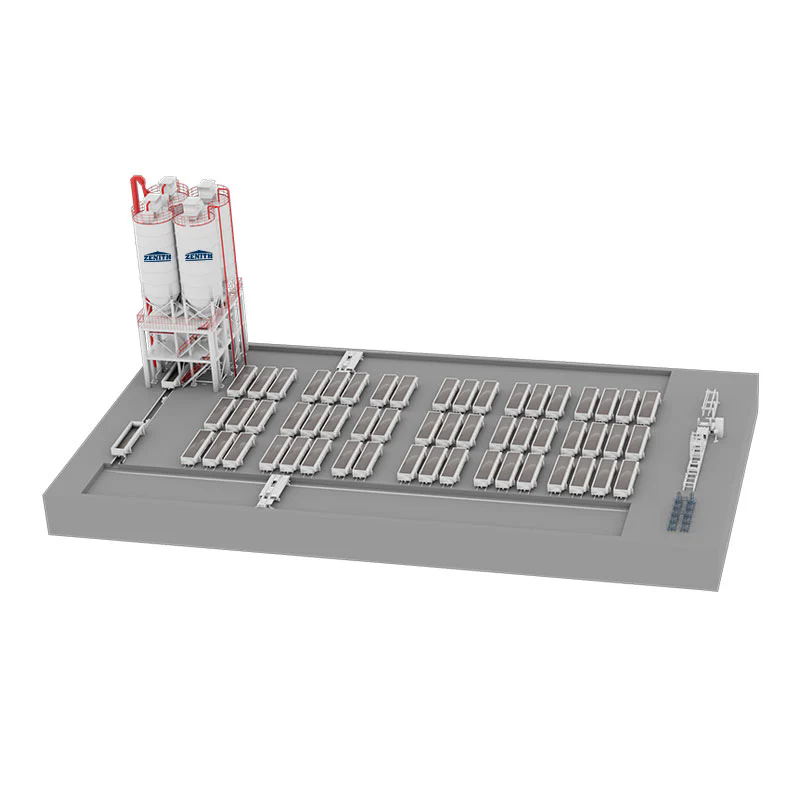
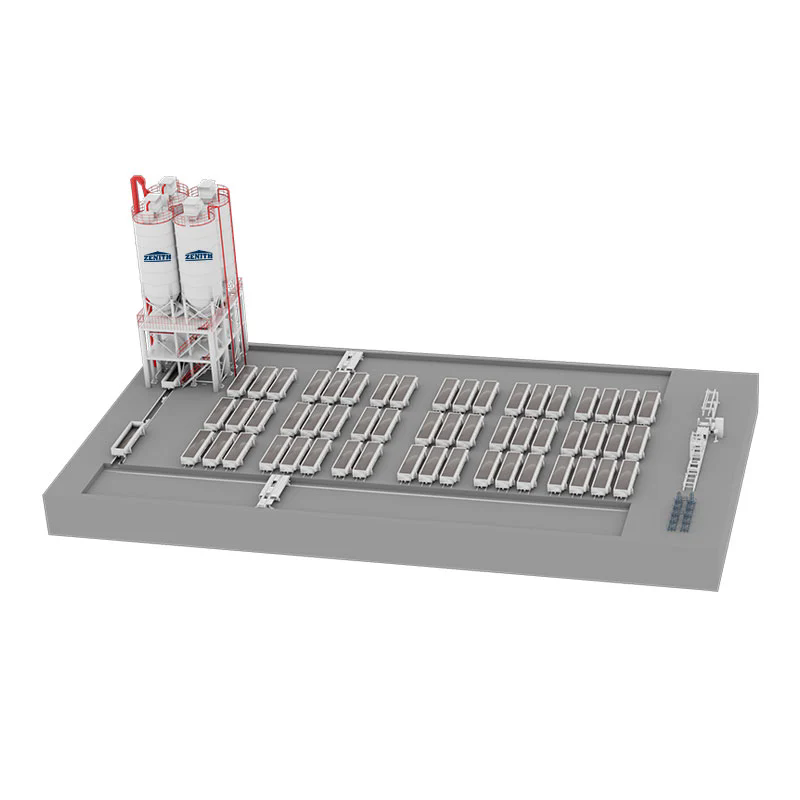
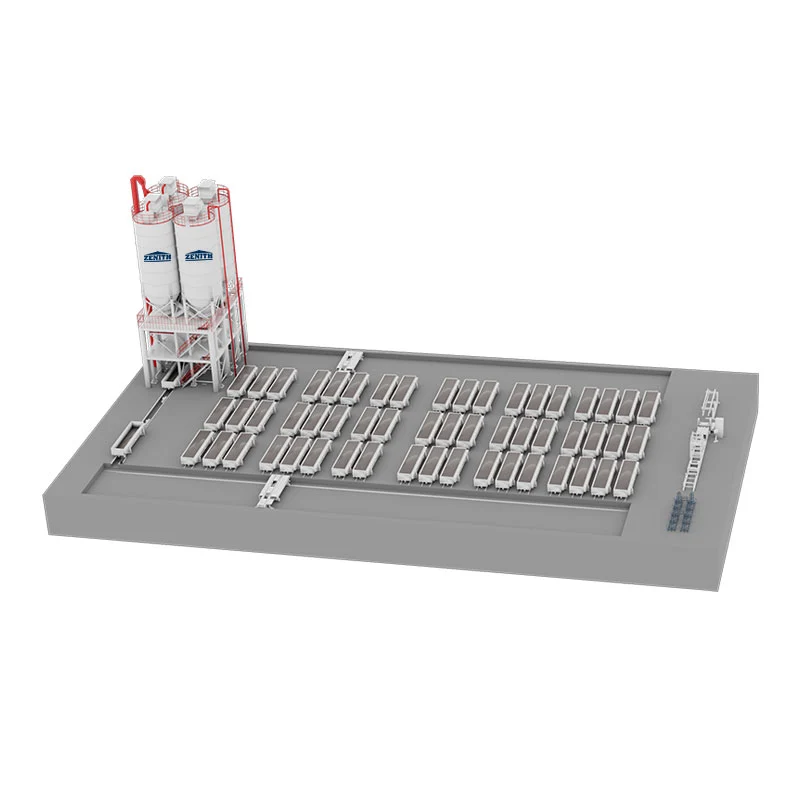
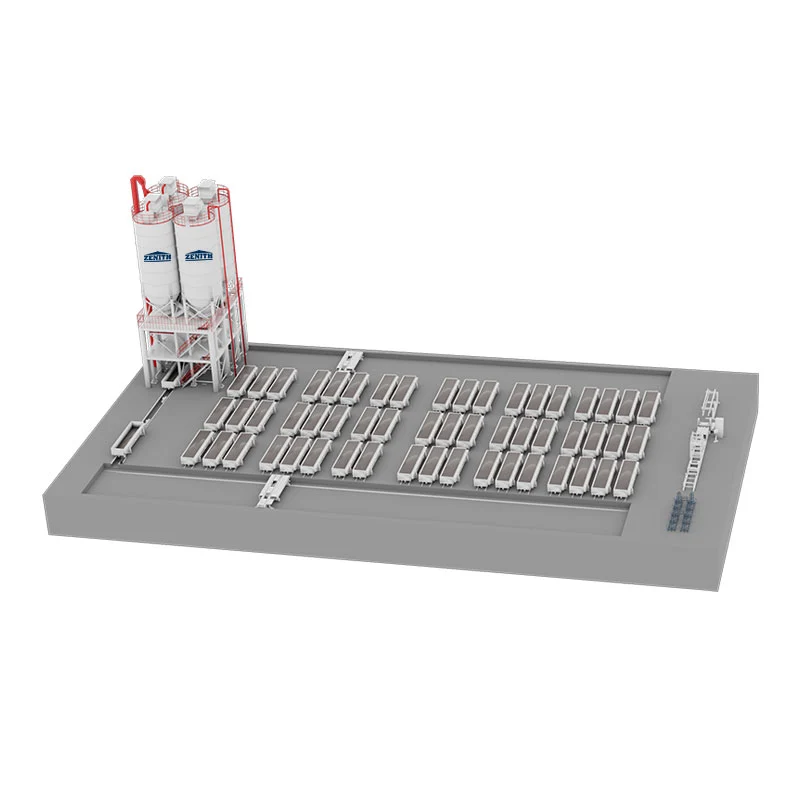
You can confidently choose ZENITH's Aerated Autoclaved Concrete Brick Machine. We have many years of experience and can customize equipment to meet your production needs. A complete set of equipment includes a crusher, ball mill, mixer, cutter, and autoclave, capable of completing the entire AAC block production process.
To produce aerated concrete blocks, contact us to configure an Aerated Autoclaved Concrete Brick Machine tailored to your requirements. The AAC block production process includes several stages: raw material preparation, mixing, molding, steam curing, and cutting. With our professional equipment, the raw materials, including cement, lime, fine sand, foaming agent, and water, are made into finished products. The general process involves first mixing cement, lime, and fine sand in a specific ratio to form a dry powder. Then, appropriate amounts of water and foaming agent are added and stirred until a slurry is formed. Aerated concrete blocks can effectively replace traditional building materials as infill walls in high-rise buildings and load-bearing walls in low-rise buildings.
Equipment Advantages
1. Environmentally Friendly and Waste-Utilizing: This equipment can utilize various industrial waste residues such as fly ash, slag, sand, and tailings as raw materials. The production process is pollution-free, complies with environmental policies, and effectively achieves resource recycling.
2. Low Production Costs: Primarily relying on local waste resources, it significantly reduces raw material costs and increases the return on investment.
3. Relatively Simple Production Process: Compared to the non-autoclaved process, it eliminates complex steps such as ball milling and chemical foaming, resulting in a lower equipment investment threshold.
Finished Product Advantages
Autoclaved aerated concrete (AAC) blocks produced by autoclaved aerated concrete (AAC) brick machines are a high-performance new type of building material widely used in various types of buildings:
1. Building Walls: Due to their light weight (only 1/4-1/5 that of clay bricks), they can effectively reduce the building's self-weight by 20%-30% and improve the building's seismic resistance by more than two levels.
2. Thermal Insulation: Their thermal conductivity is 1/6 that of ordinary concrete, and their thermal insulation performance is 3-4 times that of clay bricks, significantly reducing building energy consumption and making them suitable for buildings with high insulation requirements.
3. Convenient Construction: The blocks can be sawed, planed, drilled, and nailed, offering good processing performance. Their large size allows for fast construction, reducing labor intensity and construction costs.
Customer proximity is one of our strengths. Whenever you need us, you can rely on us. We do everything we can to be available for you worldwide and to be able to react as quickly as possible when it matters.
By sending the contact form, you agree that your data may be used to process your request (further information and revocation notices can be found in the data protection declaration).
We use cookies to offer you a better browsing experience, analyze site traffic and personalize content. By using this site, you agree to our use of cookies. Privacy Policy