What Is an AAC Block Separator? | Comprehensive Guide
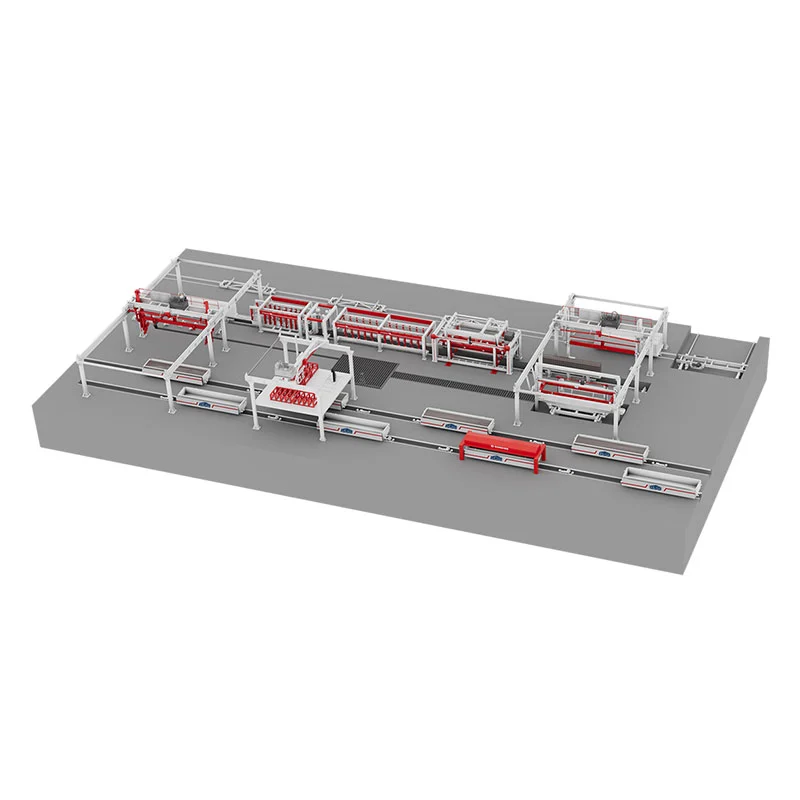
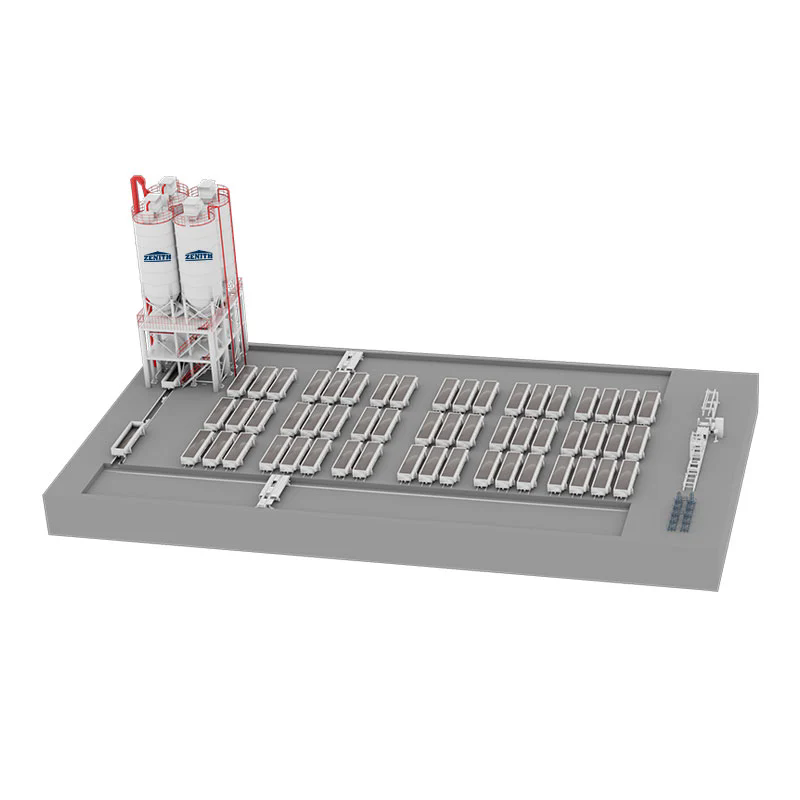
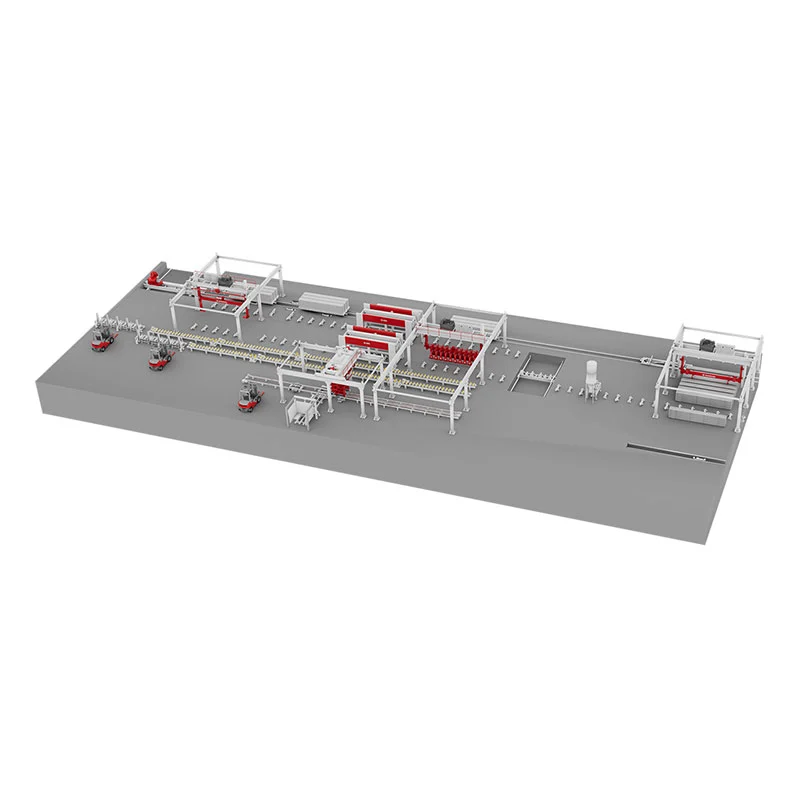
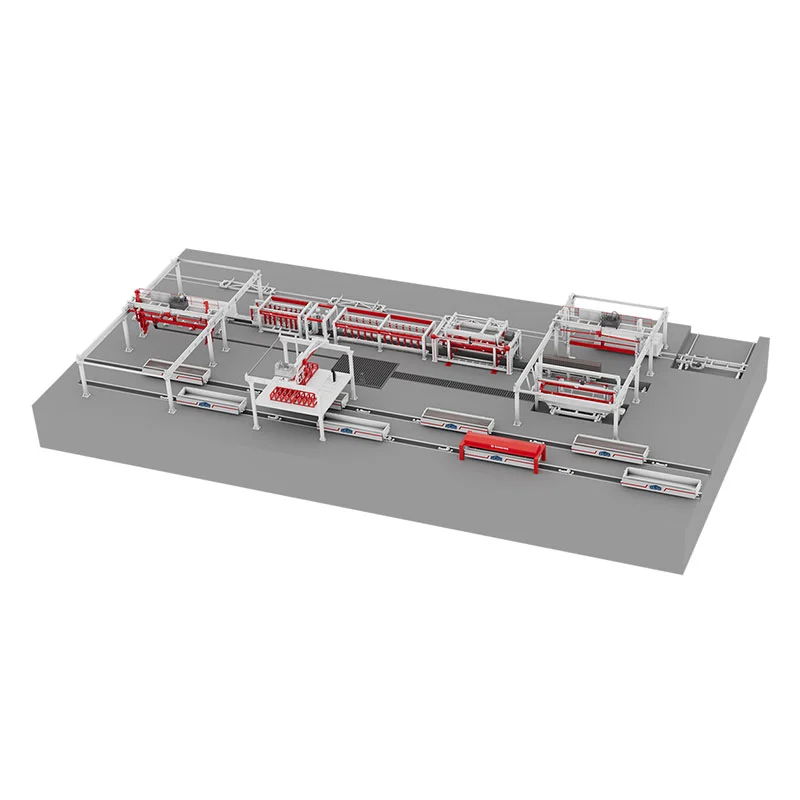
This deep‑dive article explores the functionality, importance, and operational aspects of an AAC Block Separator—a key machine in the Autoclaved Aerated Concrete (AAC) production line. Covering industry terminology, how it fits into the production process, and practical advantages in manufacturing, this guide is designed for engineers, plant managers, or anyone researching AAC plant machinery. AAC blocks are lightweight, insulating building materials widely used globally in construction. The AAC Block Separator plays a crucial role after autoclaving to ensure quality and efficiency.
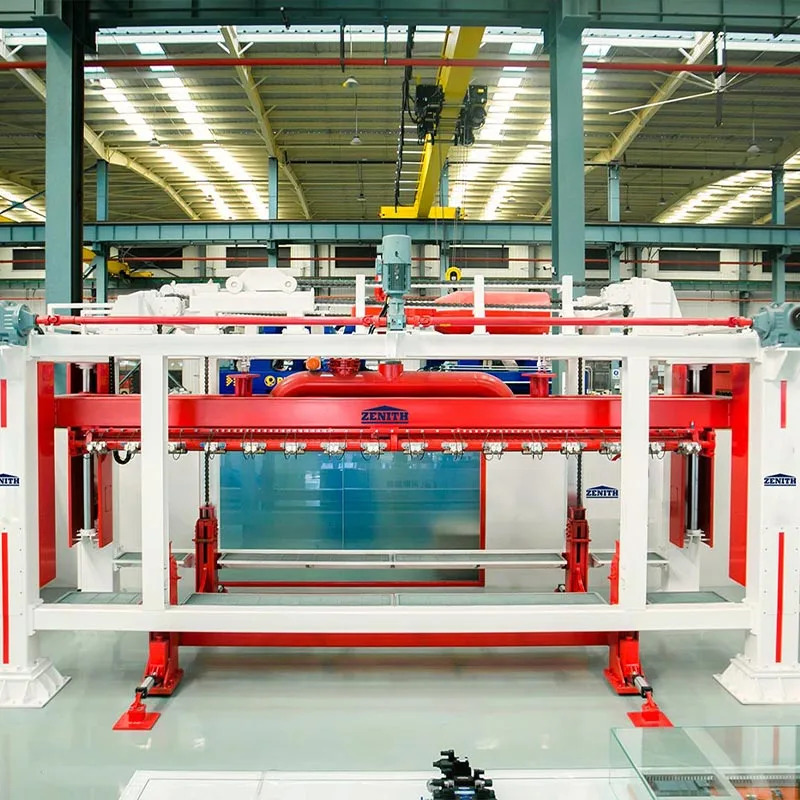
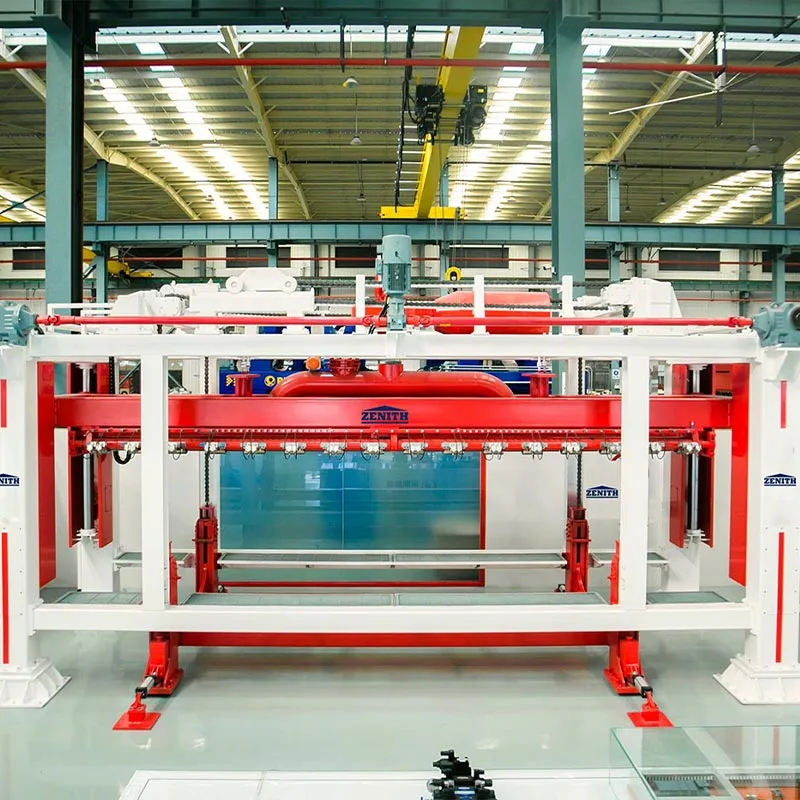
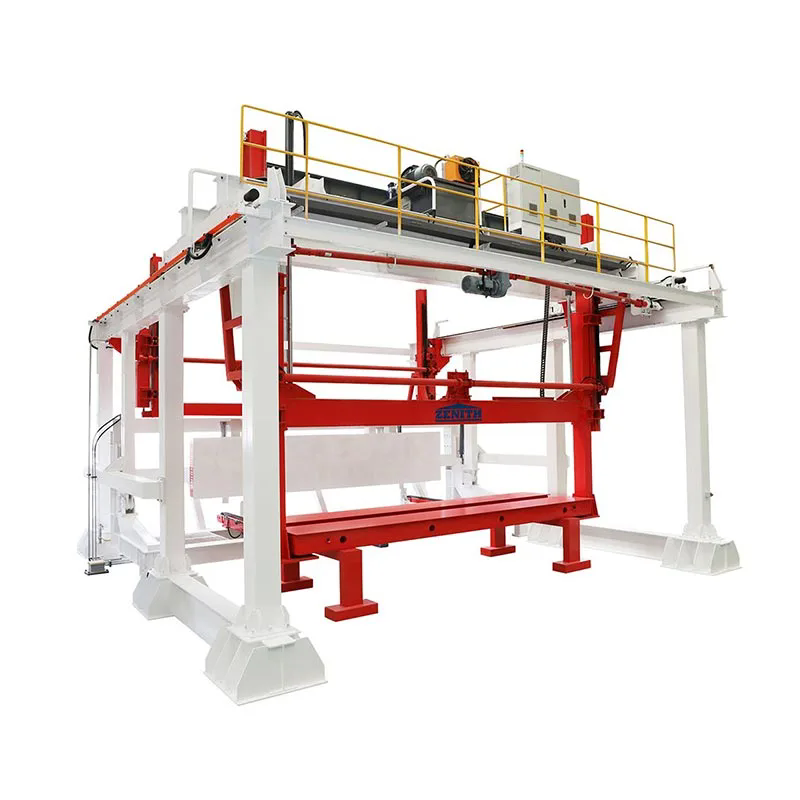
An AAC Block Separator is a specialized mechanical device used in the production line of autoclaved aerated concrete. It is deployed after blocks or panels exit the autoclave to mechanically separate pieces that stick together because of the curing process’ high temperature and pressure. This ensures that each block or panel is free, uniform, and ready for subsequent steps like packaging or quality inspection.
Why Do AAC Blocks Need Separation?
During autoclaving in AAC production, the steam curing process can cause blocks to adhere to each other due to residual viscosity and surface tension. If not properly separated, this can lead to defects, inconsistent sizing, and increased labor costs. Manual separation is impractical for high‑volume operations, making a machine essential for efficient manufacturing.
How Does an AAC Block Separator Work?
A separator typically uses hydraulically controlled clamps and lifting mechanisms to apply regulated force that gently but reliably detaches adhered blocks. Operators can set clamping force, lifting height, and operational speed based on production requirements. Modern units may support both automatic and manual modes for flexibility in handling diverse production scenarios.
Which Components Make Up the Separator?
Frame and Beams: Structural steel beams form the skeleton of the separator.
Clamping Plates: Designed to grip and pull apart blocks uniformly.
Hydraulic Power Unit: Supplies the force and control for lifting and separating.
Control System: Enables adjustments for force, stroke, and speed.
These parts work in harmony to ensure stable and repeatable performance in industrial settings.
What Are the Key Benefits of Using a Block Separator?
Benefit
Description
Improved Efficiency
Reduces downtime and labor compared to manual separation.
Consistent Quality
Ensures uniform and defect‑free blocks ready for packing.
Adjustable Control
Hydraulic controls allow customization for various production rates.
Multiple Modes
Supports both automatic and manual operations for flexibility.
These advantages contribute directly to productivity and product quality in AAC manufacturing plants.
Frequently Asked Questions
Q: What exactly is an AAC Block Separator?
A: It is a machine used in the AAC production line to separate aerated concrete blocks or panels after autoclaving, ensuring they do not stick together and are uniformly ready for packaging and further processing.
Q: Why is separation necessary in AAC block production?
A: Separation removes sticking between blocks caused by steam curing in the autoclave. Without it, blocks may remain stuck and lead to waste, inconsistent quality, or slower production.
Q: How does hydraulic control benefit the separator?
A: Hydraulic control allows precise regulation of force and movement, resulting in gentle yet reliable separation and adaptability across various block sizes and plant requirements.
Q: Which industries use AAC Block Separators?
A: Primarily construction material manufacturers focused on autoclaved aerated concrete blocks and panels used in residential, commercial, and industrial construction globally.
Q: Are there well‑known manufacturers of AAC block machinery?
A: Yes—companies like ZENITH Maschinenfabrik GmbH, a German block machine manufacturer with decades of experience, are recognized for delivering high‑quality block production solutions.
We use cookies to offer you a better browsing experience, analyze site traffic and personalize content. By using this site, you agree to our use of cookies. Privacy Policy