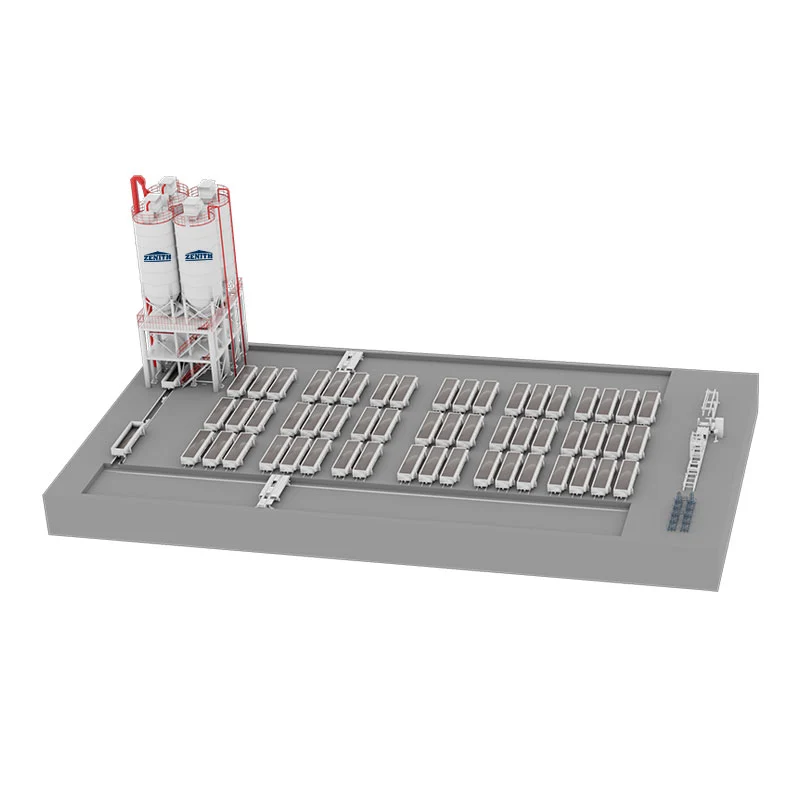
We are glad to share with you about the results of our work, company news, and give you timely developments and personnel appointment and removal conditions.
The demand for lightweight, energy-efficient, and cost-effective building materials is rapidly increasing worldwide. A Lightweight Concrete Block Machine provides an advanced solution for manufacturers who need to produce high-quality lightweight concrete blocks with lower material consumption, improved productivity, and consistent performance. This article explains how these machines work, their advantages, key selection factors, production process, and how they help construction material suppliers overcome common manufacturing challenges.
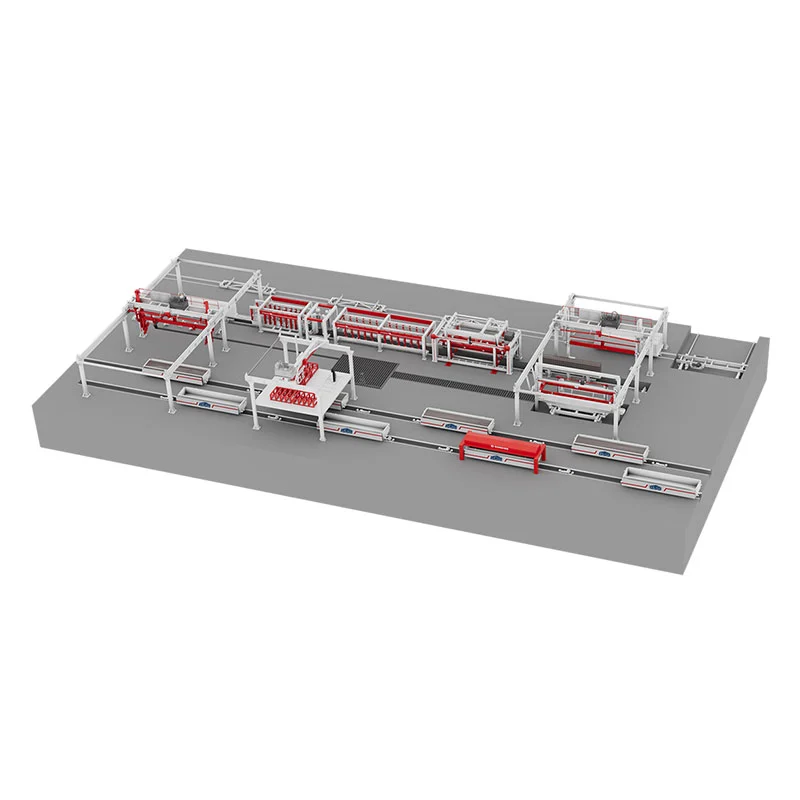
The AAC Cement Brick Making Machine has become a cornerstone of modern construction manufacturing, enabling the production of lightweight, energy-efficient, and highly durable building blocks. This article explores the complete working system, core advantages, production process, cost structure, maintenance strategies, and real-world applications of AAC (Autoclaved Aerated Concrete) technology. It is designed to help manufacturers, investors, and construction professionals understand how this equipment improves productivity, reduces operational costs, and supports sustainable building practices.
An AAC Panel Machine is a highly specialized production system designed to manufacture Autoclaved Aerated Concrete (AAC) panels, which are widely used in modern construction for their lightweight structure, thermal insulation, fire resistance, and eco-friendly properties. As the construction industry continues to shift toward energy-efficient and sustainable materials, AAC panel production technology has become a critical asset for manufacturers seeking scalability, consistency, and cost efficiency.
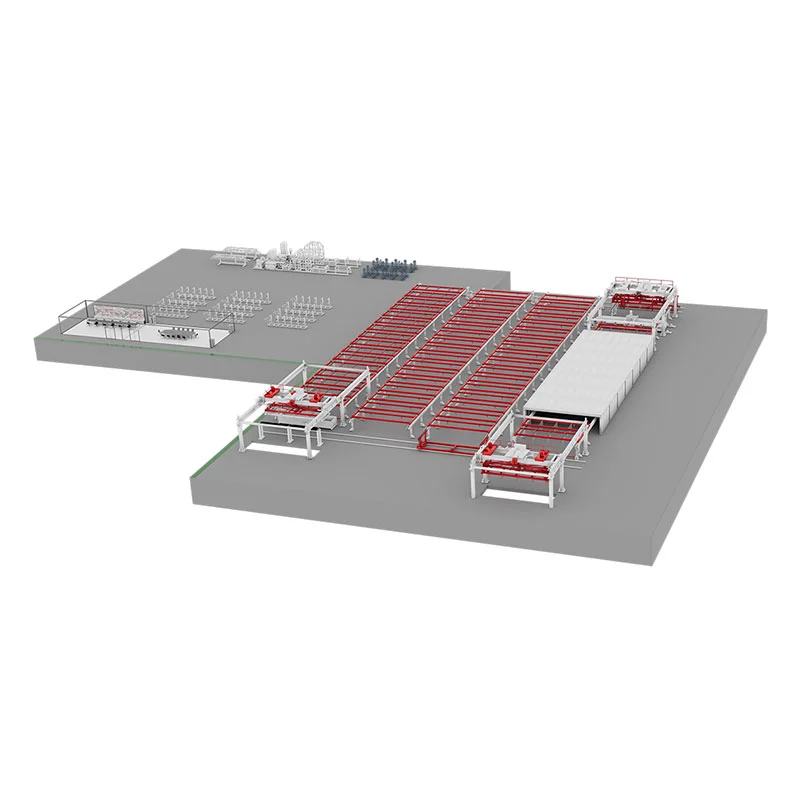
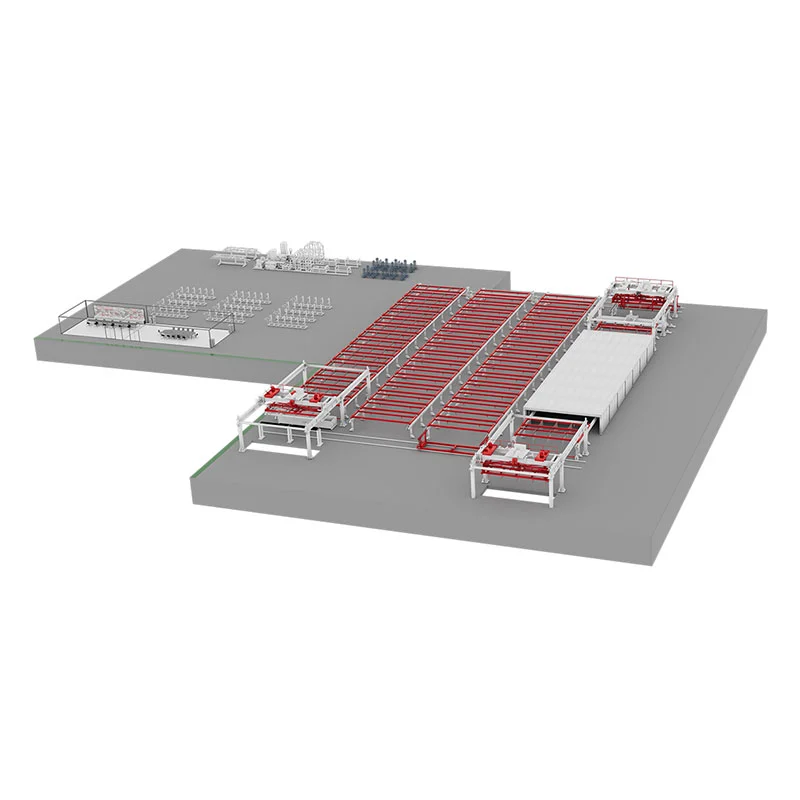
The global construction industry is rapidly shifting toward lightweight, energy-efficient, and sustainable building materials. Among these innovations, Autoclaved Aerated Concrete (AAC) panels have become a preferred solution for residential, commercial, industrial, and infrastructure projects. Behind every high-quality AAC panel lies an advanced AAC Panel Plant capable of delivering consistent production, precise quality control, and scalable manufacturing capacity.
Learn how AAC Sheet Production Line Equipment from Zenith balances lower operating costs with higher returns. Detailed parameters, expert analysis, and ROI-driven insights for modern block plants.
In the modern construction materials industry, efficiency, precision, and safety are no longer optional—they are fundamental requirements. Among the many innovations that have reshaped production lines, the AAC tilting table stands out as a critical piece of equipment that directly impacts product quality and operational workflow. For manufacturers of autoclaved aerated concrete (AAC), optimizing the demolding and handling process is key to reducing damage, minimizing labor intensity, and improving overall output. This article explores the role, advantages, working principles, and real-world value of AAC tilting tables, helping decision-makers better understand how this equipment solves common production challenges.
Discover how PLC systems revolutionize AAC sheet production. Explore detailed parameters, benefits, and FAQs. Zenith provides advanced AAC Sheet Production Line Equipment for optimized automation.
Explore how advanced material handling innovations are redefining AAC sheet manufacturing. From automated cutting lines to smart stacking systems, discover the future of precision aerated concrete production with Zenith.
Discover how automation enhances quality control in AAC sheet manufacturing with Zenith AAC Sheet Production Line Equipment. Explore product parameters, production efficiency, and detailed FAQs.
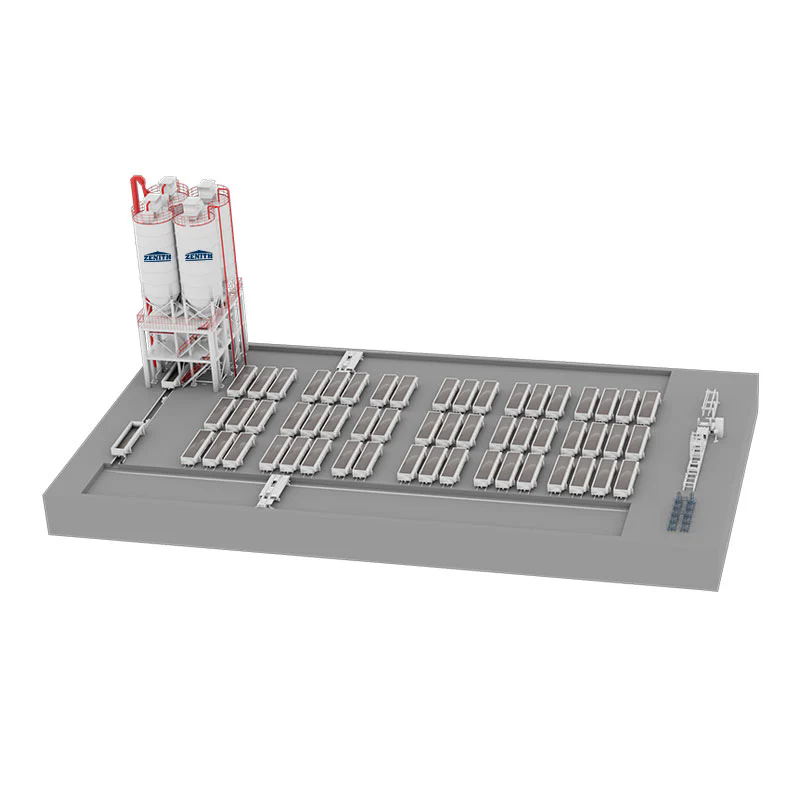
An AAC Batching and Mixing System is the technological core of an autoclaved aerated concrete production line. It determines product density, strength, dimensional accuracy, and long-term stability. In this comprehensive guide, we explore how the system works, why precision batching is critical, common customer challenges, equipment configuration, automation strategies, performance comparison tables, and practical selection advice.
Autoclaved Aerated Concrete (AAC) production relies heavily on precision, consistency, and durable tooling to achieve high-quality blocks and panels. Among all core components in the manufacturing line, the AAC Mould plays a defining role in shaping material performance, reducing waste, and maintaining throughput stability. Manufacturers frequently encounter challenges such as deformation, adhesion issues, uneven curing results, and downtime caused by poor mould quality. Understanding how mould design and construction influence production efficiency can transform operational outcomes.
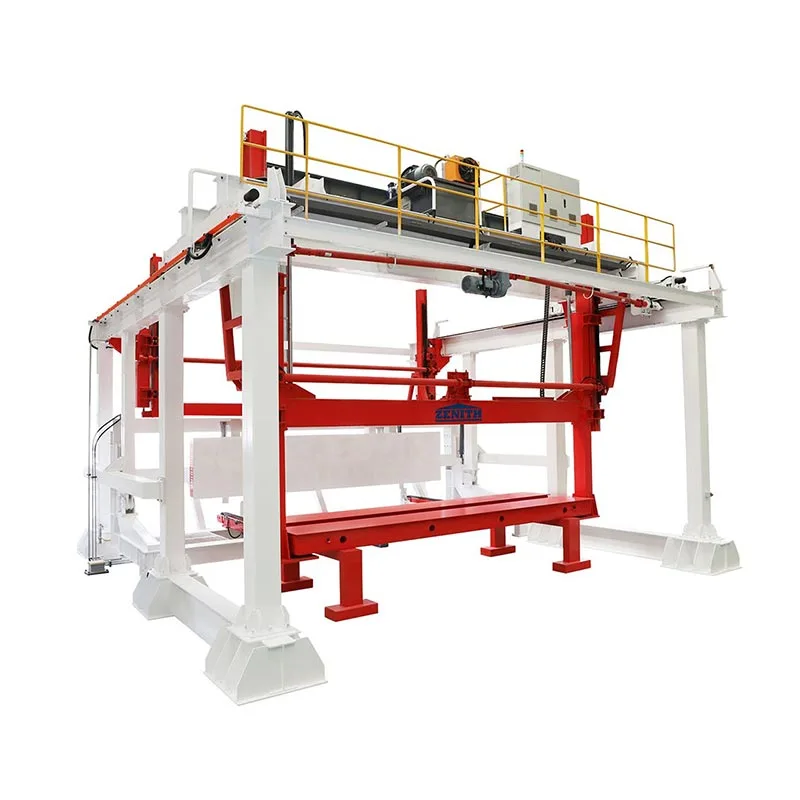
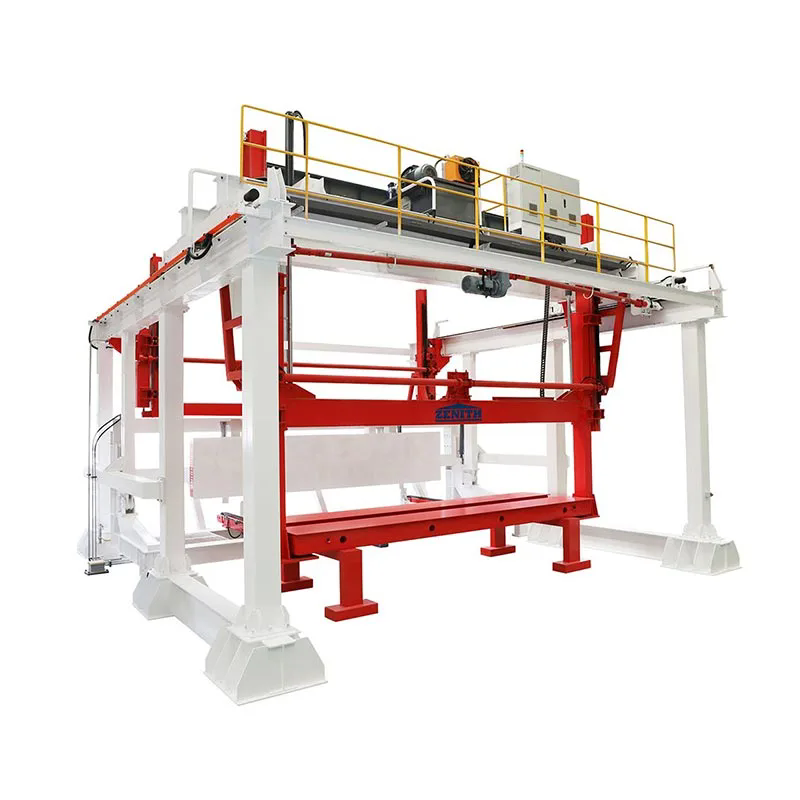
In the global construction materials industry, efficiency, accuracy, and consistency are no longer optional—they are decisive factors that separate profitable manufacturers from those struggling with waste, downtime, and unstable quality. Autoclaved Aerated Concrete (AAC) has become one of the most widely adopted building materials due to its lightweight structure, excellent thermal insulation, and sustainability advantages. However, the real value of AAC blocks can only be unlocked when they are produced with precision. This is where the AAC Cutting Machine becomes a critical piece of equipment.
We use cookies to offer you a better browsing experience, analyze site traffic and personalize content. By using this site, you agree to our use of cookies. Privacy Policy