ZENITH Maschinenfabrik GmbH

How Does AAC Cement Brick Making Machine Transform Modern Construction Efficiency?

2026-07-03 0 Leave me a message

The AAC Cement Brick Making Machine has become a cornerstone of modern construction manufacturing, enabling the production of lightweight, energy-efficient, and highly durable building blocks. This article explores the complete working system, core advantages, production process, cost structure, maintenance strategies, and real-world applications of AAC (Autoclaved Aerated Concrete) technology. It is designed to help manufacturers, investors, and construction professionals understand how this equipment improves productivity, reduces operational costs, and supports sustainable building practices.

AAC Cement Brick Making Machine


Table of Contents


1. Introduction to AAC Cement Brick Making Machine

The AAC Cement Brick Making Machine is an advanced industrial system used to manufacture Autoclaved Aerated Concrete blocks, which are widely recognized for their lightweight structure and high thermal insulation performance. Unlike traditional clay bricks, AAC blocks are produced through a controlled chemical reaction and high-pressure steam curing process.

As urban construction demands grow globally, builders are increasingly shifting toward AAC technology due to its environmental benefits, faster installation rates, and superior structural properties. This machine plays a crucial role in automating production, ensuring consistency, and reducing manual labor dependency.


2. Working Principle of AAC Production System

The working principle of an AAC Cement Brick Making Machine is based on the formation of air pockets within a cement-lime-sand slurry through a chemical reaction. Aluminum powder is added as a foaming agent, which reacts with calcium hydroxide to release hydrogen gas. This creates a porous structure.

After pre-curing, the semi-solid blocks are cut into precise shapes and then transferred into an autoclave for high-pressure steam curing. This process enhances strength and stability.

  • Raw material mixing (cement, lime, fly ash, water)
  • Chemical foaming reaction
  • Pre-curing and molding
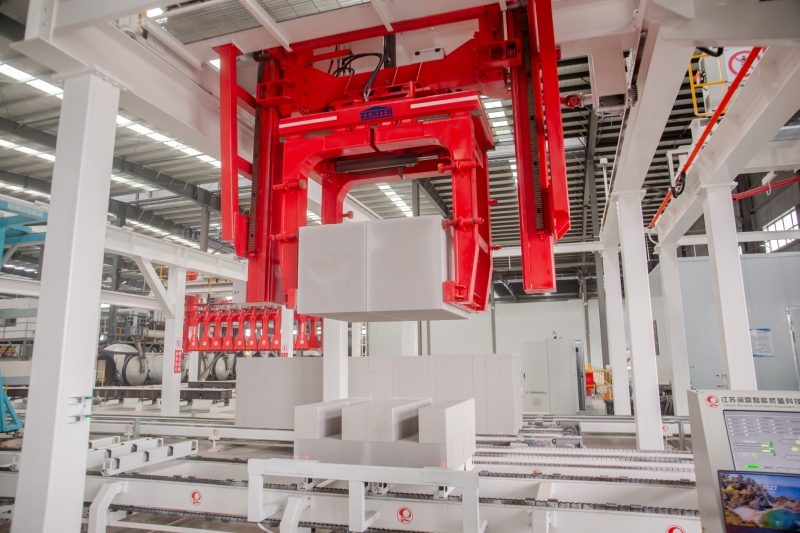
  • Wire cutting for precision shaping
  • Autoclave high-pressure curing
  • Final inspection and packaging

3. Core Components and Production Line Structure

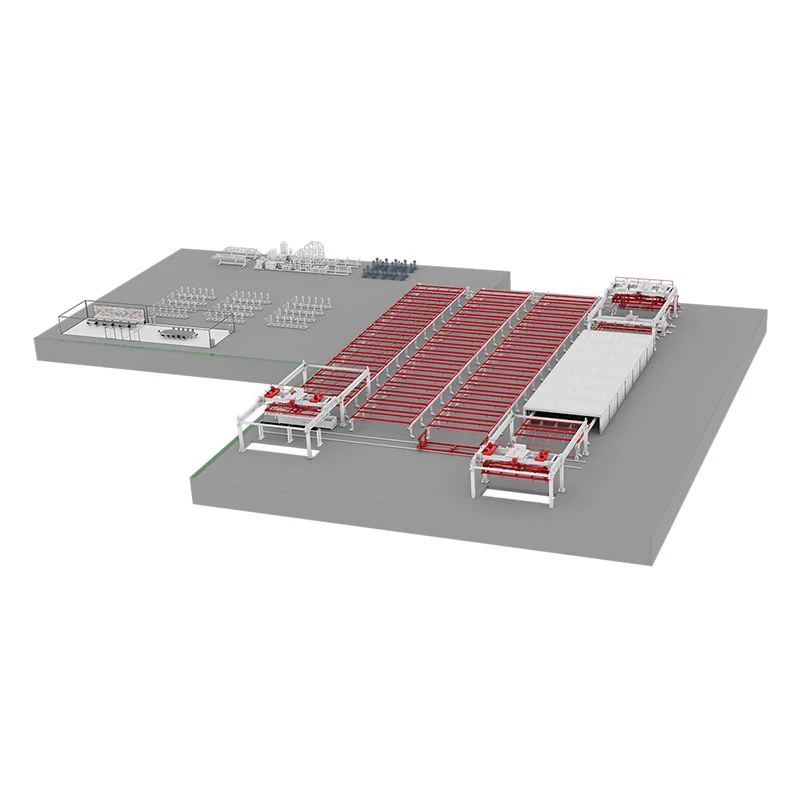
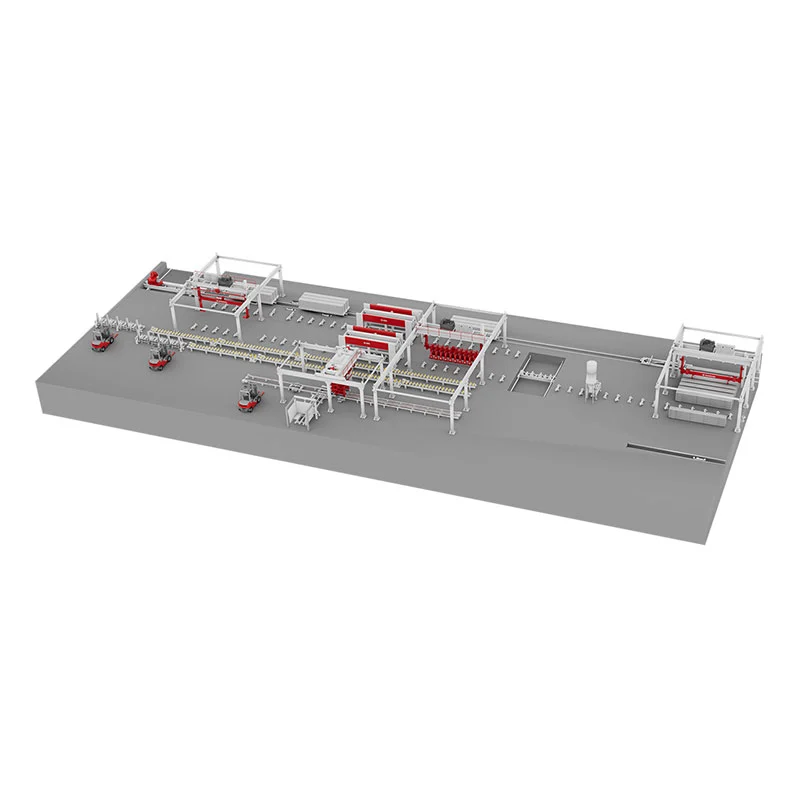
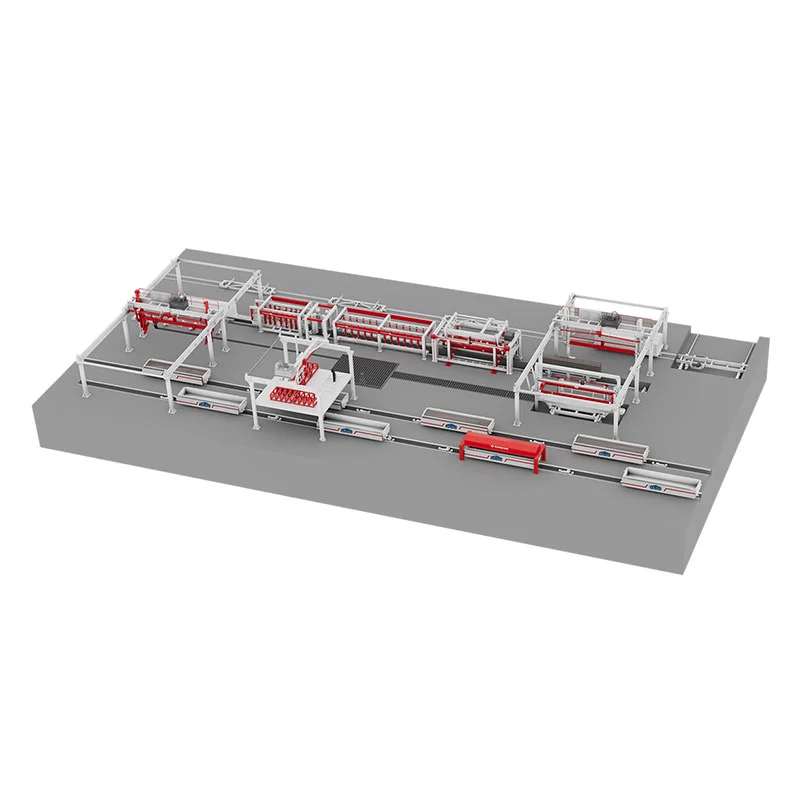
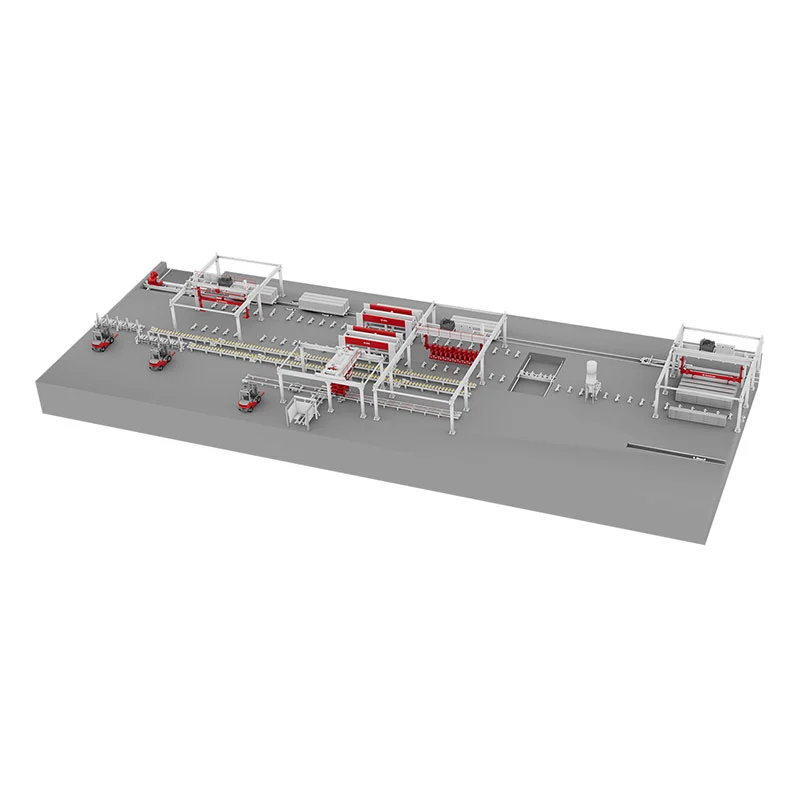
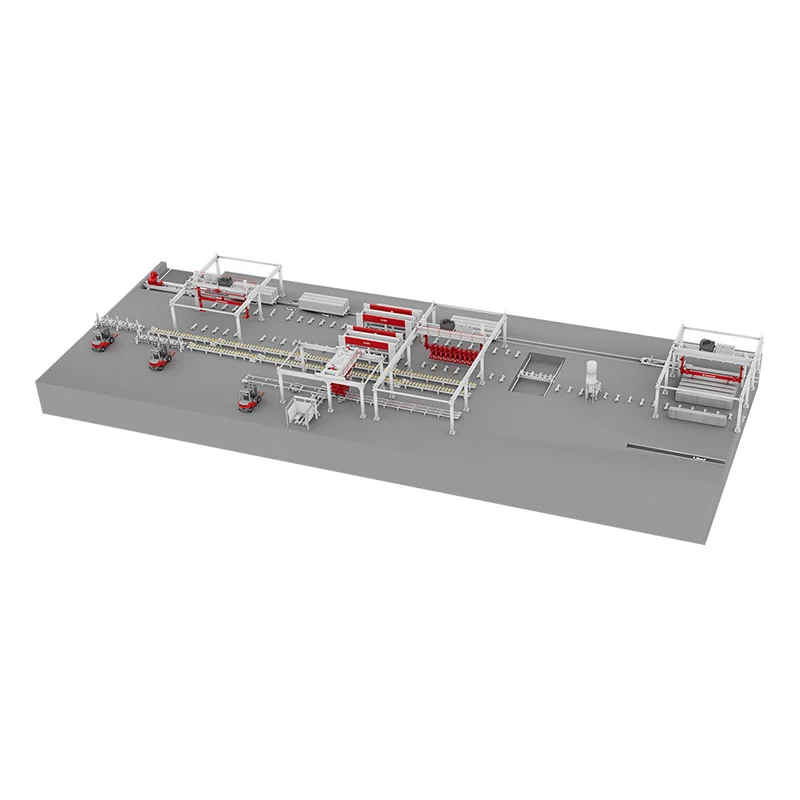
A complete AAC production line is composed of multiple integrated systems working in synchronization. Each unit plays a critical role in ensuring product quality and production efficiency.

System Function
Raw Material Storage System Stores and delivers cement, lime, and fly ash
Batching & Mixing System Ensures accurate ingredient proportioning
Molding System Forms initial block shape
Cutting Machine Provides precise block dimensions
Autoclave System Steam curing under high pressure
Packing System Final product stacking and packaging

4. Key Advantages in Modern Construction

AAC Cement Brick Making Machines offer significant benefits that directly influence construction efficiency, cost reduction, and sustainability.

  • Lightweight Structure: Reduces building load and foundation cost
  • Thermal Insulation: Maintains indoor temperature efficiently
  • Fire Resistance: Can withstand high temperatures without structural failure
  • Sound Insulation: Ideal for residential and commercial buildings
  • Eco-Friendly Production: Uses industrial waste like fly ash
  • High Automation: Reduces labor costs and human error

5. AAC Brick Manufacturing Process Explained

The production of AAC blocks involves a series of carefully controlled steps that ensure uniform quality and structural integrity.

  1. Raw Material Preparation: Cement, lime, silica sand, and fly ash are measured precisely.
  2. Mixing Stage: Materials are blended with water and aluminum powder.
  3. Foaming Reaction: Hydrogen gas forms millions of tiny air cells.
  4. Molding: The slurry is poured into molds.
  5. Pre-Curing: The block solidifies partially at room temperature.
  6. Cutting: Wire cutting machines shape blocks with high precision.
  7. Autoclaving: High-pressure steam curing enhances final strength.
  8. Final Storage: Products are cooled and prepared for shipment.

6. AAC vs Traditional Clay Brick Comparison

Feature AAC Blocks Clay Bricks
Weight Lightweight Heavy
Thermal Insulation Excellent Poor
Construction Speed Fast Slow
Environmental Impact Low High
Cost Efficiency Long-term savings Higher maintenance cost

7. Investment Cost and ROI Analysis

Investing in an AAC Cement Brick Making Machine requires careful financial planning. The cost depends on production capacity, automation level, and supporting infrastructure.

  • Small-scale plant: Lower investment, suitable for local supply
  • Medium-scale plant: Balanced output and automation
  • Large-scale plant: High investment, mass production efficiency

Return on investment is typically achieved through reduced raw material waste, lower labor costs, and high market demand for AAC blocks in urban construction projects.


8. Maintenance and Operational Best Practices

Proper maintenance ensures long-term stability and efficient operation of the AAC Cement Brick Making Machine.

  • Regular inspection of mixing blades and cutting wires
  • Lubrication of mechanical components
  • Autoclave pressure monitoring
  • Calibration of batching system
  • Daily cleaning of molds and slurry pipelines

9. Industry Applications and Market Demand

AAC blocks are widely used in various construction sectors due to their versatility and performance advantages.

  • Residential housing projects
  • Commercial buildings
  • Industrial warehouses
  • High-rise structures
  • Infrastructure development projects

With increasing global emphasis on green building materials, AAC technology continues to gain market traction across Asia, Europe, and the Middle East.


10. Common Challenges and Solutions

Although AAC production is highly efficient, manufacturers may face certain operational challenges.

  • Inconsistent Raw Materials: Solve through strict supplier quality control
  • Equipment Wear: Implement preventive maintenance schedules
  • Autoclave Pressure Issues: Use automated monitoring systems
  • Production Downtime: Maintain spare parts inventory

11. Frequently Asked Questions

Q1: What makes AAC Cement Brick Making Machine different from traditional machines?
It uses advanced aeration and autoclave technology to produce lightweight and high-strength blocks.

Q2: Is AAC block production profitable?
Yes, due to high demand, low material waste, and energy-efficient production.

Q3: How long does an AAC block production line last?
With proper maintenance, it can operate efficiently for over 15–20 years.

Q4: What raw materials are required?
Cement, lime, fly ash, water, and aluminum powder are the main components.

Q5: Can AAC machines be customized?
Yes, production capacity and automation level can be customized based on project needs.


12. Conclusion and Industry Outlook

The AAC Cement Brick Making Machine represents a significant advancement in modern construction manufacturing. Its ability to produce lightweight, durable, and eco-friendly building materials makes it a preferred choice for large-scale infrastructure development.

As global construction trends move toward sustainability and efficiency, AAC technology will continue to expand its role in shaping future cities and smart infrastructure systems.

For high-performance AAC production solutions and industrial-grade equipment, ZENITH Maschinenfabrik GmbH stands as a trusted engineering partner in the global market.

Contact us today to explore customized AAC Cement Brick Making Machine solutions and elevate your production efficiency with advanced German engineering expertise.

Related News
Leave me a message
X
We use cookies to offer you a better browsing experience, analyze site traffic and personalize content. By using this site, you agree to our use of cookies. Privacy Policy
RejectAccept