ZENITH Maschinenfabrik GmbH

Why AAC Tilting Table Is Essential for Efficient Autoclaved Aerated Concrete Production?

2026-04-24 0 Leave me a message

In the modern construction materials industry, efficiency, precision, and safety are no longer optional—they are fundamental requirements. Among the many innovations that have reshaped production lines, the AAC tilting table stands out as a critical piece of equipment that directly impacts product quality and operational workflow. For manufacturers of autoclaved aerated concrete (AAC), optimizing the demolding and handling process is key to reducing damage, minimizing labor intensity, and improving overall output. This article explores the role, advantages, working principles, and real-world value of AAC tilting tables, helping decision-makers better understand how this equipment solves common production challenges.

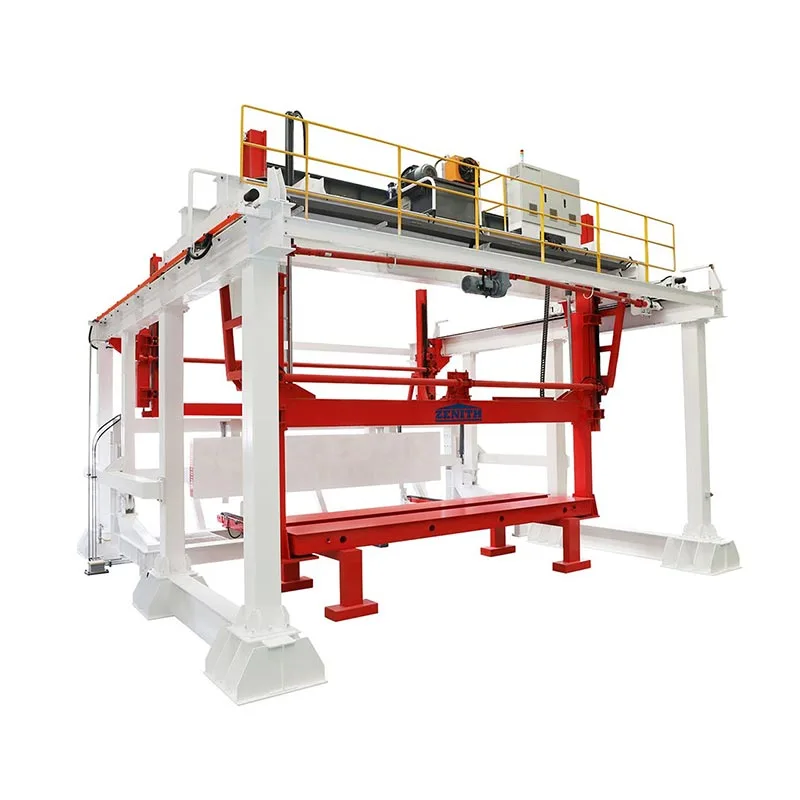
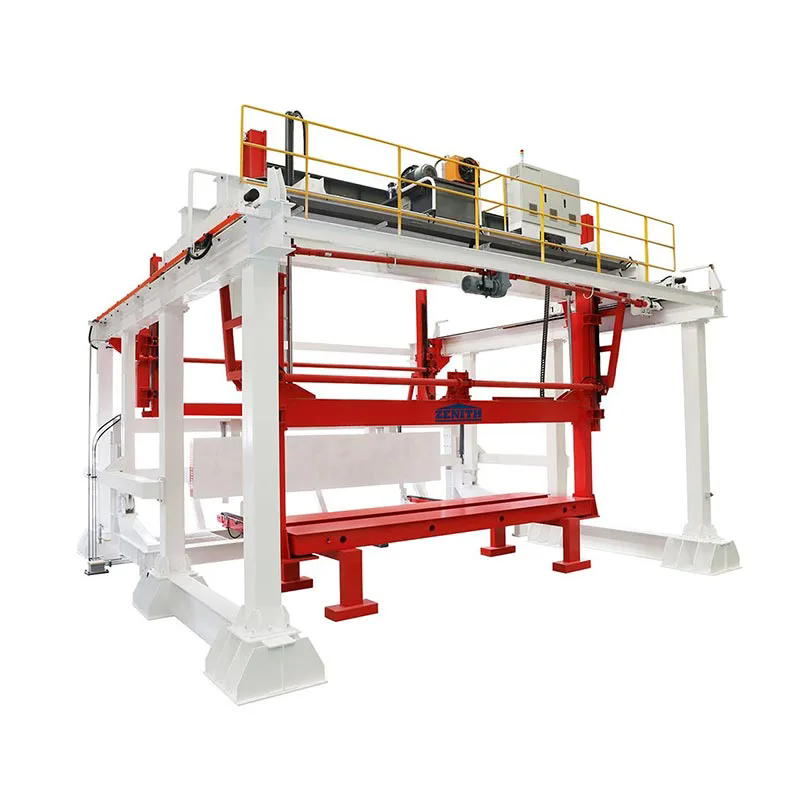
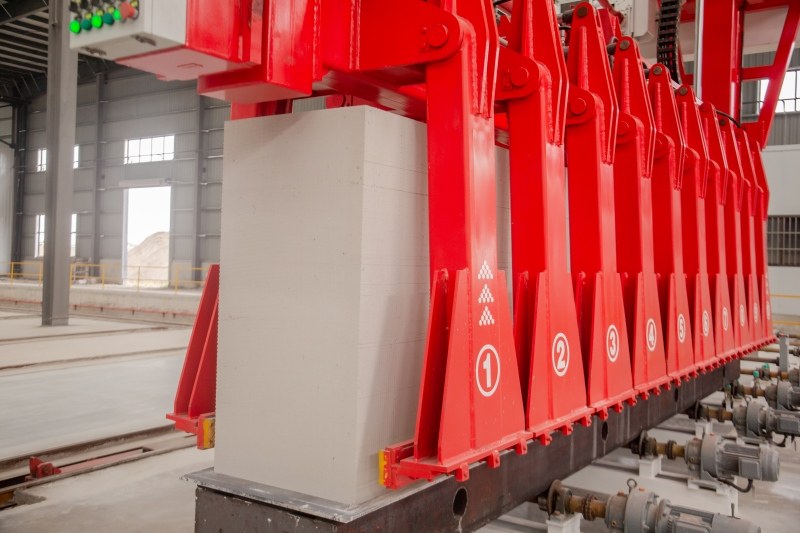
AAC Tilting Table


Article Summary

This comprehensive guide explains what an AAC tilting table is, how it works, and why it is crucial in AAC block and panel production lines. It covers key features, benefits, technical considerations, and practical selection tips. Whether you are upgrading an existing plant or planning a new production line, this article provides actionable insights to help you make informed decisions.


Table of Contents


1. What Is an AAC Tilting Table?

An AAC tilting table is a specialized mechanical device used in the production of autoclaved aerated concrete blocks and panels. Its primary function is to rotate molds or products from a horizontal position to a vertical orientation (or vice versa), facilitating safe demolding, cutting, and handling.

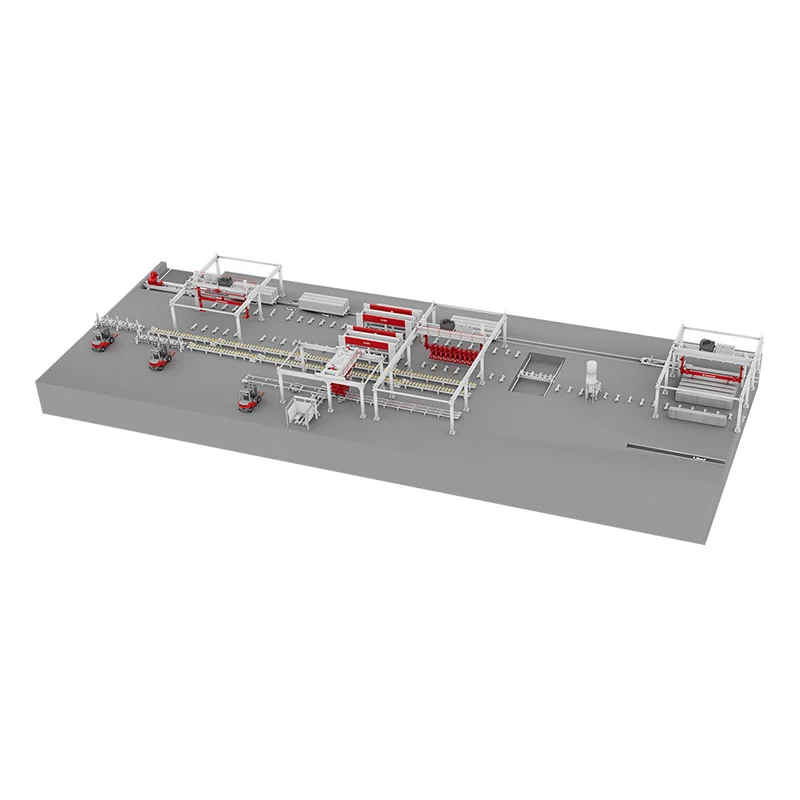
This equipment is typically integrated into automated production lines and is designed to handle heavy loads with precision. By ensuring smooth tilting motion, it prevents structural damage to fragile green cakes or finished AAC products.


2. Why Is It Important in AAC Production?

AAC products are lightweight but delicate during early production stages. Improper handling can lead to cracks, deformation, or even complete product loss. The tilting table addresses several critical needs:

  • Reduces manual labor and physical strain
  • Ensures consistent product orientation
  • Minimizes breakage during demolding
  • Improves workflow efficiency
  • Enhances worker safety

Without a reliable tilting mechanism, production lines would face frequent interruptions, higher defect rates, and increased operational costs.


3. How Does an AAC Tilting Table Work?

The working principle of an AAC tilting table is relatively straightforward but highly engineered for precision. The process generally includes:

  1. The mold or AAC cake is placed onto the table platform
  2. Hydraulic or mechanical systems initiate controlled rotation
  3. The table tilts to the desired angle (often 90 degrees)
  4. The product is transferred to the next stage (cutting or packaging)

Advanced systems incorporate sensors and automation controls to ensure smooth movement and accurate positioning.


4. Key Features and Technical Advantages

Feature Description Benefit
Hydraulic Drive System Provides stable and controlled motion Prevents sudden shocks and damage
Heavy Load Capacity Designed for large molds and panels Supports industrial-scale production
Precision Control Accurate angle adjustment Improves consistency
Robust Structure High-strength steel construction Ensures durability and long lifespan
Automation Compatibility Integrates with PLC systems Enables smart production lines

5. Common Challenges Solved by Tilting Tables

Manufacturers often face several recurring issues in AAC production. The tilting table directly addresses these:

  • Product Breakage: Smooth tilting reduces stress on fragile materials
  • Labor Inefficiency: Automation minimizes manual handling
  • Inconsistent Quality: Uniform positioning ensures better cutting results
  • Safety Risks: Eliminates hazardous lifting operations

By solving these challenges, the equipment significantly improves production reliability and profitability.


6. Comparison: Manual vs Automated Systems

Aspect Manual Handling AAC Tilting Table
Efficiency Low High
Labor Requirement High Low
Product Damage Frequent Minimal
Safety Risky Safe
Consistency Variable Stable

7. How to Choose the Right AAC Tilting Table?

Selecting the right equipment requires careful evaluation of several factors:

  • Load Capacity: Match with your mold size and weight
  • Automation Level: Manual, semi-automatic, or fully automatic
  • Hydraulic System Quality: Ensures smooth operation
  • Integration Capability: Compatibility with existing production lines
  • Manufacturer Reputation: Reliability and after-sales support

Working with experienced suppliers such as ZENITH Maschinenfabrik GmbH ensures access to advanced engineering solutions and dependable performance.


8. Maintenance and Safety Best Practices

To ensure long-term performance, proper maintenance is essential:

  • Regularly inspect hydraulic systems for leaks
  • Lubricate moving components
  • Check structural integrity and fasteners
  • Calibrate control systems periodically
  • Train operators on safe usage procedures

Preventive maintenance not only extends equipment lifespan but also reduces unexpected downtime.


9. Future Trends in AAC Equipment

The AAC industry is evolving rapidly, with increasing emphasis on automation and sustainability. Future tilting tables are expected to feature:

  • Smart sensors for real-time monitoring
  • AI-driven predictive maintenance
  • Energy-efficient hydraulic systems
  • Seamless integration with Industry 4.0 platforms

These advancements will further enhance productivity while reducing environmental impact.


10. FAQ

Q1: What is the main purpose of an AAC tilting table?

A: It is used to safely rotate molds or AAC products for demolding and further processing.

Q2: Can it handle large panels?

A: Yes, most industrial tilting tables are designed for heavy loads and large dimensions.

Q3: Is automation necessary?

A: While not mandatory, automation significantly improves efficiency and reduces labor costs.

Q4: How often should maintenance be performed?

A: Routine inspections should be conducted weekly, with deeper maintenance scheduled periodically.

Q5: What industries use AAC tilting tables?

A: Primarily construction material manufacturing, especially AAC block and panel production plants.


Conclusion

The AAC tilting table is more than just a piece of equipment—it is a cornerstone of efficient, safe, and high-quality AAC production. By addressing critical operational challenges such as product handling, labor efficiency, and safety, it enables manufacturers to stay competitive in a demanding market.

If you are looking to enhance your production line with reliable and advanced solutions, ZENITH Maschinenfabrik GmbH offers industry-leading expertise and technology tailored to your needs.

Ready to upgrade your AAC production efficiency? Contact us today to explore customized solutions that drive performance and profitability.

Related News
Leave me a message
X
We use cookies to offer you a better browsing experience, analyze site traffic and personalize content. By using this site, you agree to our use of cookies. Privacy Policy
RejectAccept