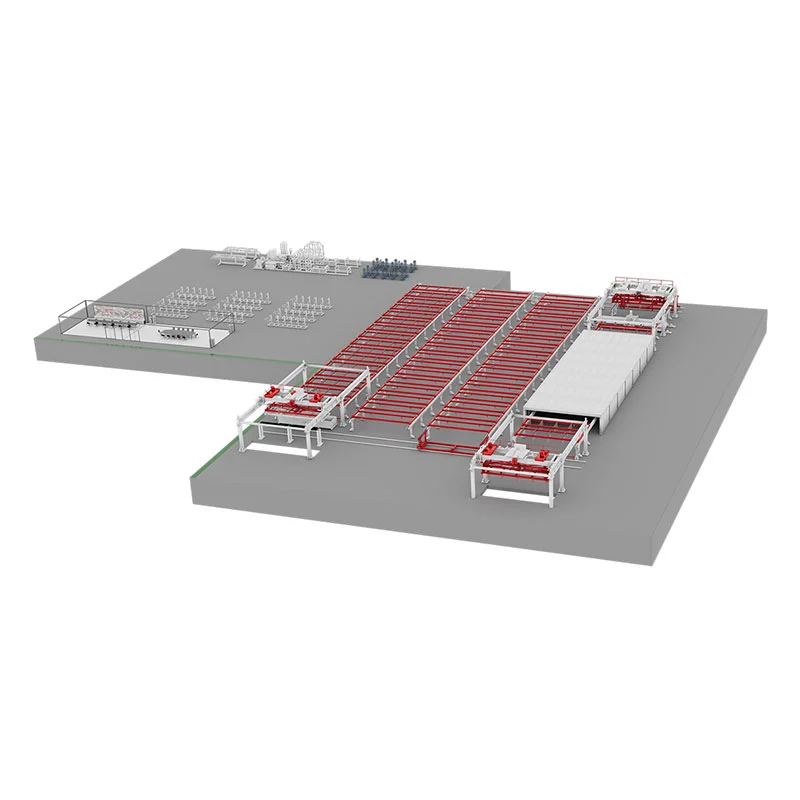
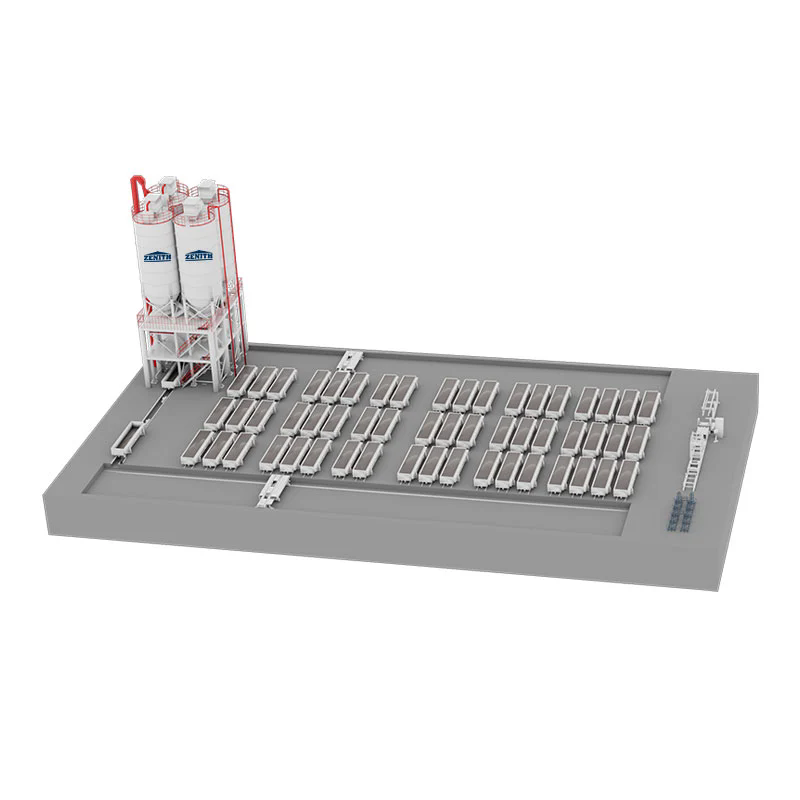
An AAC Panel Machine is a highly specialized production system designed to manufacture Autoclaved Aerated Concrete (AAC) panels, which are widely used in modern construction for their lightweight structure, thermal insulation, fire resistance, and eco-friendly properties. As the construction industry continues to shift toward energy-efficient and sustainable materials, AAC panel production technology has become a critical asset for manufacturers seeking scalability, consistency, and cost efficiency.
This article provides a deep technical and practical exploration of AAC Panel Machines, including how they work, their core components, production workflow, advantages, applications, maintenance strategies, and selection criteria. It is designed to help manufacturers, investors, and construction professionals understand the full lifecycle and value proposition of AAC panel production systems.
This article is structured to guide readers from foundational understanding to advanced industrial insights. It begins with a definition of AAC Panel Machines, then explores mechanical principles, system components, production flow, and industrial applications. It further evaluates economic benefits, technical parameters, operational challenges, and future innovation trends. The article concludes with practical buying guidance and expert answers to frequently asked questions.
An AAC Panel Machine is an industrial production line designed to manufacture Autoclaved Aerated Concrete panels, which are precast building materials made from a mixture of cement, lime, silica sand, gypsum, water, and an expansion agent such as aluminum powder. These panels are cured under high-pressure steam in autoclaves, resulting in a porous yet strong building material.
Unlike traditional concrete production systems, AAC Panel Machines are engineered to produce uniform, lightweight panels that are easy to transport and install. They are widely used in residential, commercial, and industrial construction due to their excellent thermal insulation and fire-resistant properties.
The working principle of an AAC Panel Machine is based on controlled chemical reactions and precision molding technology. The process begins with raw material batching, followed by mixing, pouring, pre-curing, cutting, and autoclave curing.
The key transformation occurs when aluminum powder reacts with alkaline components in the slurry, generating hydrogen bubbles that create a porous structure. After pre-curing, the semi-solid block is cut into panels and placed into autoclaves for high-pressure steam curing, which enhances strength and durability.
This systematic transformation ensures consistent density, dimensional accuracy, and structural stability across all produced panels.
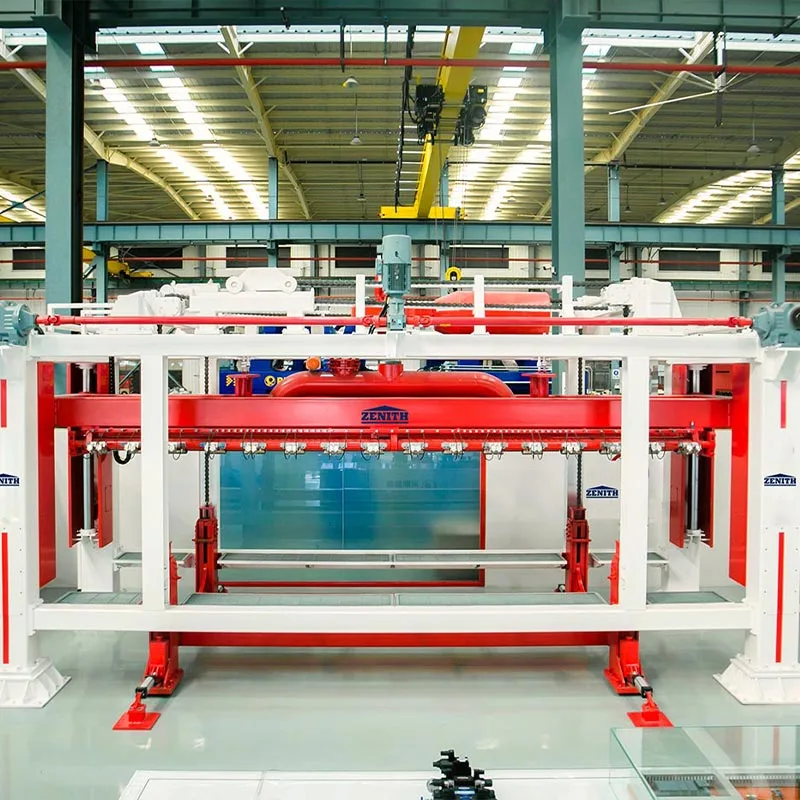
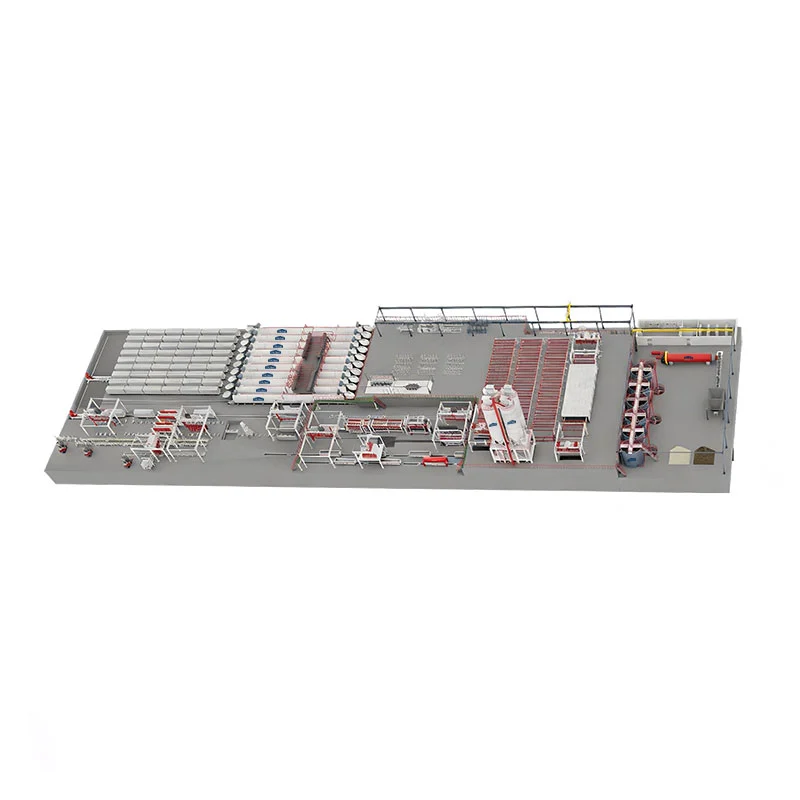
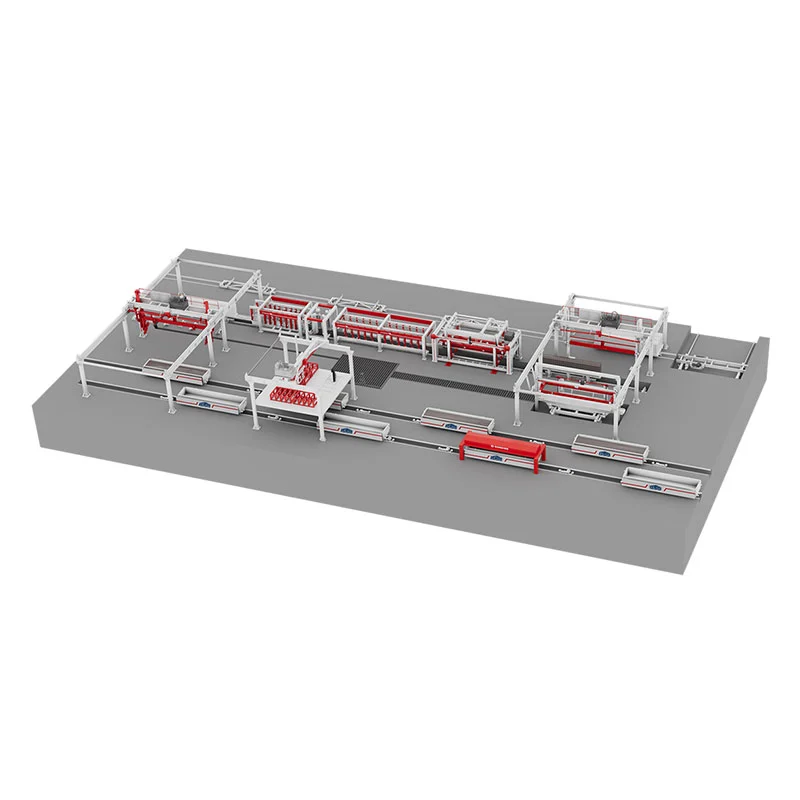
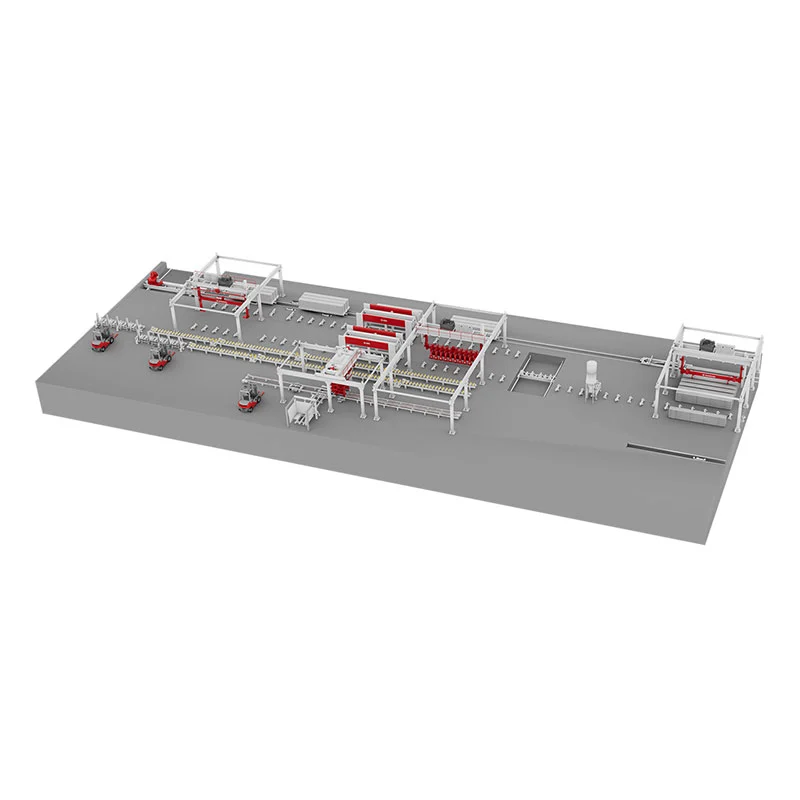
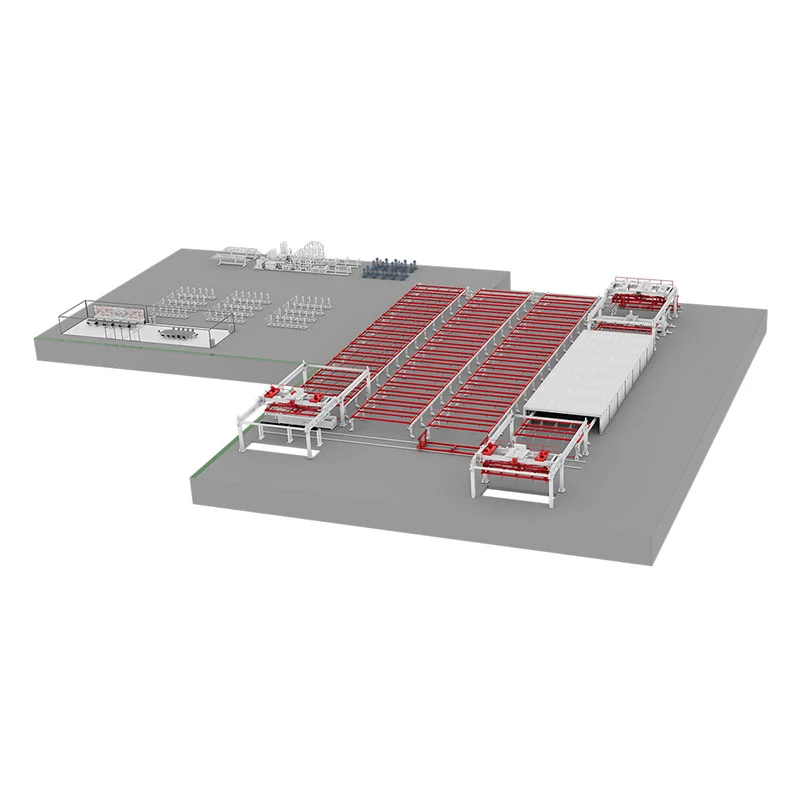
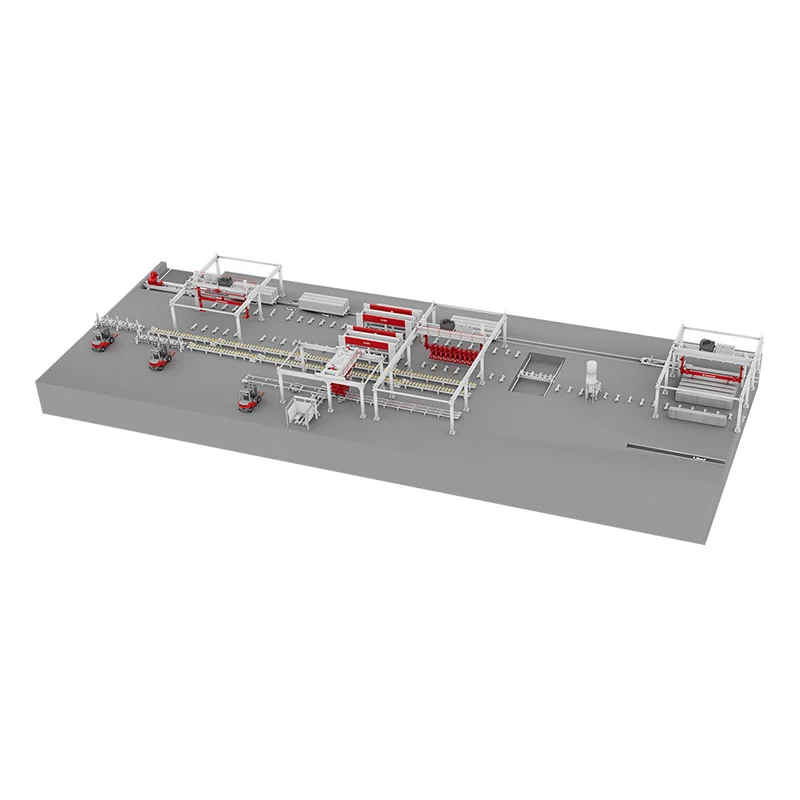
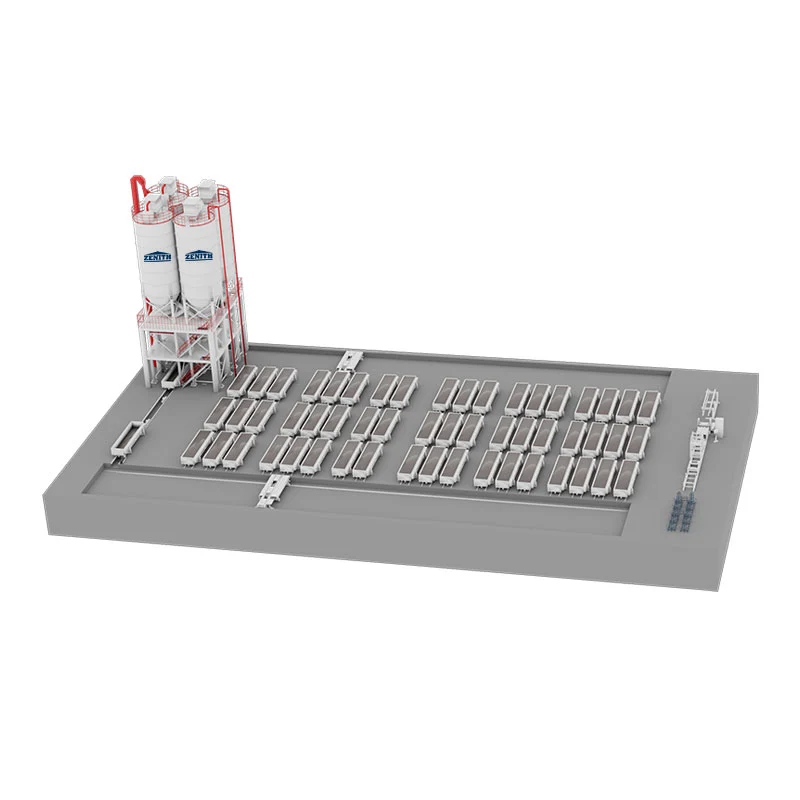
A complete AAC Panel Machine system consists of multiple integrated subsystems working in synchronization. Each component plays a critical role in ensuring production efficiency and product quality.
The AAC panel manufacturing process follows a highly structured sequence to ensure product integrity and efficiency.
AAC Panel Machines bring significant advantages to construction material manufacturers and developers. Their value extends beyond production efficiency into sustainability and structural innovation.
AAC panels produced by AAC Panel Machines are widely used across multiple construction sectors due to their versatility and performance characteristics.
The technical configuration of an AAC Panel Machine varies depending on production capacity and automation level. Below is a general specification overview:
| Parameter | Standard Range |
|---|---|
| Production Capacity | 50,000 – 300,000 m³/year |
| Panel Density | 400 – 700 kg/m³ |
| Autoclave Pressure | 1.0 – 1.3 MPa |
| Cutting Accuracy | ±1 mm |
| Automation Level | Semi-automatic / Fully automatic |
While AAC Panel Machines are highly efficient, operators may face certain challenges during production. Understanding these issues helps improve stability and output quality.
Choosing the right AAC Panel Machine requires careful consideration of production goals, budget, and automation needs.
A well-selected system ensures long-term operational stability and return on investment.
Regular maintenance is essential for ensuring the long-term efficiency of AAC Panel Machines. Proper upkeep reduces downtime and extends equipment lifespan.
The AAC industry is evolving rapidly with advancements in automation, digital monitoring, and sustainable manufacturing technologies. Future AAC Panel Machines are expected to feature higher levels of intelligence, predictive maintenance systems, and enhanced energy recovery systems.
In addition, integration with smart factory ecosystems will allow real-time production monitoring and remote diagnostics, significantly improving operational efficiency and reducing human intervention.
1. What materials are used in AAC panels?
Cement, lime, sand, gypsum, water, and aluminum powder are the primary materials.
2. Are AAC panels environmentally friendly?
Yes, they produce lower emissions and reduce construction waste.
3. How long does AAC production take?
Typically, the full cycle takes 8–12 hours depending on system configuration.
4. Can AAC Panel Machines be customized?
Yes, most systems can be tailored to production capacity and automation requirements.
5. What is the lifespan of an AAC Panel Machine?
With proper maintenance, it can operate efficiently for over 15–20 years.
AAC Panel Machines represent a transformative advancement in construction material manufacturing. Their ability to produce lightweight, durable, and energy-efficient panels makes them an essential solution for modern infrastructure development. From production efficiency to environmental sustainability, these systems provide long-term value for manufacturers and builders alike.
For businesses seeking advanced AAC production technology, ZENITH Maschinenfabrik GmbH offers industry-leading engineering solutions tailored to global construction demands.
If you are interested in upgrading your production line or starting a new AAC manufacturing project, feel free to contact us for professional consultation and customized solutions designed to maximize your operational success.