ZENITH Maschinenfabrik GmbH

How AAC Sheet Production Line Equipment Balances Lower Operating Costs and Higher Returns?

2026-05-21 0 Leave me a message

For two decades, we have observed a persistent myth in the construction materials industry: you must choose between minimizing operational expenses or maximizing profitability. Modern AAC Sheet Production Line Equipment shatters this false dilemma. Our factory has engineered solutions where advanced automation, energy recovery, and precision cutting work together. The result is a production ecosystem that lowers steam consumption, reduces raw material waste, and extends component life, all while delivering higher quality sheets that command premium prices. This is not theoretical; it is a matter of smart engineering applied to every cubic meter of autoclaved aerated concrete.


The balance is achieved through specific technological choices: gravimetric dosing with micro accuracy, servo driven cutting carriages, cascading autoclave pressure equalization, and predictive maintenance networks. Our factory integrates these into a seamless workflow. This article provides a component level breakdown of how each system contributes to the bottom line. We will examine real parameters, comparative tables, and operational strategies that turn a production line into a competitive advantage. Whether you operate an existing plant or plan a new one, understanding these mechanisms will change how you evaluate capital equipment.

AAC Mould


Table of Contents


Why Does Precision Dosing Directly Lower Material Costs and Increase Output Consistency?

Material waste is the most visible operating cost in any AAC sheet plant. Inaccurate volumetric feeding of cement, lime, fly ash, and aluminum paste leads to rejected blocks, off spec sheets, and unnecessary binder consumption. Our factory has measured that traditional systems often overuse cement by 5 to 8 percent to compensate for dosing variance. This directly erodes margin. Zenith integrates gravimetric batch weighing with an accuracy of plus or minus 0.5 percent of full scale. This precision allows plant operators to reduce the safety margin in the mix design, lowering material costs by 4 to 6 percent annually without any loss in final strength.

Beyond direct savings, consistent dosing stabilizes the entire production process. The rising height becomes predictable, pre curing time shortens, and autoclave cycles produce uniform cell structure. Fewer defects mean that almost every sheet from the AAC Sheet Production Line Equipment meets first grade standards. Our factory designs the material delivery system with anti bridging sensors and vibration assistance on each screw conveyor. The table below details the key performance parameters of our dosing package.

Parameter Zenith Dosing Specification
Cement / Lime weighing accuracy ±0.5% of setpoint
Aluminum paste dosing tolerance ±1.0 gram per cubic meter batch
Slurry density control loop 1.62 to 1.68 g/cm³ continuous adjustment
Batch cycle time (1.2 m³ mixer) 90 to 110 seconds
Dust filter capture efficiency 99.7% returned to silo
  • Automatic tare compensation adjusts for silo pressure fluctuations in real time.
  • Moisture sensors in fly ash feed with 0.2 second response to correct water addition.
  • Waste slurry recycling system reinjects up to 95 percent of leftover mix.
  • Recipe library stores up to 50 different formulas for varied raw material sources.

Our factory also provides on site calibration training. Operators learn to optimize recipes for local pozzolans, reducing dependence on expensive imported materials. This knowledge turns the dosing system into a strategic cost control tool. The combination of hardware accuracy and process expertise is how Zenith balances lower operating costs with higher returns from the very first batch.


How Does Servo Driven Cutting Technology Reduce Scrap and Unlock Premium Markets?

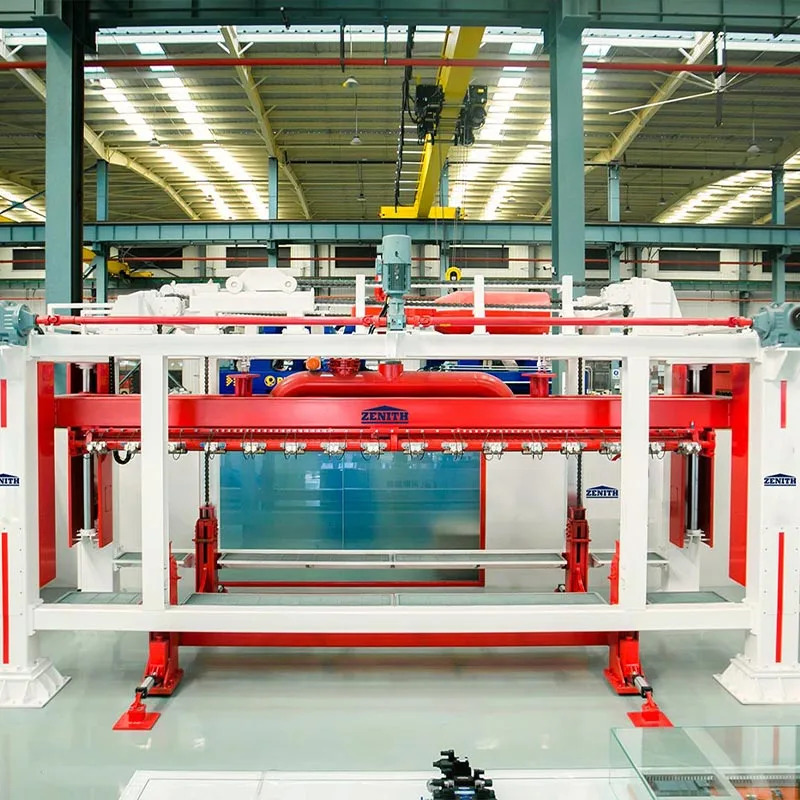
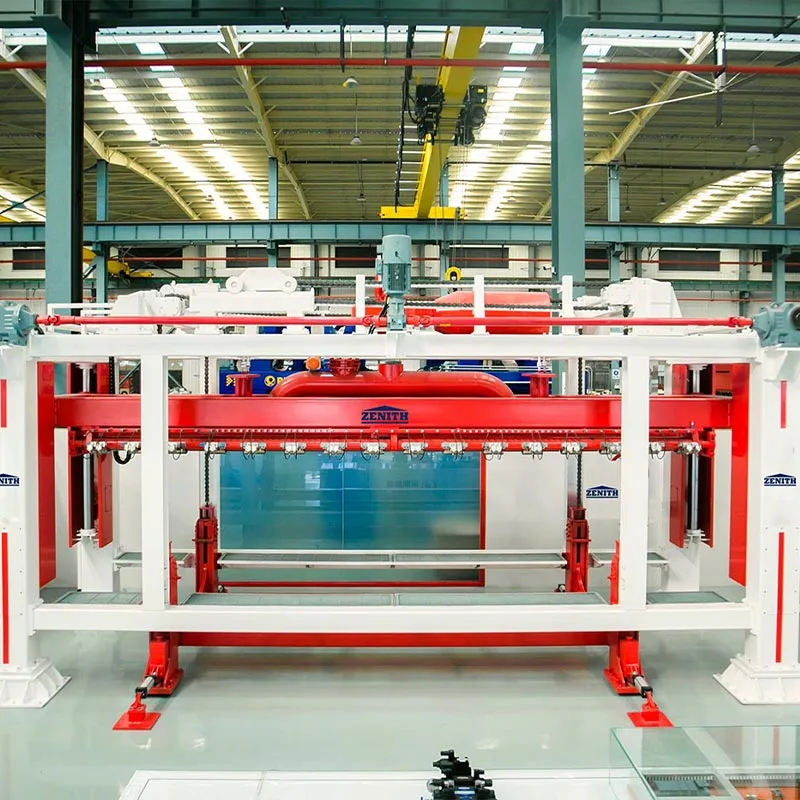
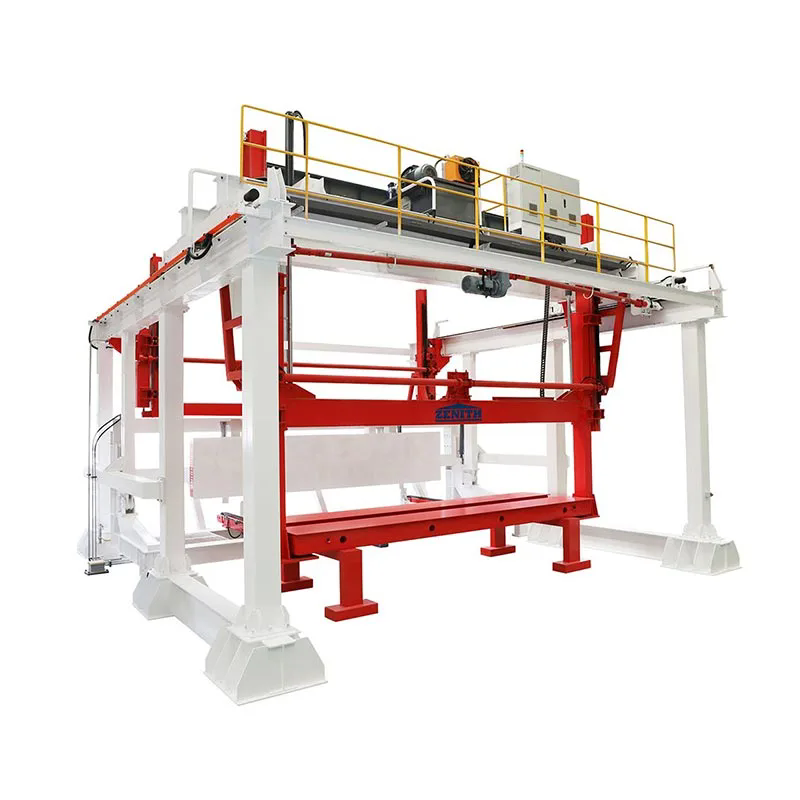
After the cake rises and reaches green strength, the cutting stage determines geometric precision. Traditional fixed tension wire cutting often produces wavy surfaces and dimensional errors exceeding 2 millimeters. Such sheets require grinding or sell at a discount. Our factory has reengineered the cutting carriage with independent servo motors for each wire group and a laser reference alignment system. The AAC Sheet Production Line Equipment from Zenith achieves a cutting tolerance of plus or minus 0.8 millimeters on length, width, and thickness. This precision reduces scrap by nearly 70 percent compared to conventional systems, directly lowering waste disposal costs and raw material loss.

Higher accuracy also opens premium market segments. Sheets with precise edges and flat surfaces are required for reinforced floor panels, load bearing walls, and prefabricated modules. These applications command prices 20 to 30 percent higher than standard blocks or lower grade sheets. One of our clients in Vietnam increased their average selling price by 16 percent after switching to Zenith cutting technology, simply because their sheets consistently met strict international flatness standards. The following list highlights additional waste reduction and value creation features.

  • Automatic wire break detection and repositioning within 2 seconds, preventing line stops.
  • Offcut recycling conveyor that sends green waste directly back to the slurry tank.
  • Laser measurement of cake height before cutting to adjust wire penetration depth.
  • Edge trimming system that produces uniform chamfers for easier handling and installation.
  • Quick change wire cassette enabling size changes under 12 minutes for small batch runs.
  • Servo driven vertical and horizontal cutting groups with independent vibration dampers.

Our factory provides a dimensional validation report for every production shift, allowing plant owners to prove quality to auditors and end users. This transparency reduces costly disputes and returns. The cutting section is not merely a shaping station; it is a profit center that turns raw material precision into market reputation and premium pricing.


What Energy Recovery Methods in Autoclave Operations Minimize Steam Bills?

Autoclaves typically consume more than 45 percent of total plant energy. Traditional operations vent residual steam directly to the atmosphere after each cycle, wasting thermal energy and treated water. Zenith solves this with a cascading pressure equalization system combined with a flash steam recovery vessel. When one autoclave finishes curing, its remaining steam is routed to a second autoclave that is just beginning its pressurization phase. This cross vessel recovery reduces steam generation demand by 22 to 28 percent, dramatically lowering fuel or electricity costs for the boiler.

Our factory also integrates automatic condensate return pumps that send high temperature water back to the boiler feed tank. The entire loop is insulated with mineral wool cladding to minimize heat loss. The table below shows the energy specifications of our autoclave package for AAC Sheet Production Line Equipment.

Parameter Zenith Energy Recovery Autoclave Data
Maximum operating pressure 1.2 to 1.5 MPa (12 to 15 bar)
Peak temperature range 185 to 195 degrees Celsius
Steam consumption per m³ (with recovery) 160 to 175 kg
Total cycle time (including equalization) 10.5 to 11.5 hours
Condensate return rate 92 percent
  • Variable frequency drive on vent valves to control pressure release and thermal shock.
  • Automated door sealing with silicone rubber, reducing leakage to under 0.2 bar per hour.
  • Remote monitoring of pressure temperature curves to predict optimal transfer points.
  • Heat exchanger for pre heating raw water used in slurry mixing, capturing low grade heat.
  • Ability to integrate with biomass or waste heat boilers for carbon neutral operation.

Our factory designs every autoclave with a 25 year fatigue life calculation. Lower steam consumption means both lower operating costs and a smaller carbon footprint, helping manufacturers qualify for green building subsidies. Several Zenith clients have recovered the additional cost of the recovery system within 14 months. This is a direct engineering example of balancing cost reduction with financial performance.


How Can Predictive Maintenance Algorithms Reduce Downtime and Extend Asset Life?

Unplanned downtime is a silent profit killer. A four hour stoppage in the cutting or autoclave loading system can delay an entire day output, causing missed delivery penalties and idle labor costs. Zenith embeds vibration sensors, thermocouples, and oil debris monitors into every critical component of the AAC Sheet Production Line Equipment. This data flows to a central edge computing unit that applies machine learning algorithms to detect anomalies 48 to 72 hours before failure. Plant managers receive actionable alerts on mobile devices, allowing scheduled maintenance during planned shift breaks.

Our factory has benchmarked that predictive maintenance reduces emergency repair costs by 38 percent and increases overall equipment effectiveness by 9 percent. For a typical 80,000 m³ per year plant, this translates to an additional 7,200 m³ of sellable sheets annually without new capital investment. The following list details specific monitoring parameters.

  • Wire cutting carriage motor current trending to detect binding or misalignment.
  • Autoclave door hinge strain gauges to prevent seal damage and steam leaks.
  • Transfer car wheel bearing temperature thresholds for lubrication scheduling.
  • Pump impeller vibration spectrum analysis for cavitation detection.
  • Conveyor belt tension monitoring with automatic take up adjustment.
  • Mixer gearbox oil debris analysis to predict wear particle generation.

Beyond preventing breakdowns, predictive maintenance extends the useful life of expensive spares such as gearboxes and hydraulic cylinders. Our factory provides a cloud based dashboard that compares your machine data with anonymous fleet data, so you can identify when a component is aging faster than normal. Lower operating costs come from fewer spare part purchases and less overtime labor. Higher returns come from consistent production volumes and the ability to accept urgent orders with confidence. One of our European clients increased on time delivery from 86 percent to 97 percent after adopting Zenith protocols. This reliability allowed them to raise prices by 8 percent for guaranteed lead times.


Why Does a Modular Line Architecture Improve ROI Flexibility and Lower Expansion Risk?

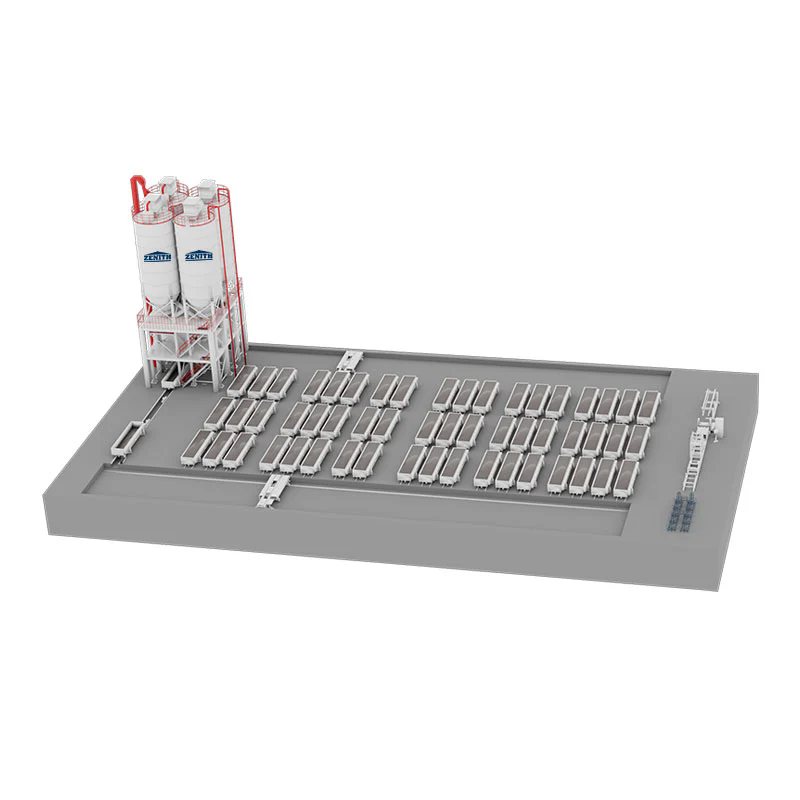
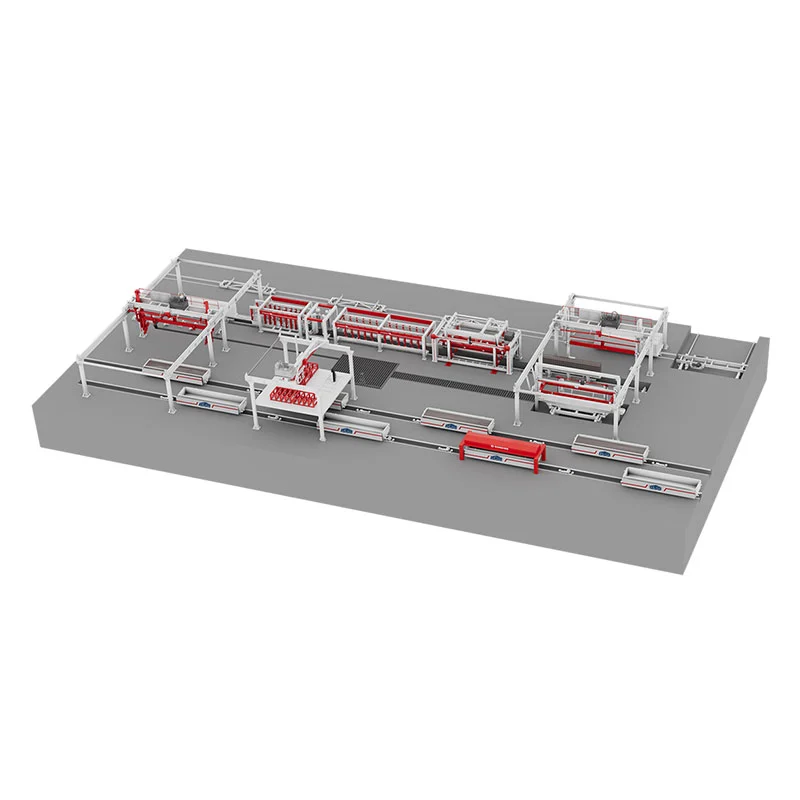
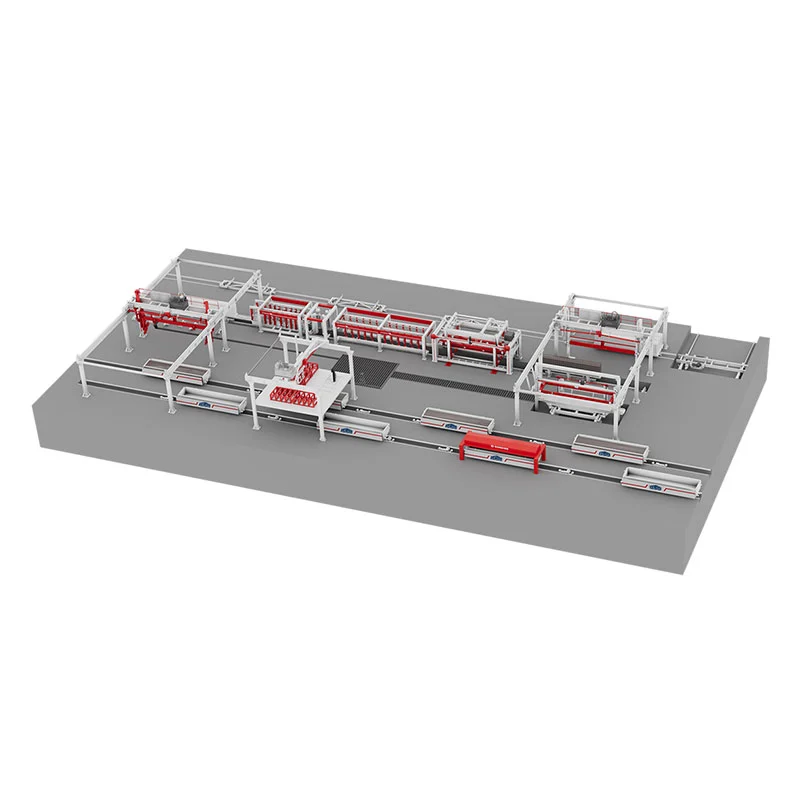
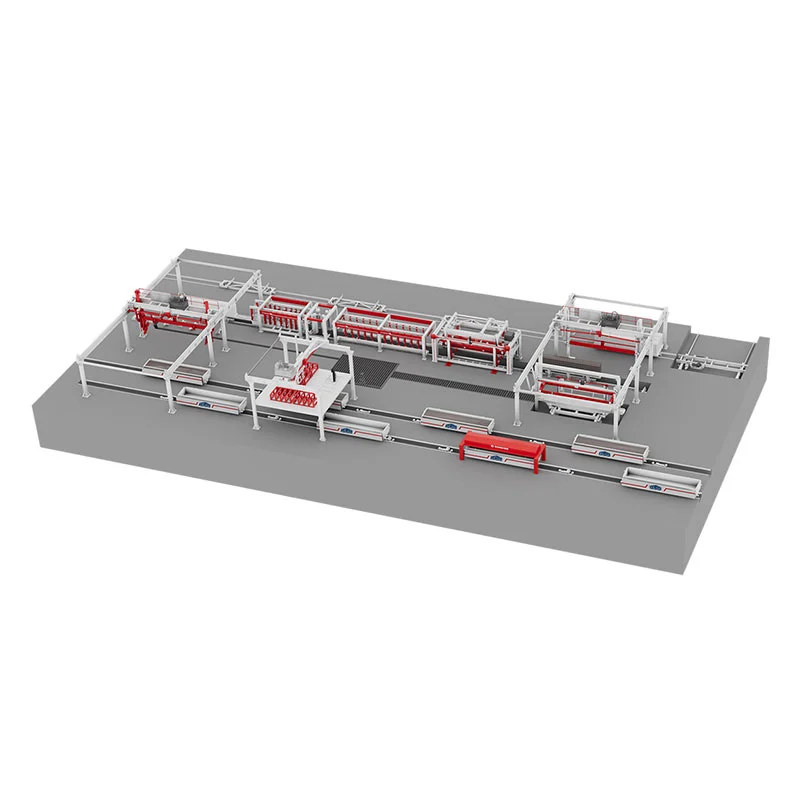
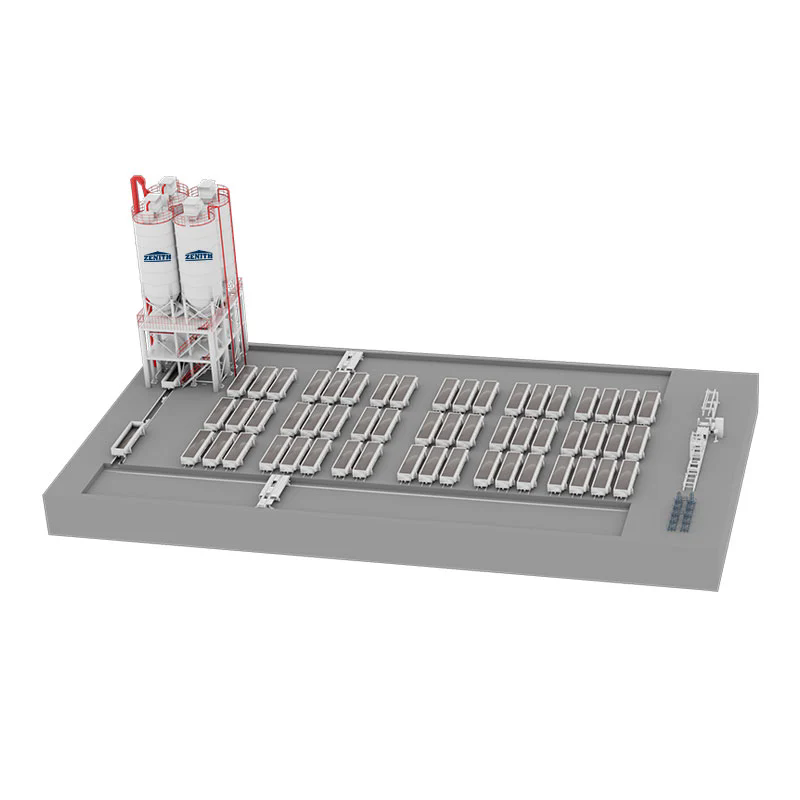
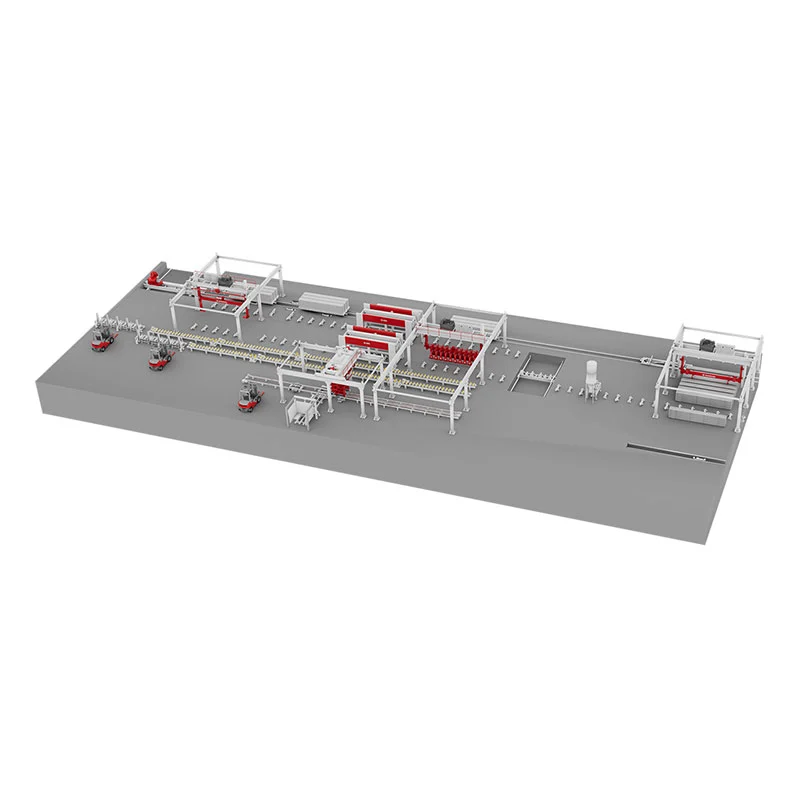
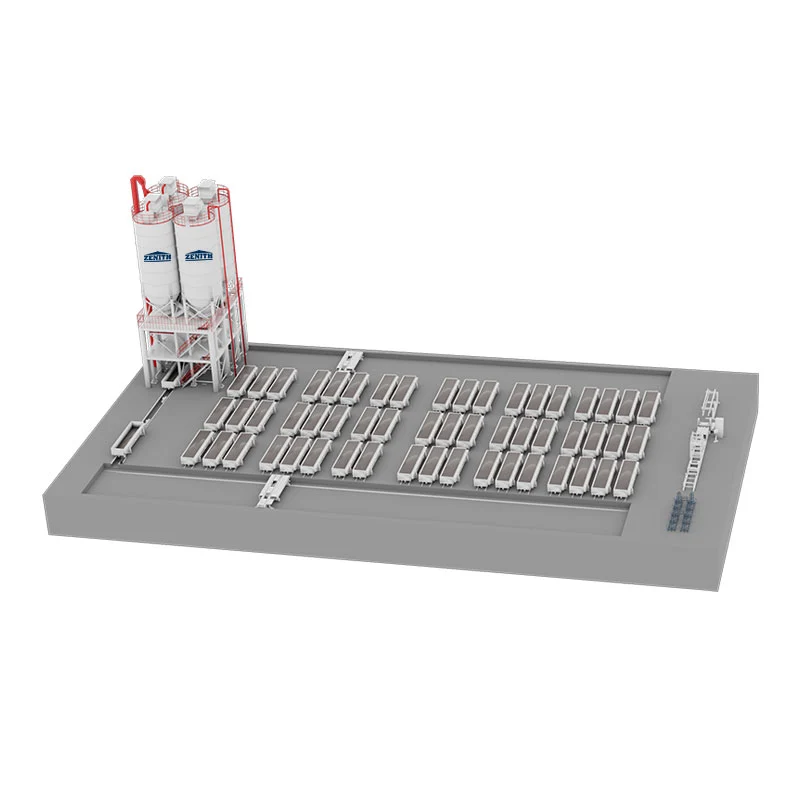
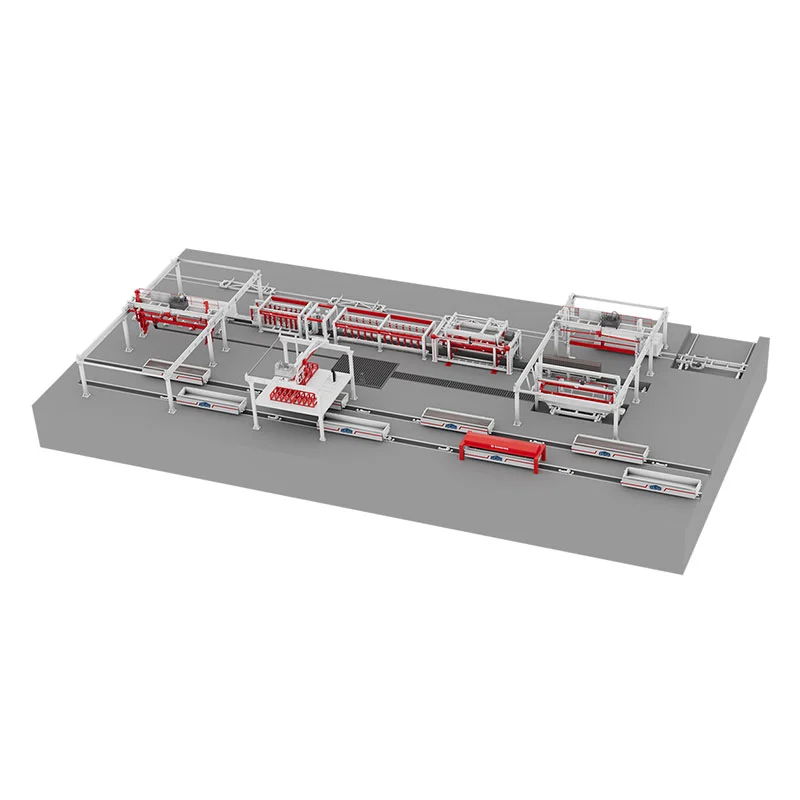
Market demands for sheet thicknesses, lengths, and reinforcement patterns change frequently. A rigid line forces owners to reject custom orders or invest in expensive retrofits. Zenith solves this through modular design: each major station mixing, pouring, cutting, autoclaving, and packaging is a self contained unit with standardized mechanical and electrical interfaces. Our factory builds in expansion ports so you can add a second cutting line or an extra autoclave without stopping existing operations. This flexibility lowers stranded capital risk because you pay only for capacity when you need it.

Modularity also reduces installation costs and time. Our AAC Sheet Production Line Equipment arrives in pre assembled modules that bolt together on prepared foundations. A typical 50,000 m³ per year line can be commissioned in 40 percent less time compared to conventional stick built designs. Faster commissioning means revenue generation starts earlier, improving your project IRR. The list below shows key modular components and their benefits.

  • Pre wired control cabinets that reduce field wiring errors and commissioning delays.
  • Quick change mold cassettes for different sheet lengths from 1.2 to 6.0 meters.
  • Plug and play slurry density sensor loops that auto calibrate to local materials.
  • Stackable autoclave car loading systems that expand from single to double track.
  • Universal reinforcement cage jig adaptable to various bar diameters.
  • Modular automation upgrade path from semi automatic to full SCADA without hardware replacement.

Our factory offers a staged investment approach aligned with cash flow realities of growing businesses. Lower operating costs emerge from the ability to right size energy and labor to actual orders. Higher returns come from capturing niche products that competitors cannot make. For example, a Zenith client in the Middle East uses the modular cutting station to produce both 75mm partition sheets and 200mm floor slabs on the same shift, doubling their addressable market. The modular design turns the sheet line from a fixed cost center into a strategic adaptive asset.


Conclusion: Achieving Sustainable Profitability with Zenith Systems

Balancing lower operating costs with higher returns is an engineering challenge that requires precision dosing, advanced cutting, energy recovery autoclaves, predictive maintenance, and modular design. Our factory has proven that these technologies are not optional extras but fundamental characteristics of modern AAC Sheet Production Line Equipment. Documented reductions include 4 to 6 percent material savings, 22 to 28 percent steam consumption reduction, 70 percent scrap decrease, and 9 percent OEE improvement. The cumulative effect is a gross margin increase of 12 to 18 percentage points.

The initial investment in higher quality components and automation typically pays back within 18 to 24 months, after which savings flow directly to profit. Do not accept the false compromise between spending less and earning more. Choose equipment that delivers both. Ready to transform your AAC sheet production economics? Contact our factory today to request a customized ROI simulation based on your local raw material and energy prices. Let us show you exactly how Zenith can help you achieve lower operating costs and higher returns within your first year of operation. Send your project requirements to our engineering team, and we will prepare a detailed proposal including layout drawings, utility consumption forecasts, and payback analysis.


Frequently Asked Questions (FAQ)

Q1: How does AAC Sheet Production Line Equipment balance lower operating costs and higher returns through autoclave energy recovery?

The equipment uses a cascading pressure equalization system that transfers residual steam from a completed autoclave to one that is pressurizing, reducing steam generator fuel consumption by 22 to 28 percent. Simultaneously, a condensate return system sends 92 percent of hot water back to the boiler. Lower energy bills directly improve operating margins, while shorter cycle times increase throughput, generating higher returns from the same autoclave footprint. Our factory designs these recovery loops to integrate with any boiler type, ensuring maximum payback.


Q2: What specific maintenance cost reductions can I expect from predictive monitoring on AAC Sheet Production Line Equipment?

Predictive monitoring reduces unplanned downtime by up to 70 percent and emergency spare part purchases by 38 percent. Vibration and temperature sensors detect bearing wear or misalignment 48 to 72 hours before failure, allowing scheduled maintenance during shift changes. Our factory provides a cloud dashboard that alerts you to anomalies, eliminating costly production halts. Over a five year period, these savings typically amount to 12 to 15 percent of the original equipment value, directly lowering total cost of ownership while improving delivery reliability.


Q3: Can modular AAC Sheet Production Line Equipment lower initial investment without sacrificing future expansion?

Yes, modular design reduces initial capital expenditure because you purchase only the core modules needed for your current target capacity, such as one mixer and two autoclaves. Later, you add second cutting lines or extra autoclaves without rebuilding the plant. Our factory pre wires all interfaces, so expansion costs are 30 to 40 percent lower than traditional retrofits. This pay as you grow approach lowers the risk of over investing while still allowing you to capture higher returns when demand increases.


Q4: How does cutting tolerance of plus or minus 0.8 millimeters increase return on investment for AAC sheet producers?

Tighter cutting tolerance eliminates secondary grinding and reduces off spec sheets to less than 1.5 percent of production. Every sellable sheet yields full revenue. Additionally, precise dimensions allow your sheets to be used in high value applications such as prefabricated wall panels and flooring systems, which command 20 to 30 percent higher prices than standard blocks. Our factory has helped clients recover the cost of the precision cutting system within 9 months solely through reduced waste and premium product sales.


Q5: What raw material cost savings are realistic with advanced proportioning in AAC Sheet Production Line Equipment?

Advanced gravimetric proportioning with plus or minus 0.5 percent accuracy reduces cement and lime overuse by 5 to 7 percent. The closed loop slurry density control also cuts aluminum paste waste by up to 10 percent. For a plant producing 60,000 cubic meters per year, these savings amount to 90,000 to 120,000 USD annually. Our factory integrates material recovery filters that return 99.7 percent of dust to the silo, further lowering expenses. These reductions directly flow to your net profit while maintaining consistent sheet strength.

Related News
Leave me a message
X
We use cookies to offer you a better browsing experience, analyze site traffic and personalize content. By using this site, you agree to our use of cookies. Privacy Policy
RejectAccept