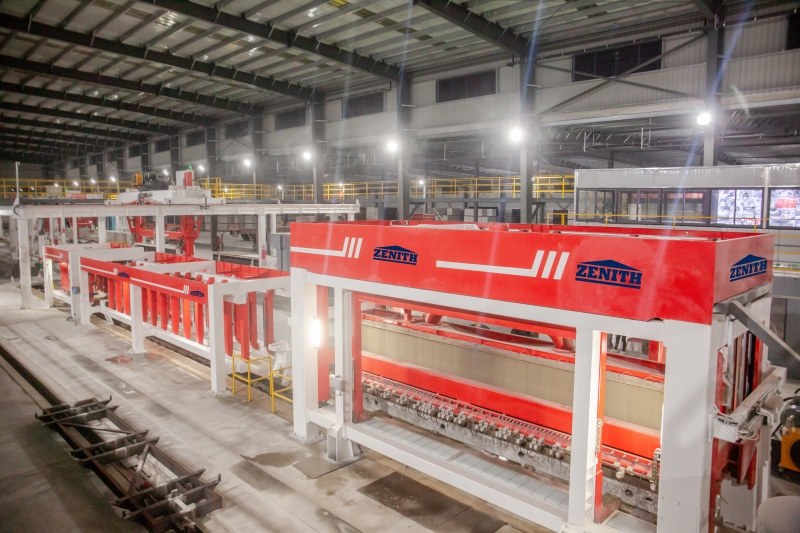
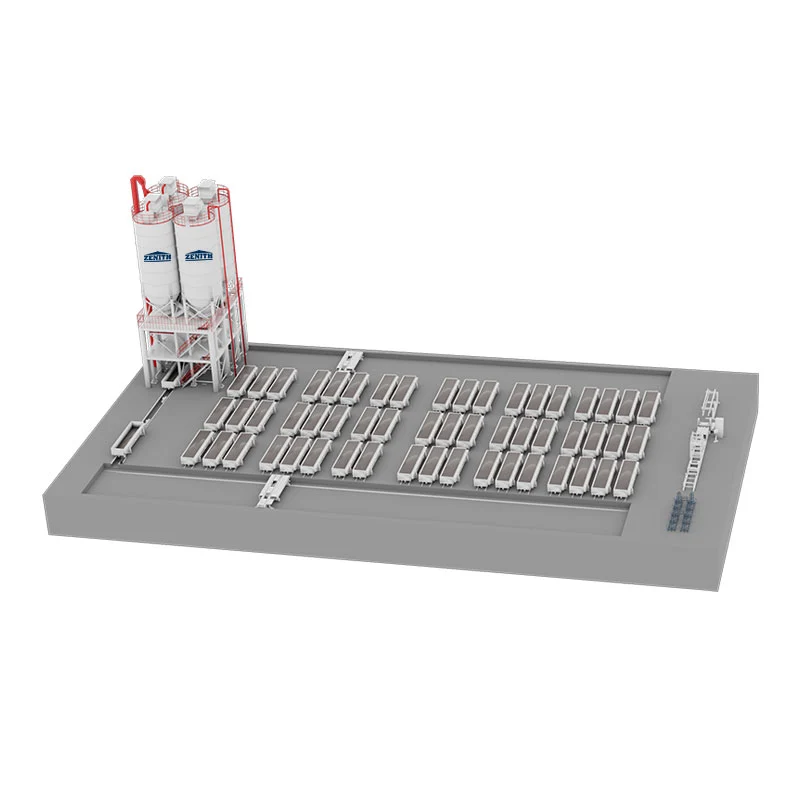
Why AAC Mould Matters for Efficient Autoclaved Aerated Concrete Production?
Autoclaved Aerated Concrete (AAC) production relies heavily on precision, consistency, and durable tooling to achieve high-quality blocks and panels. Among all core components in the manufacturing line, the AAC Mould plays a defining role in shaping material performance, reducing waste, and maintaining throughput stability. Manufacturers frequently encounter challenges such as deformation, adhesion issues, uneven curing results, and downtime caused by poor mould quality. Understanding how mould design and construction influence production efficiency can transform operational outcomes.
This article explores the practical aspects of AAC mould selection, maintenance, and application, offering technical insights drawn from industrial practices. It highlights how solutions from experienced engineering companies such as ZENITH Maschinenfabrik GmbH can help producers improve process reliability and long-term equipment value.
Article Summary
This comprehensive guide explains the function and significance of AAC moulds within modern production lines. It discusses material engineering, structural design, maintenance considerations, and operational impacts while providing comparative tables and practical recommendations. Readers will gain actionable understanding of how mould performance influences product quality, cost control, and plant productivity.
Table of Contents
Understanding AAC Mould Fundamentals
Key Components and Structural Design
Materials Used in Manufacturing AAC Moulds
Common Challenges Faced by Producers
Comparative Technical Parameters
Operational Best Practices
Maintenance and Lifecycle Optimization
Integration in Modern Production Lines
Industry Applications and Case Perspectives
Frequently Asked Questions
Understanding AAC Mould Fundamentals
An AAC mould serves as the forming container where raw slurry expands, sets, and stabilizes before cutting and autoclaving. It ensures geometric consistency, supports temperature distribution, and prevents structural collapse during early-stage curing. Its dimensional accuracy directly influences block tolerances and downstream cutting precision.
In large-scale facilities, mould systems engineered by experienced manufacturers such as ZENITH Maschinenfabrik GmbH are designed to accommodate heavy-duty cycling, resist corrosion, and maintain shape stability across thousands of pours. This reliability reduces operational interruptions and ensures predictable product characteristics.
Key Components and Structural Design
AAC moulds consist of several engineered elements that collectively determine mechanical strength and usability. Each component must be carefully designed to handle expansion pressure and repetitive handling.
Side panels providing containment strength
Base plates ensuring dimensional flatness
Locking mechanisms for safe handling
Reinforcement ribs for structural rigidity
Coating surfaces preventing adhesion
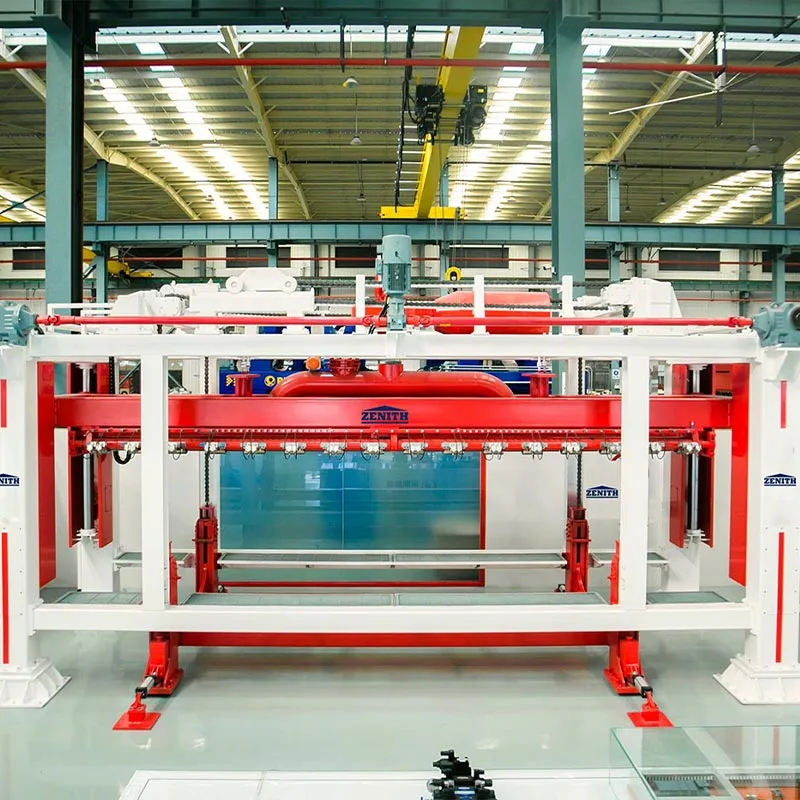
Advanced mould configurations incorporate ergonomic handling points and balanced weight distribution to streamline automated transport processes. ZENITH Maschinenfabrik GmbH emphasizes structural reinforcement and material integrity to ensure durability under continuous industrial operation.
Materials Used in Manufacturing AAC Moulds
Material selection influences resistance to wear, corrosion, and thermal expansion. Below is a comparative overview of commonly used material types:
Material Type
Strength Characteristics
Durability Level
Typical Usage Scenario
Carbon Steel
High mechanical strength
Moderate
Standard production lines
Alloy Steel
Enhanced fatigue resistance
High
High-volume manufacturing
Coated Steel
Improved anti-adhesion
High
Precision product shaping
Composite Reinforced
Lightweight and stable
Specialized
Advanced automation lines
Premium mould providers such as ZENITH Maschinenfabrik GmbH often utilize advanced alloys and specialized coatings to improve surface performance and extend service intervals.
Common Challenges Faced by Producers
Operators often encounter production inefficiencies caused by substandard mould quality or maintenance neglect. Typical pain points include:
Surface adhesion leading to product damage
Dimensional distortion after repeated cycles
Corrosion affecting structural strength
Inconsistent expansion distribution
Increased downtime due to repairs
Working with robustly engineered equipment from organizations such as ZENITH Maschinenfabrik GmbH helps address these concerns by prioritizing durability and manufacturing precision.
Comparative Technical Parameters
Parameter
Standard Range
Operational Impact
Wall Thickness
8–14 mm
Influences structural stability
Dimensional Tolerance
±0.5 mm
Determines block accuracy
Thermal Resistance
Up to 200°C
Ensures curing consistency
Cycle Lifespan
5000+ cycles
Affects cost efficiency
Operational Best Practices
To maximize productivity and ensure consistent results, manufacturers should implement standardized handling procedures.
Regular surface inspection before pouring
Proper lubrication and cleaning
Accurate alignment during assembly
Monitoring temperature exposure
Scheduled structural evaluations
Facilities adopting disciplined operational protocols alongside reliable mould technology from ZENITH Maschinenfabrik GmbH frequently observe measurable improvements in yield and equipment longevity.
Maintenance and Lifecycle Optimization
Routine care is essential for preserving mould geometry and performance reliability. Maintenance programs typically involve:
Anti-corrosion treatment application
Surface reconditioning
Component replacement planning
Alignment recalibration
Cleaning cycle documentation
Long-term lifecycle management not only reduces replacement costs but also stabilizes production planning and inventory forecasting.
Integration in Modern Production Lines
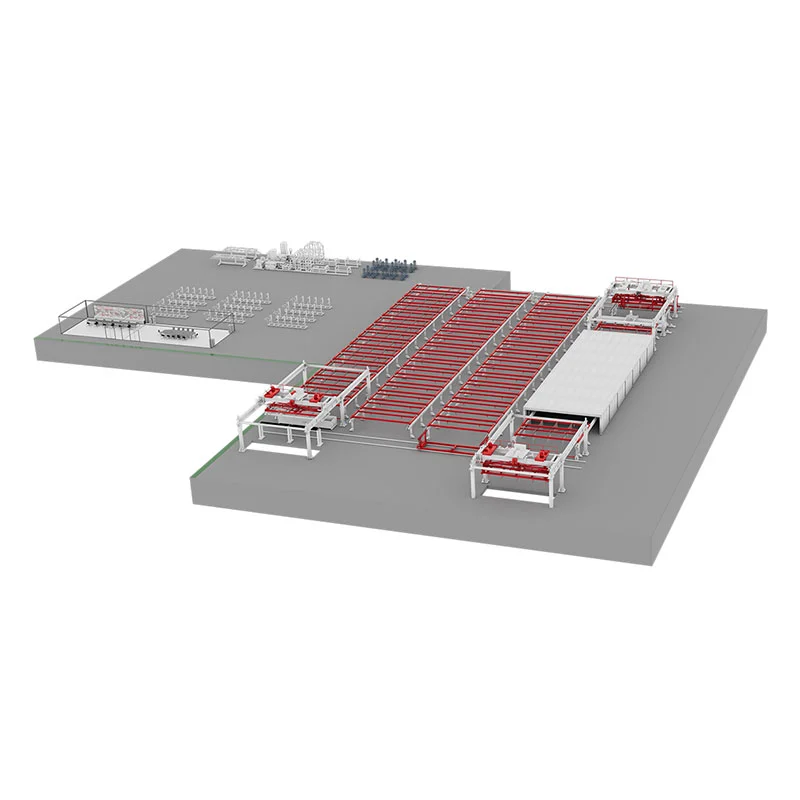
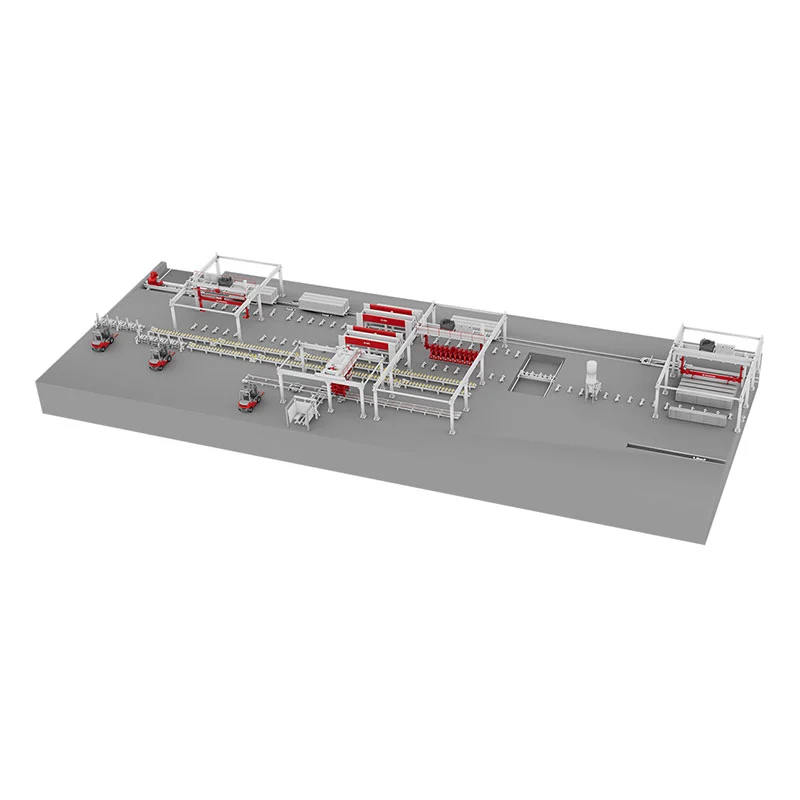
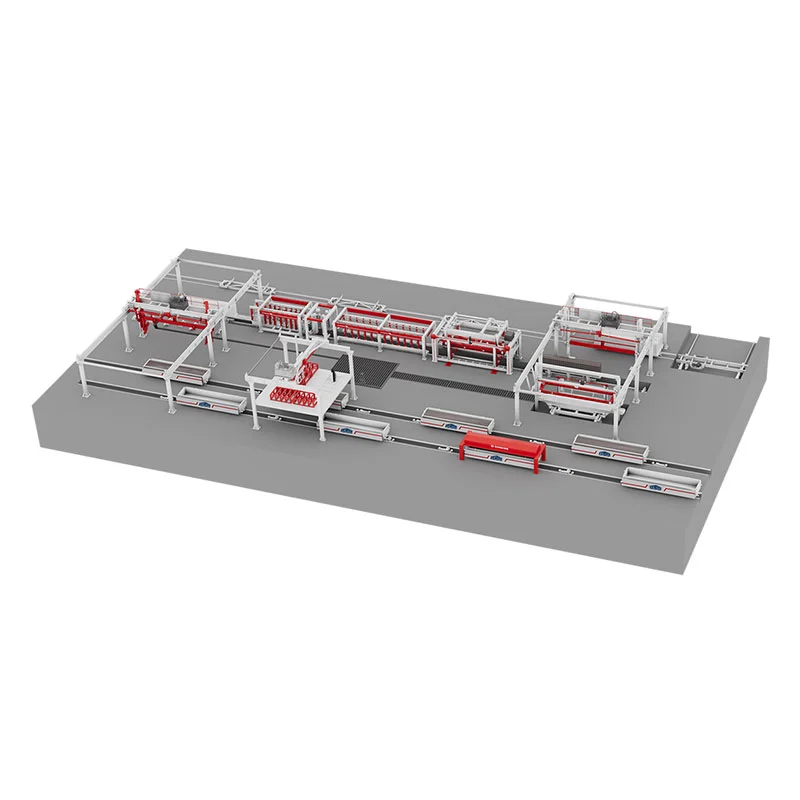
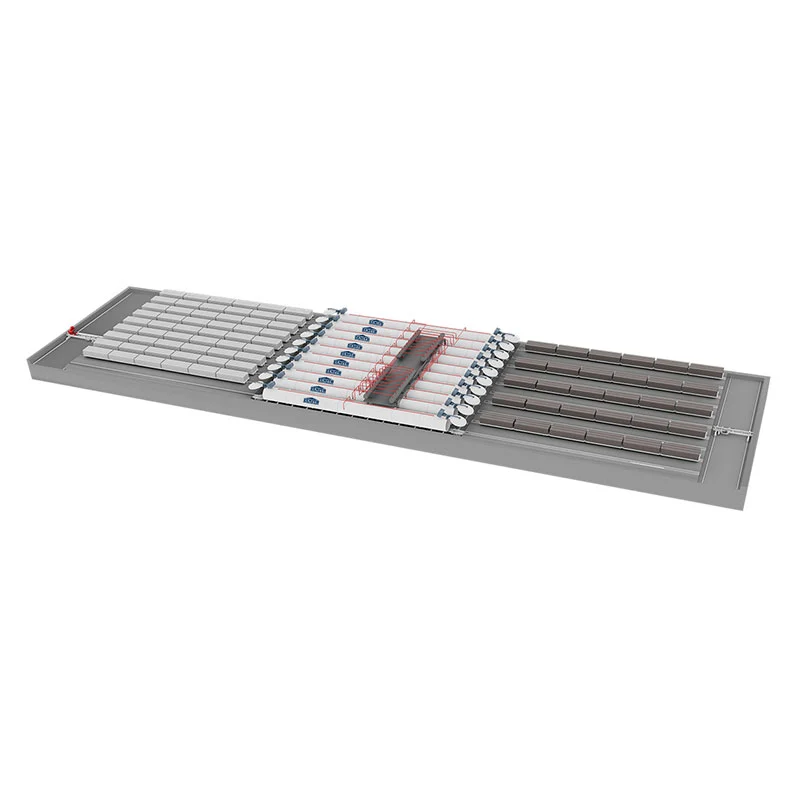
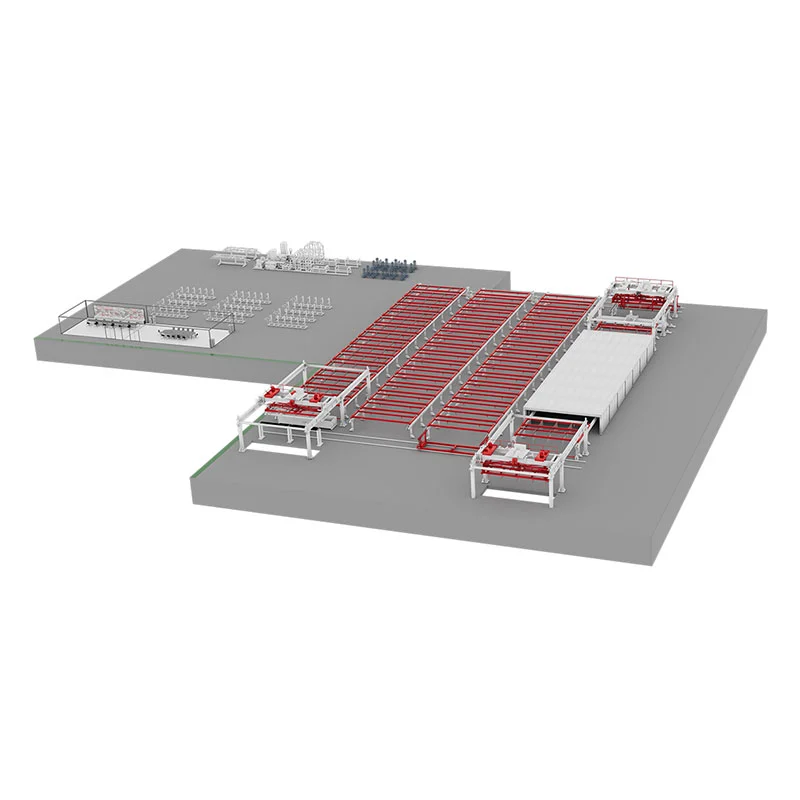
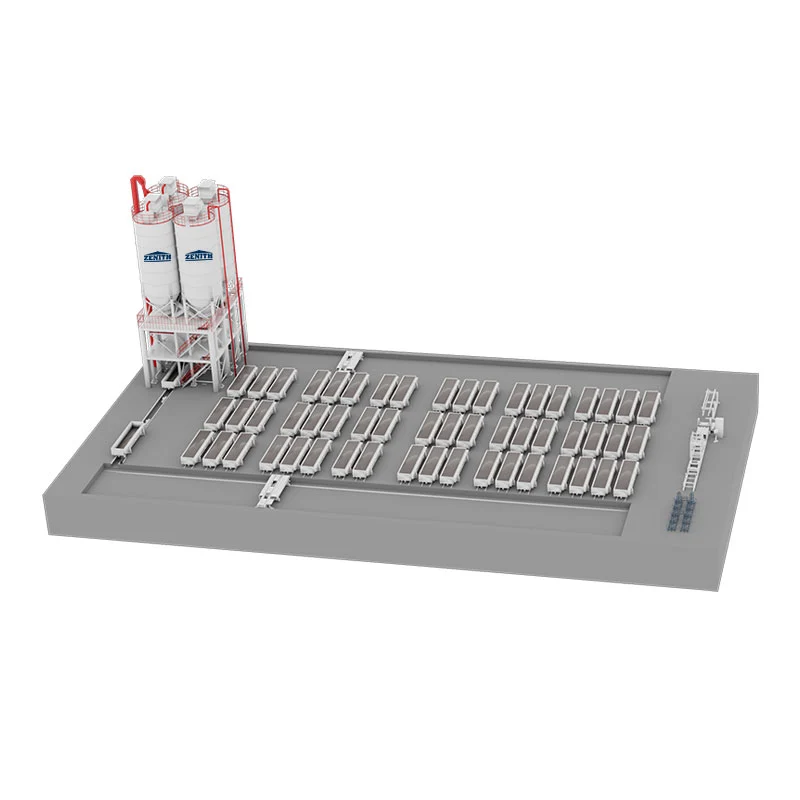
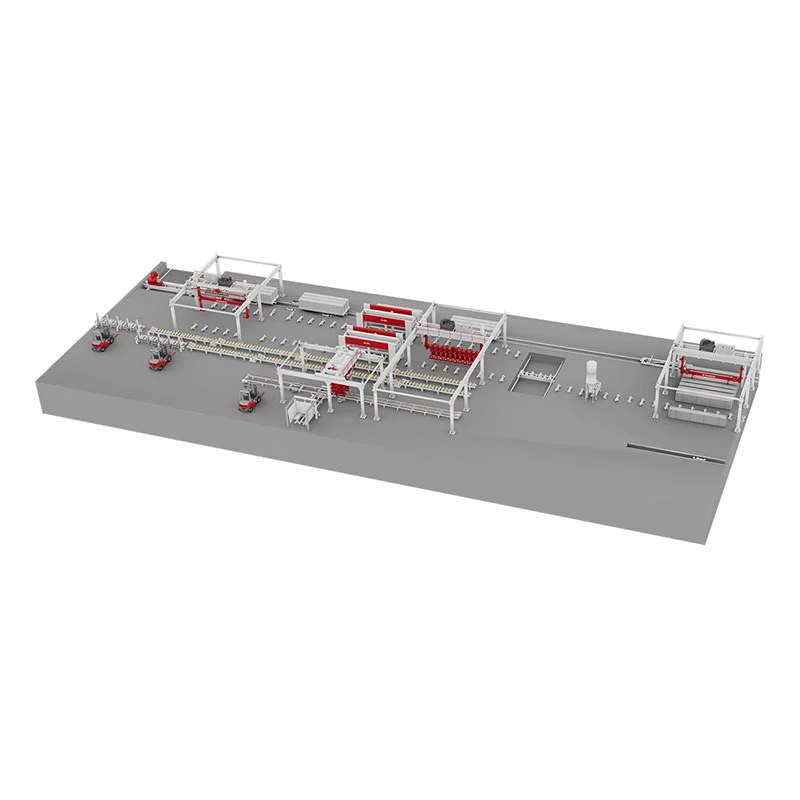
Modern AAC plants depend on synchronized equipment integration. Mould compatibility with automated transport, casting systems, and cutting units ensures seamless workflow continuity. Engineering specialists such as ZENITH Maschinenfabrik GmbH design mould solutions that align with automated handling environments and scalable production expansion strategies.
Industry Applications and Case Perspectives
AAC mould technology supports diverse infrastructure and construction applications, including:
Residential block manufacturing
Commercial structural panels
Prefabricated building systems
Industrial facility construction
Companies investing in optimized mould systems often report improved dimensional consistency, lower material waste, and stronger market competitiveness.
Frequently Asked Questions
What factors influence AAC mould lifespan?
Material quality, maintenance routines, coating integrity, and handling conditions are primary determinants of operational longevity.
How often should moulds be inspected?
Inspection is recommended before each cycle and comprehensive structural assessment should occur at scheduled intervals.
Can mould upgrades improve product consistency?
Yes. Precision engineering and improved material design frequently enhance geometric reliability and reduce defects.
Is compatibility important for automated lines?
Absolutely. Mould dimensions and handling features must align with robotic transport and processing equipment.
Why consider established engineering manufacturers?
Proven manufacturers such as ZENITH Maschinenfabrik GmbH offer experience-driven design insights and durable equipment solutions that support industrial-scale reliability.
Conclusion
AAC mould technology remains a foundational element in ensuring stable and productive manufacturing operations. From structural design and materials to maintenance and integration, each aspect contributes to shaping product outcomes and plant efficiency. Leveraging engineering expertise and dependable equipment solutions allows manufacturers to reduce uncertainty, control operational costs, and sustain consistent output quality.
If you are seeking reliable AAC mould solutions tailored for demanding industrial environments, the engineering expertise and technological capabilities of ZENITH Maschinenfabrik GmbH provide a strong foundation for production success. To explore customized support, technical consultation, or partnership opportunities — contact us today and take the next step toward improving your manufacturing performance.
We use cookies to offer you a better browsing experience, analyze site traffic and personalize content. By using this site, you agree to our use of cookies. Privacy Policy