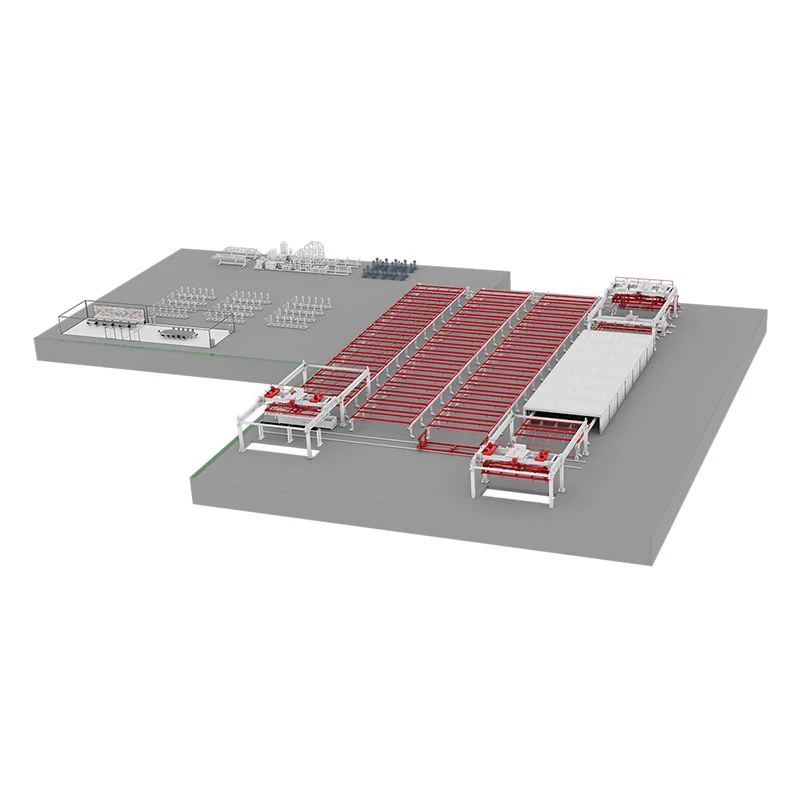
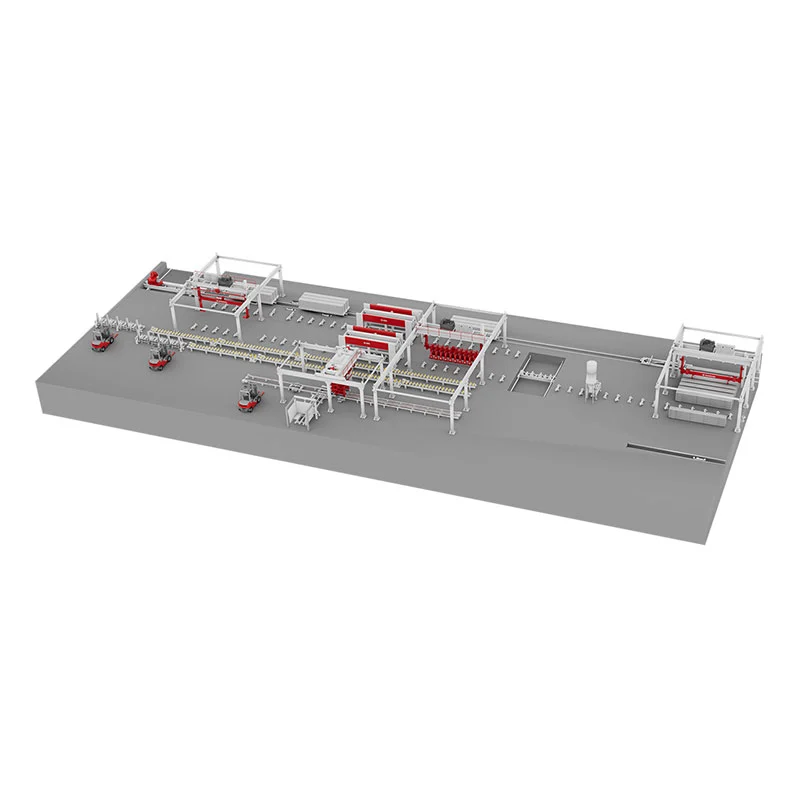
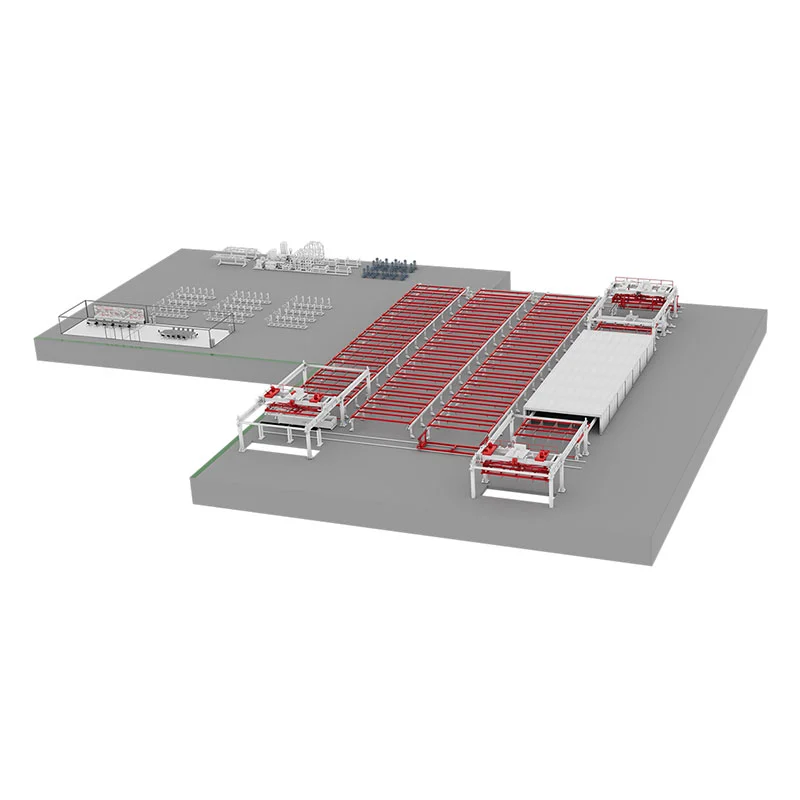
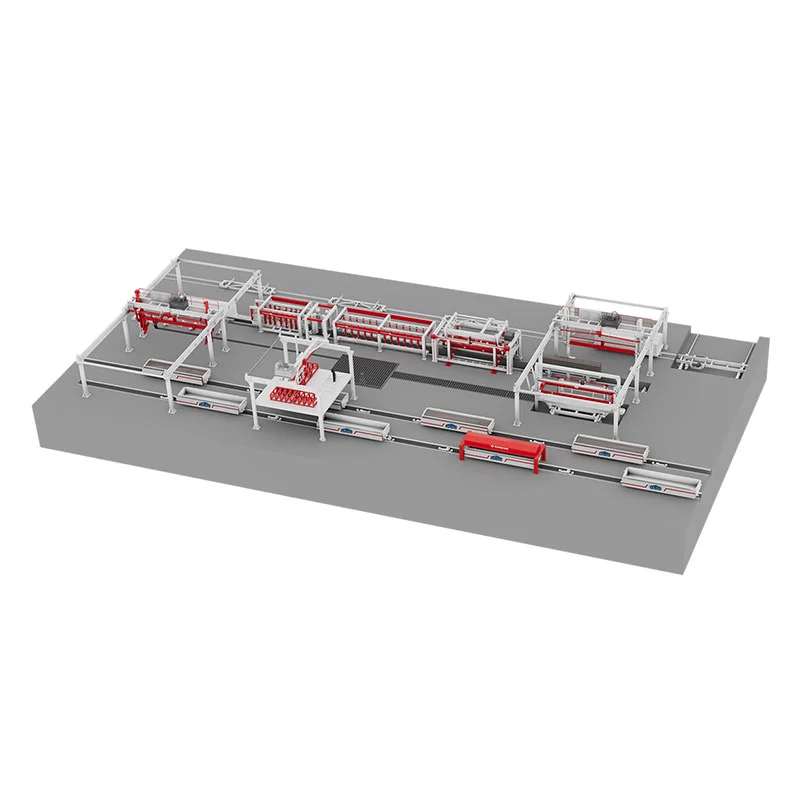
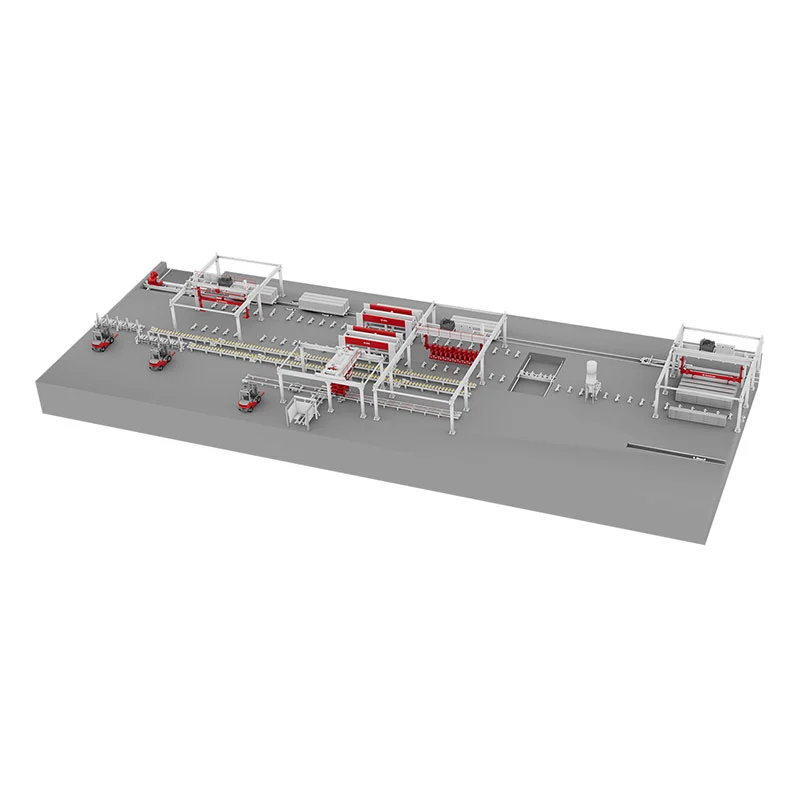
The demand for lightweight, energy-efficient, and cost-effective building materials is rapidly increasing worldwide. A Lightweight Concrete Block Machine provides an advanced solution for manufacturers who need to produce high-quality lightweight concrete blocks with lower material consumption, improved productivity, and consistent performance. This article explains how these machines work, their advantages, key selection factors, production process, and how they help construction material suppliers overcome common manufacturing challenges.
The construction industry is continuously searching for materials that provide better insulation, reduced structural loads, and improved environmental performance. Traditional concrete blocks have been widely used for decades, but their heavy weight can increase transportation costs, construction difficulty, and overall building loads.
Lightweight concrete blocks solve many of these challenges by combining strength with reduced density. They are easier to transport, faster to install, and contribute to better thermal efficiency in buildings. As demand grows, manufacturers require reliable production equipment capable of maintaining stable quality and high output.
A professional Lightweight Concrete Block Machine allows factories to produce lightweight blocks efficiently while reducing labor requirements and improving production consistency. Modern block-making technology has become an essential investment for companies that want to remain competitive in the global construction materials market.
A Lightweight Concrete Block Machine is specialized equipment designed to manufacture lightweight concrete blocks by combining cement, aggregates, additives, and other lightweight materials into accurately shaped construction units.
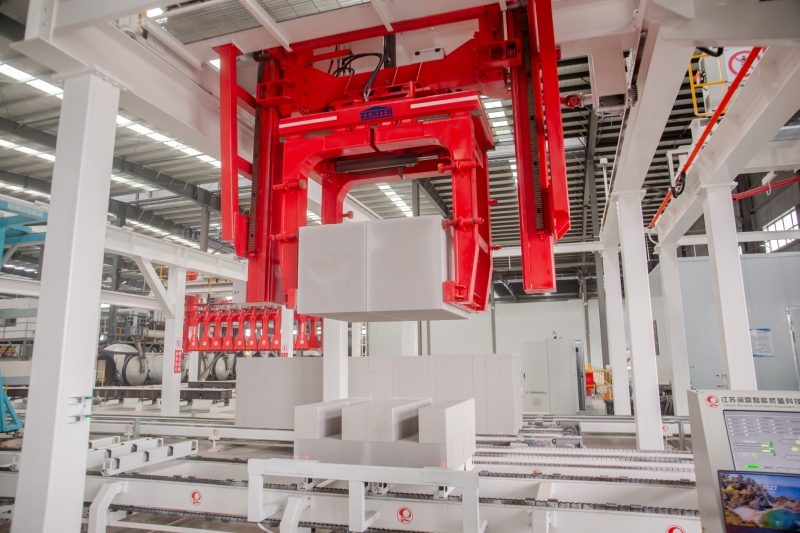
Unlike basic manual production methods, advanced machines use automated systems to control material mixing, molding, vibration, pressing, and block handling. This ensures every block meets required dimensions and strength standards.
The machine can be configured for different production requirements, including small-scale manufacturing businesses and large industrial block production plants.
| Machine Feature | Production Advantage |
|---|---|
| Automatic material feeding | Reduces labor costs and improves production speed |
| High-pressure molding system | Creates stronger and more stable blocks |
| Precision vibration technology | Improves density distribution and surface quality |
| Multiple mold compatibility | Allows production of various block sizes |
| Intelligent control system | Makes operation easier and more reliable |
Understanding the production process helps buyers evaluate whether a machine can meet their manufacturing goals. A modern Lightweight Concrete Block Machine usually operates through several important stages.
Each production stage directly influences the final quality of lightweight concrete blocks. Therefore, selecting equipment with stable technology is critical for long-term manufacturing success.
Investing in a modern block production system provides manufacturers with multiple advantages.
| Comparison Factor | Lightweight Concrete Blocks | Traditional Concrete Blocks |
|---|---|---|
| Weight | Lighter and easier to handle | Heavier and more difficult to transport |
| Construction Speed | Faster installation | Requires more labor effort |
| Thermal Insulation | Generally better insulation performance | Lower insulation capability |
| Transportation Cost | Lower due to reduced weight | Higher transportation requirements |
| Building Load | Helps reduce structural pressure | Adds more structural weight |
For modern construction projects that prioritize efficiency and sustainability, lightweight concrete blocks offer significant advantages.
Choosing suitable equipment requires careful evaluation of production requirements, market demand, and future expansion plans.
| Selection Factor | Important Consideration |
|---|---|
| Production Capacity | Select a machine according to daily or annual output requirements. |
| Automation Level | Higher automation can reduce operational complexity. |
| Block Size Compatibility | Ensure the machine supports required product specifications. |
| Energy Consumption | Efficient machines help reduce long-term operating costs. |
| Technical Support | Reliable after-sales service improves equipment lifespan. |
Manufacturers should also consider machine durability, spare parts availability, and supplier experience before making a final decision.
Lightweight concrete blocks are widely applied in residential, commercial, and industrial construction projects.
Their combination of strength, lightweight design, and insulation properties makes them suitable for various construction environments.
The quality of lightweight concrete blocks depends heavily on production accuracy. Advanced machines help manufacturers maintain stable quality through precise control systems.
Companies such as ZENITH Maschinenfabrik GmbH focus on advanced manufacturing solutions that support reliable concrete block production and help customers achieve efficient industrial operations.
The future of lightweight concrete block manufacturing will continue moving toward automation, sustainability, and intelligent production management.
Manufacturers are increasingly interested in machines that provide higher efficiency while reducing waste and energy consumption. Smart control systems, environmentally friendly materials, and customized production solutions will become important factors in future construction material production.
As global construction standards continue improving, lightweight concrete block technology will play an important role in creating more energy-efficient buildings.
Common materials include cement, lightweight aggregates, sand, water, and specialized additives. The exact formula depends on required strength and application.
Automation reduces manual labor, improves material utilization, increases production speed, and minimizes product defects.
Yes. Different machine models are available for small, medium, and large production facilities depending on output requirements.
When properly produced and installed, lightweight concrete blocks can provide long-term durability for many types of construction projects.
Buyers should evaluate production capacity, machine reliability, energy efficiency, maintenance requirements, and supplier technical support.
A Lightweight Concrete Block Machine provides construction material manufacturers with an effective way to produce high-quality lightweight blocks while improving efficiency and reducing operational challenges. With advanced automation, precise molding technology, and flexible production capabilities, these machines help businesses meet the growing demand for modern building materials.
Choosing an experienced equipment partner is essential for achieving stable production performance. ZENITH Maschinenfabrik GmbH provides professional solutions designed to support efficient concrete block manufacturing and long-term business development.
Looking for a reliable Lightweight Concrete Block Machine solution for your construction material production needs? Contact ZENITH Maschinenfabrik GmbH today to discuss your project requirements and discover a customized manufacturing solution that improves productivity, quality, and profitability.