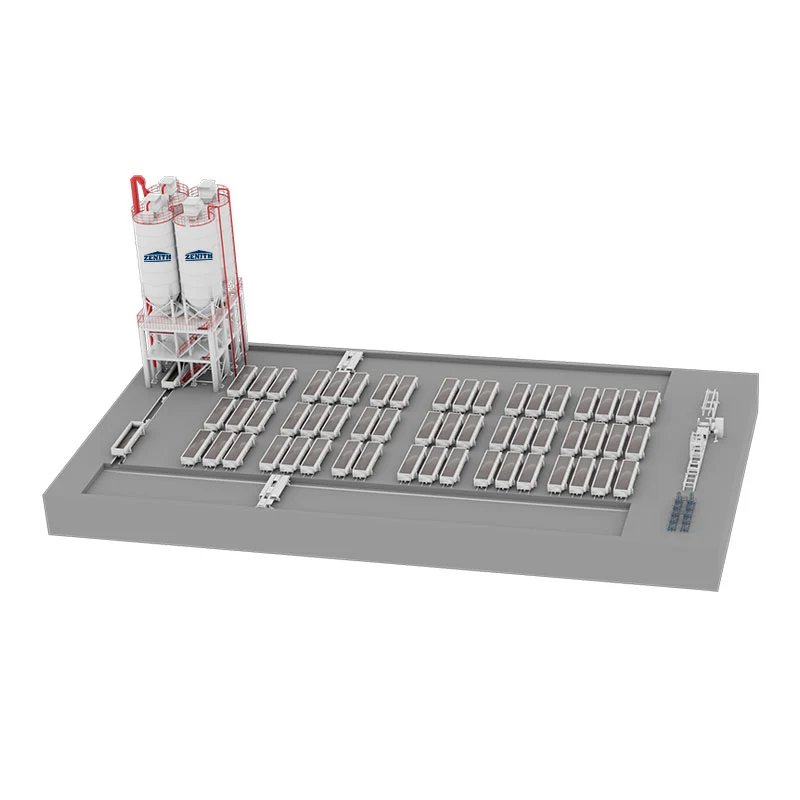
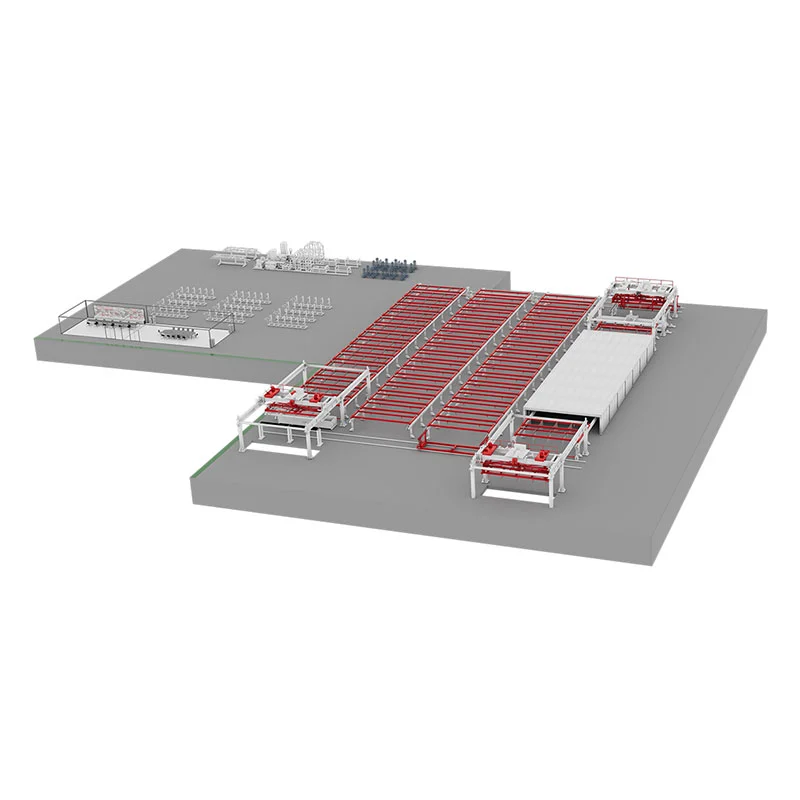
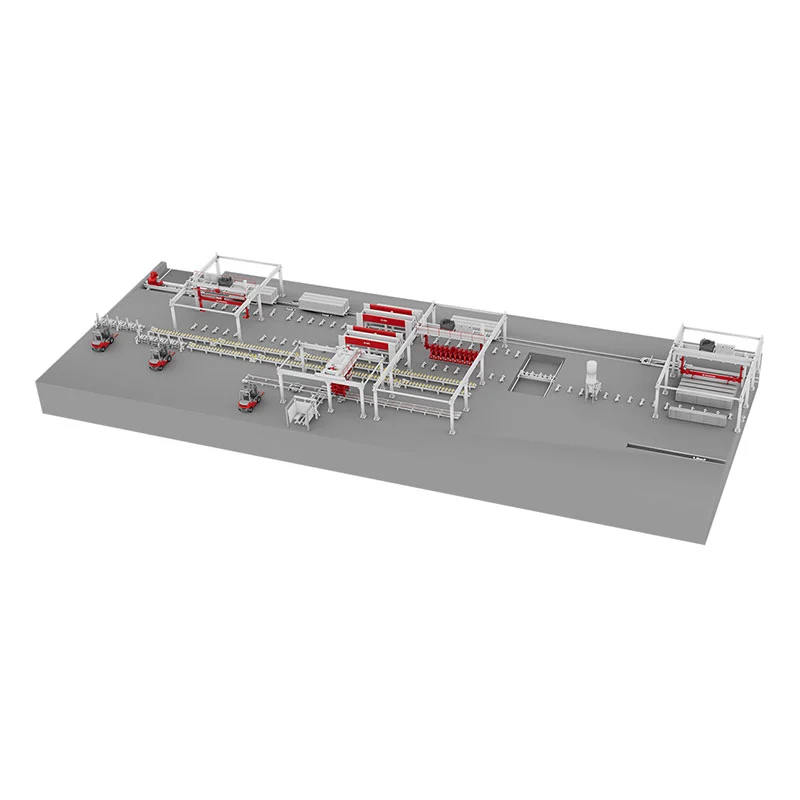
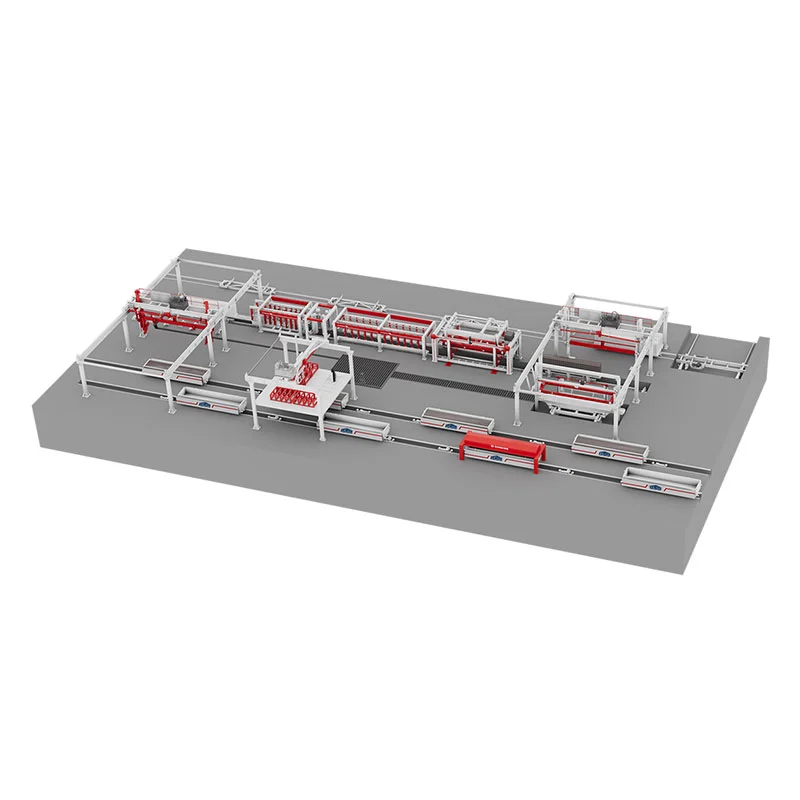
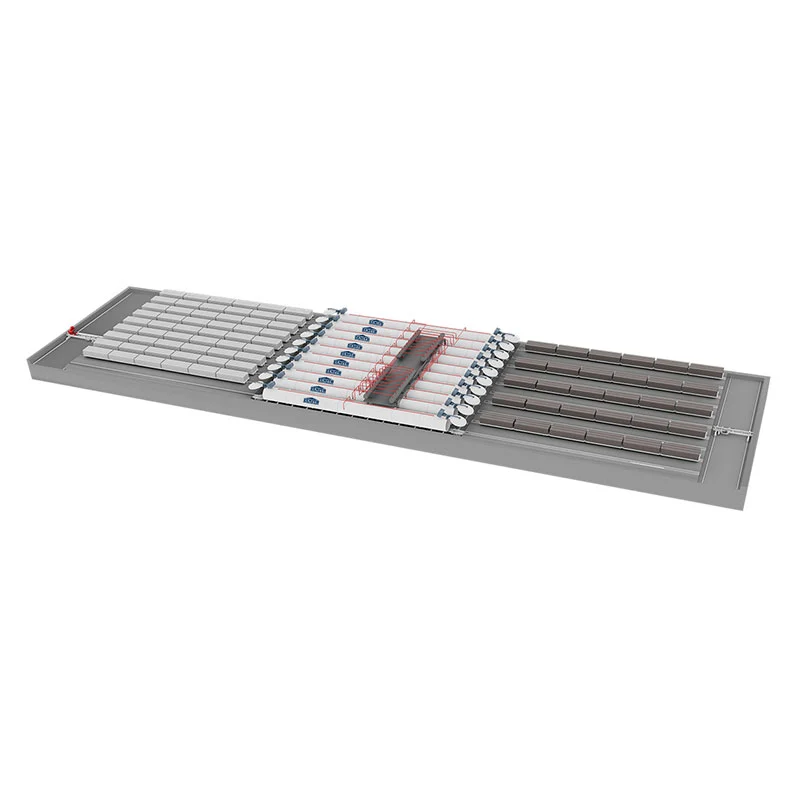
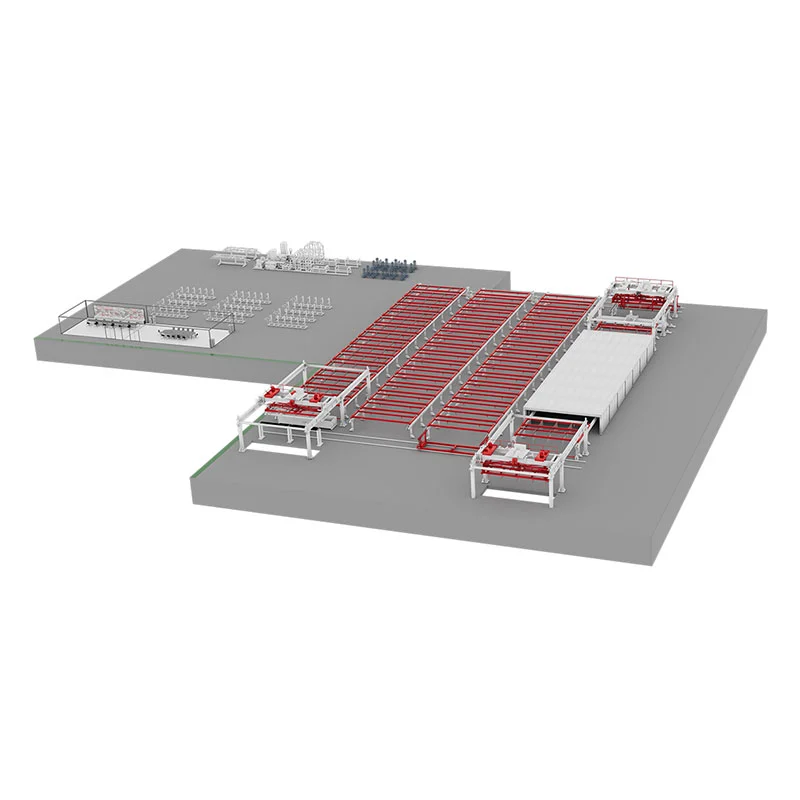
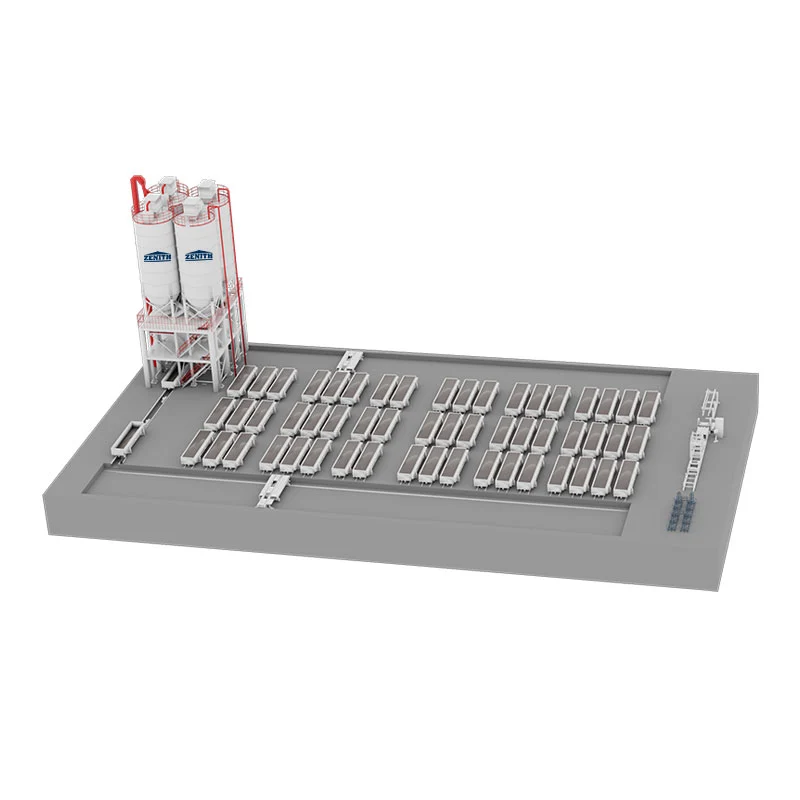
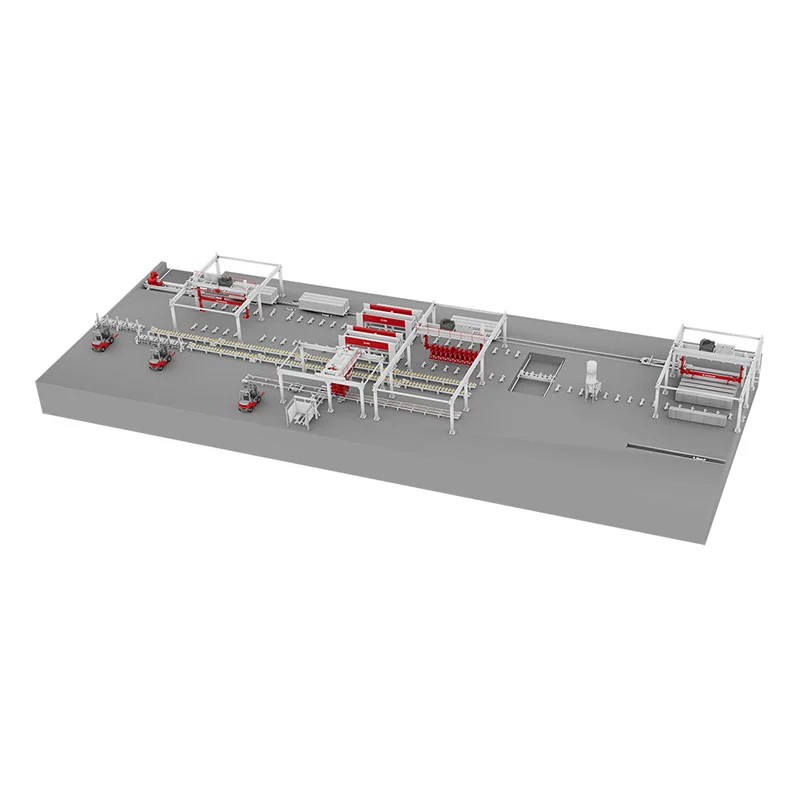
The efficiency of an AAC sheet production line is never determined by a single machine or isolated parameter. In real manufacturing environments, efficiency reflects how well equipment design, process control, material handling, and operational stability work together. From our factory perspective, long term output consistency and cost control depend on how each stage of AAC Sheet Production Line Equipment is engineered to cooperate with the next. Over years of field operation, our team has observed that plants achieving stable productivity usually focus on system level optimization rather than individual upgrades.
How Does Raw Material Preparation Affect Equipment Efficiency?
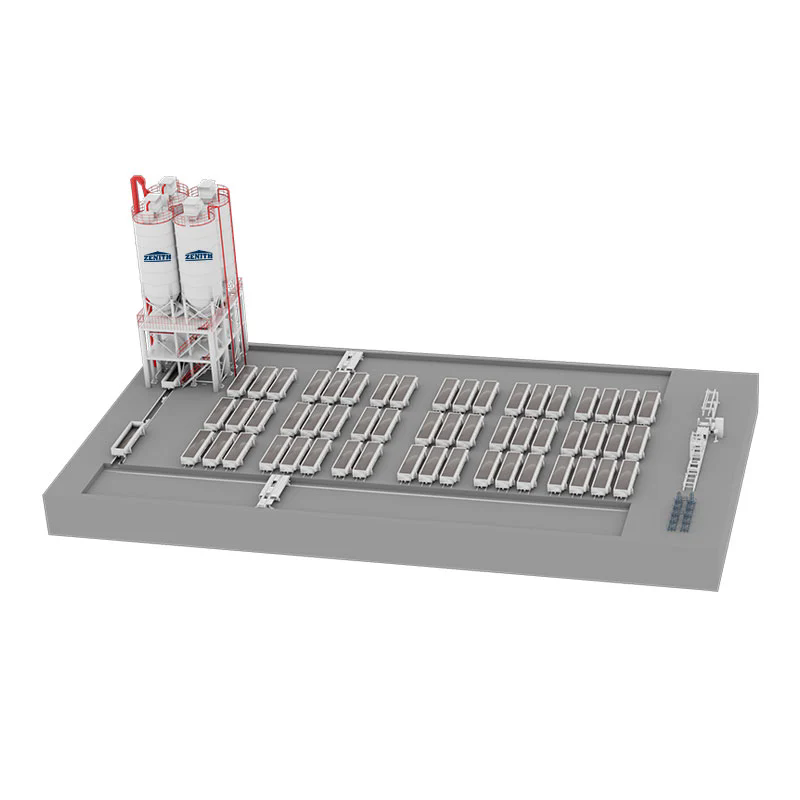
Raw material preparation is the foundation of efficient AAC sheet production. The fineness of sand milling, lime reactivity, and slurry consistency directly influence downstream performance. If raw materials are not uniformly processed, equipment loads fluctuate and cycle times become unstable. In our factory, raw material systems are designed to maintain consistent particle size distribution and controlled slurry density, allowing AAC Sheet Production Line Equipment to operate within its optimal load range.
Zenith places strong emphasis on automated batching and mixing systems. These systems reduce manual intervention and help maintain repeatable process parameters. Our experience shows that stable raw material preparation not only improves cutting accuracy but also reduces mechanical wear on mixers, pumps, and mold handling units.
Why Is Molding and Pre Curing Control Critical to Line Performance?
Molding and pre curing stages directly influence cycle time and dimensional stability of AAC sheets. Uneven temperature distribution or inconsistent expansion can create downstream bottlenecks. From our operational data, precise control during this stage allows the entire line to run at a predictable rhythm. Our factory integrates temperature monitoring and expansion control to ensure molds are released at the correct strength window.
A well designed molding section allows AAC Sheet Production Line Equipment to maintain synchronized movement between casting, pre curing chambers, and cutting units. Zenith engineers focus on minimizing idle time between these stages, which significantly improves overall equipment utilization.
How Does Cutting Accuracy Influence Production Throughput?
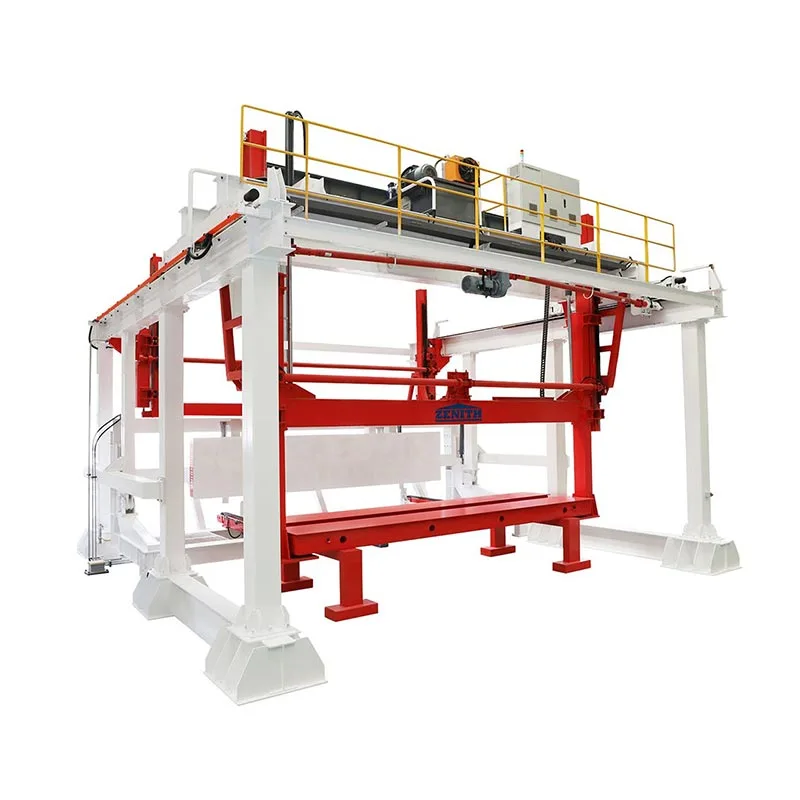
Cutting accuracy has a direct relationship with throughput and material yield. Poor cutting precision leads to rejected sheets, rework, and line interruptions. Our factory prioritizes cutting frame rigidity, wire tension control, and servo driven positioning systems to maintain consistent tolerances. When cutting accuracy is stable, downstream handling and autoclaving can proceed without delays.
The table below outlines key cutting parameters and their impact on production efficiency.
Parameter
Operational Range
Impact on Efficiency
Production Benefit
Wire tension
Stable controlled range
Reduces cutting deviation
Higher yield rate
Frame rigidity
High structural stiffness
Prevents vibration
Consistent sheet dimensions
Positioning accuracy
Millimeter level control
Improves repeatability
Lower scrap ratio
What Role Does Autoclaving Play in Equipment Efficiency?
Autoclaving is often the most energy intensive stage of AAC sheet production, and its efficiency strongly affects overall operating costs. Proper pressure ramping, temperature uniformity, and cycle scheduling are essential. In our factory, autoclave systems are designed to match the output rhythm of upstream AAC Sheet Production Line Equipment, preventing accumulation or idle time.
Zenith applies optimized steam distribution and automated control logic to stabilize curing cycles. Our operational feedback shows that balanced autoclave loading and accurate cycle timing help extend equipment service life while maintaining consistent product strength.
How Does Automation Level Influence Overall Line Efficiency?
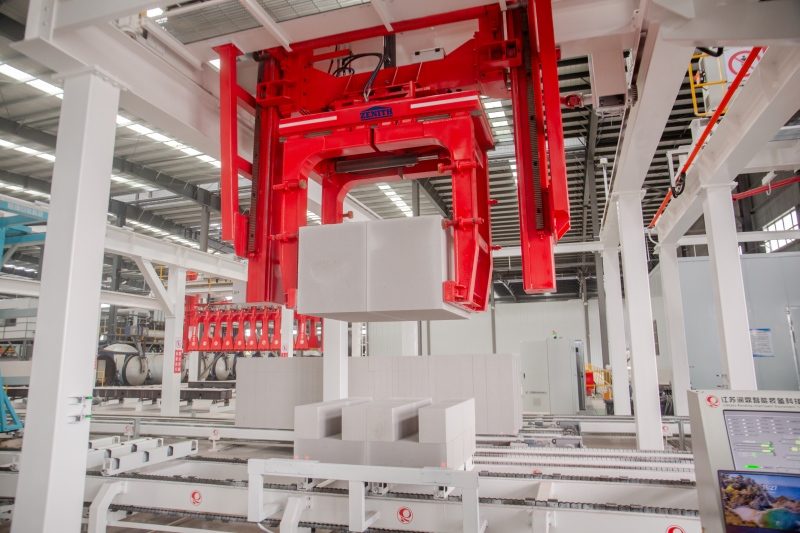
Automation level is a decisive factor in modern AAC plants. Automated transport, stacking, and control systems reduce dependency on manual operations and improve repeatability. Our factory integrates centralized control platforms that allow operators to monitor key parameters in real time. This approach enables quicker adjustments and minimizes unplanned downtime.
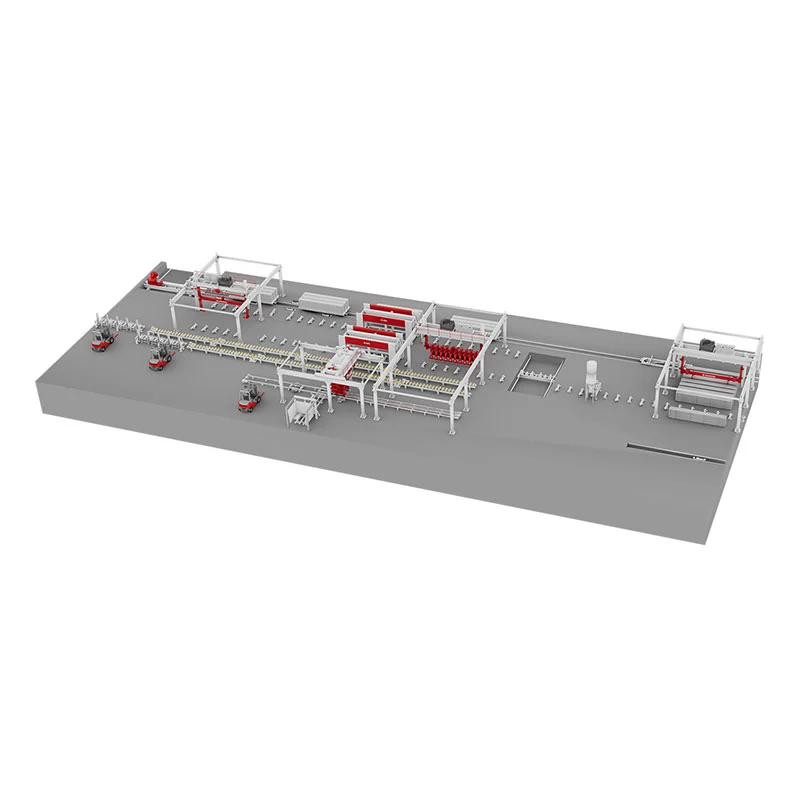
When AAC Sheet Production Line Equipment operates under unified control logic, data from each section can be used to optimize the entire line. Zenith focuses on reducing transition delays between processes, which helps plants achieve stable daily output targets.
Why Is Equipment Reliability and Maintenance Strategy Important?
Even well designed equipment cannot perform efficiently without proper maintenance planning. Reliability affects not only uptime but also process stability. In our factory, maintenance access and component standardization are considered during equipment design. This allows faster inspection and replacement without extensive shutdowns.
The table below summarizes common reliability factors and their influence on line efficiency.
Reliability Factor
Design Focus
Operational Effect
Efficiency Outcome
Component standardization
Unified spare parts
Faster maintenance
Reduced downtime
Structural durability
Heavy duty frames
Lower failure rate
Stable long term output
Maintenance accessibility
Open layout design
Shorter service cycles
Higher equipment availability
What Factors Influence the Overall Efficiency of AAC Sheet Production Line Equipment? FAQ
Q1: How does synchronization between equipment sections affect efficiency?
Synchronization ensures that each process stage feeds the next without interruption. When casting, cutting, and autoclaving operate at balanced cycle times, material flow remains continuous and equipment utilization improves significantly.
Q2: Why is energy management important for overall production efficiency?
Energy consumption directly affects operating costs and equipment stress. Optimized energy management reduces thermal losses and prevents overload conditions, allowing equipment to run smoothly over extended periods.
Q3: Can upgrading individual machines improve overall line efficiency?
Upgrading individual machines can help, but the greatest efficiency gains come from system level optimization. Equipment must be evaluated as an integrated production line rather than isolated units.
Conclusion
The overall efficiency of AAC sheet production depends on coordinated equipment design, stable process control, reliable operation, and skilled management. From raw material preparation to autoclaving and handling, every stage contributes to the final output performance. Our team focuses on delivering balanced AAC Sheet Production Line Equipment solutions that support long term productivity and cost efficiency. If you are planning to upgrade an existing plant or develop a new production line, contact us to discuss how our engineering expertise and practical experience can support your project goals.
We use cookies to offer you a better browsing experience, analyze site traffic and personalize content. By using this site, you agree to our use of cookies. Privacy Policy