ZENITH Maschinenfabrik GmbH

What Is an AAC Brick Block Making Machine?

2026-01-05 0 Leave me a message
What Is an AAC Brick Block Making Machine?

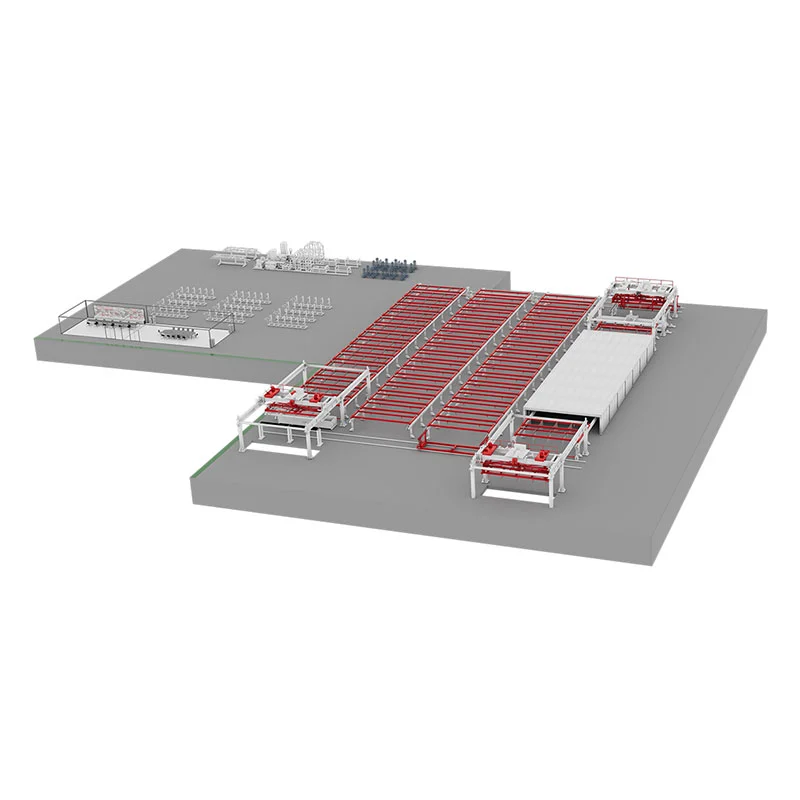
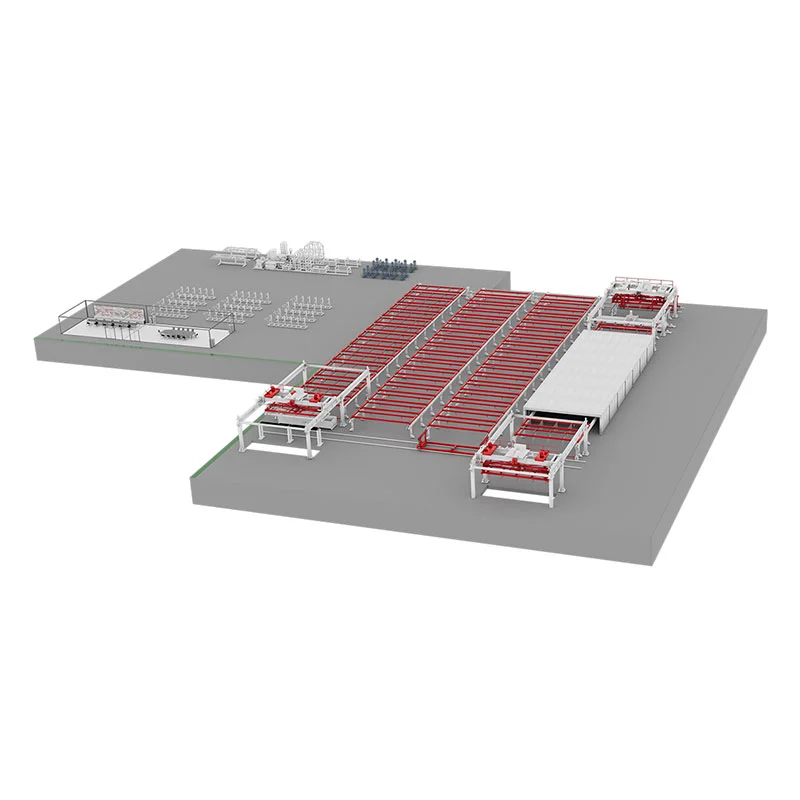
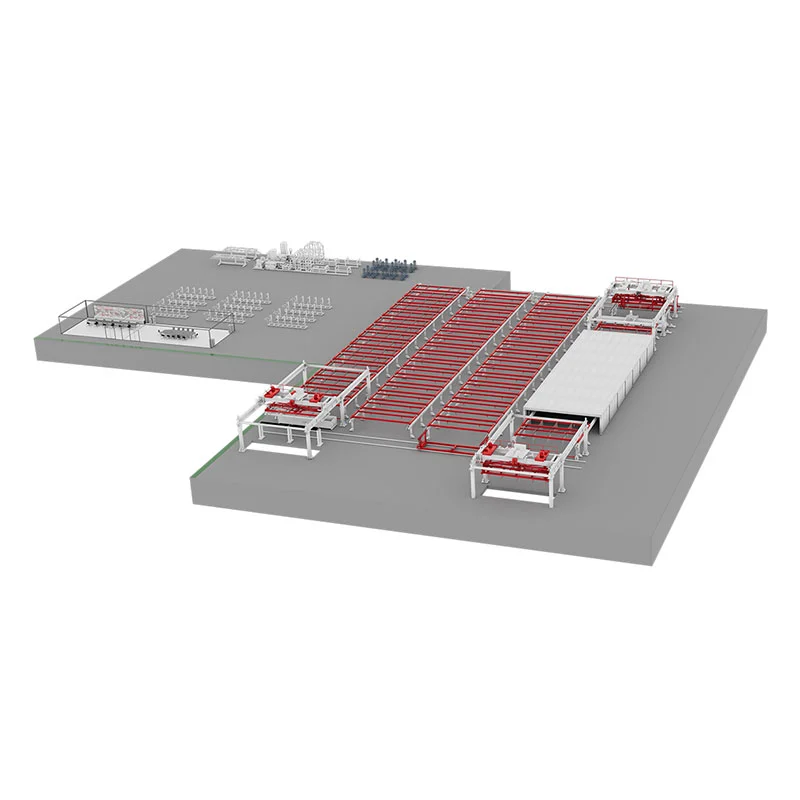
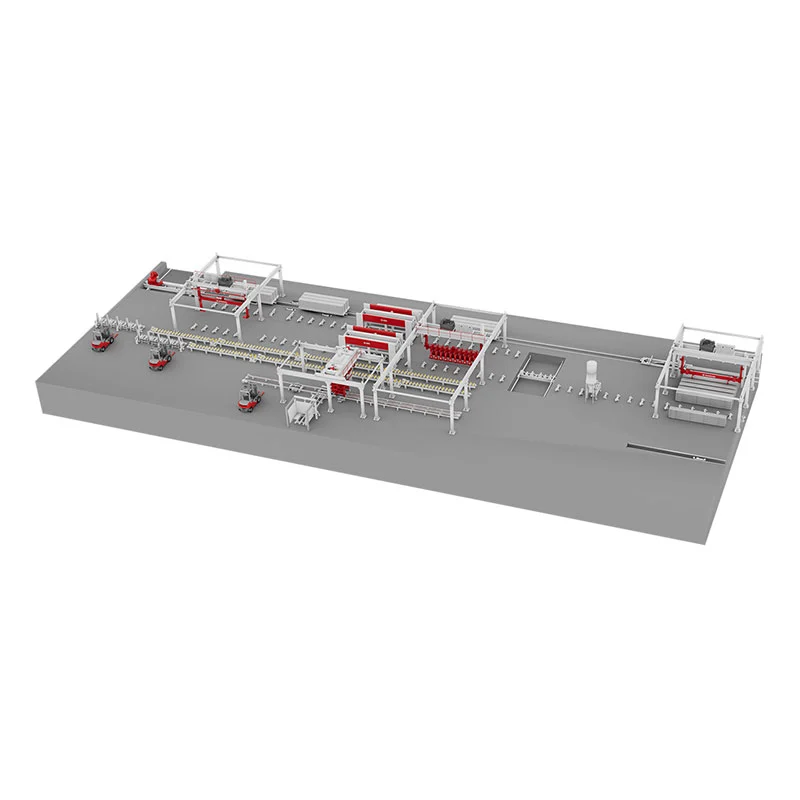
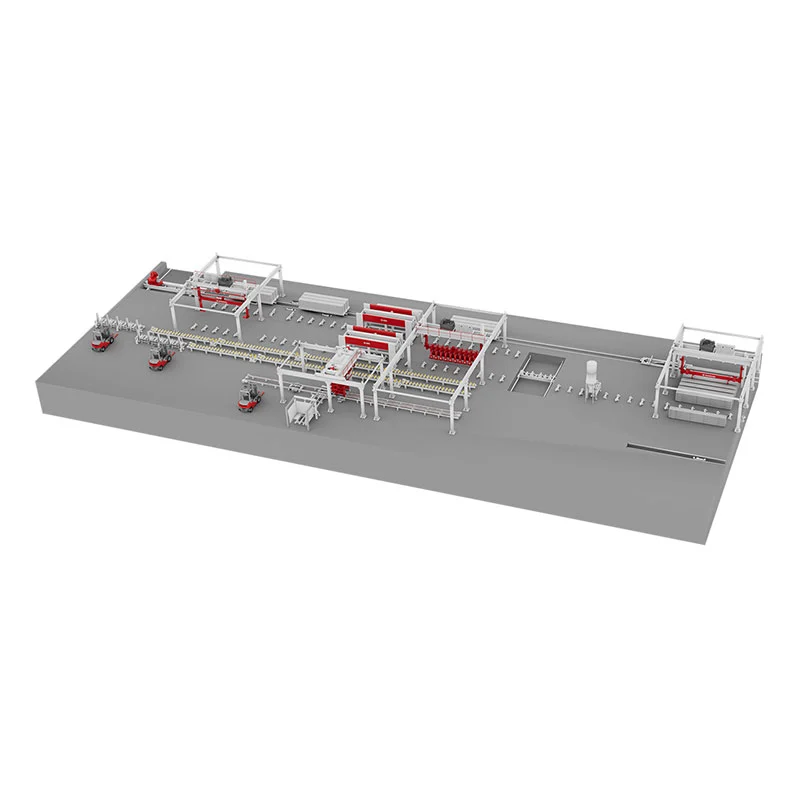
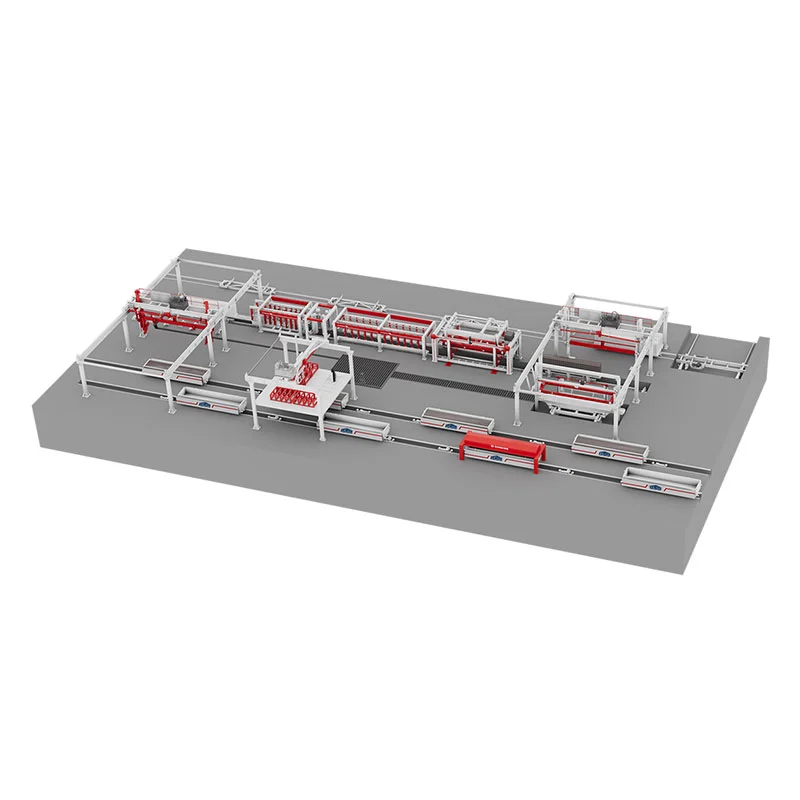
AAC Brick Block Making Machine is a specialized industrial system used to produce Autoclaved Aerated Concrete (AAC) blocks, which are lightweight building materials widely used in modern construction. These machines combine precision engineering with automated controls to manufacture energy-efficient, fire-resistant, and cost-effective blocks.

AAC Brick Block Making Machine

Table of Contents:


What Is AAC Block?

Autoclaved Aerated Concrete (AAC) blocks are lightweight, precast building materials made from cement, lime, sand, water, and an expansion agent. They have a unique cellular structure with microscopic air pockets, offering excellent insulation, fire resistance, and reduced weight compared to traditional bricks.

Because of its energy-saving and sustainable properties, AAC blocks have become popular in residential, commercial, and industrial construction. AAC blocks provide better thermal insulation than red clay bricks and are environmentally friendly due to lower material consumption and reduced waste in production.


How Does an AAC Brick Block Making Machine Work?

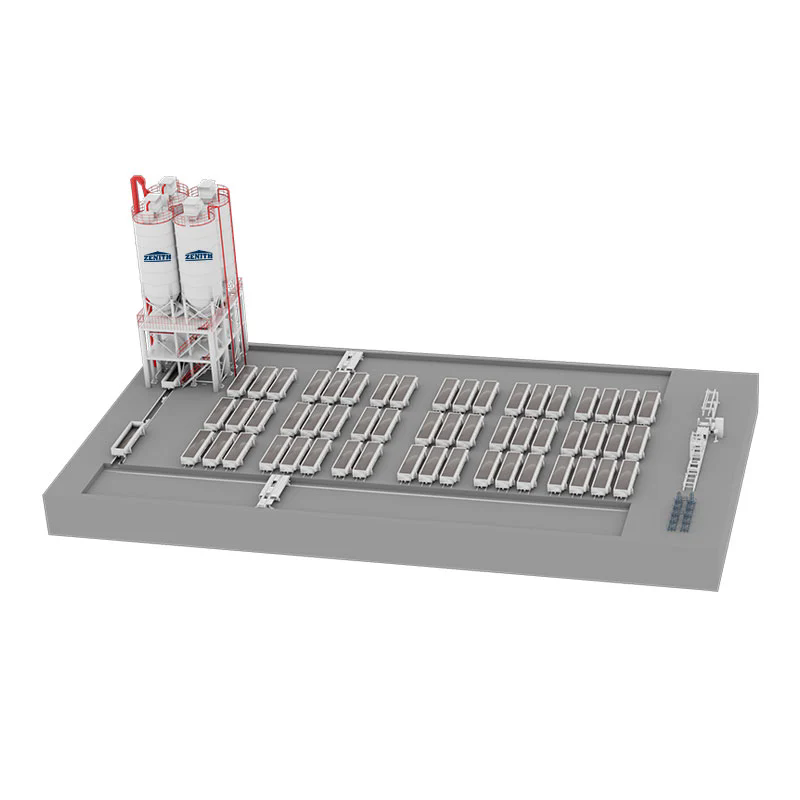
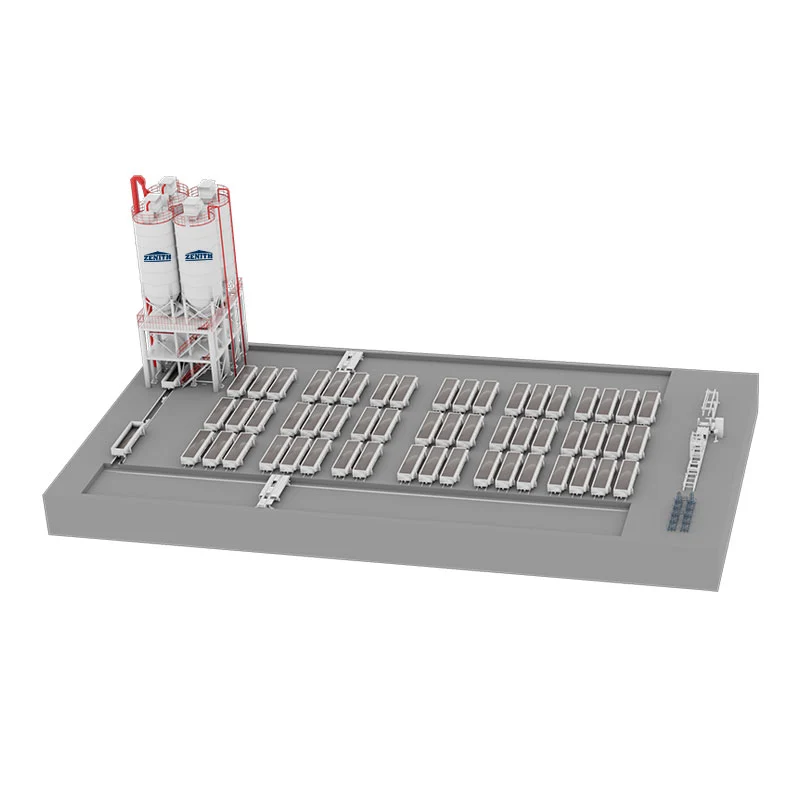
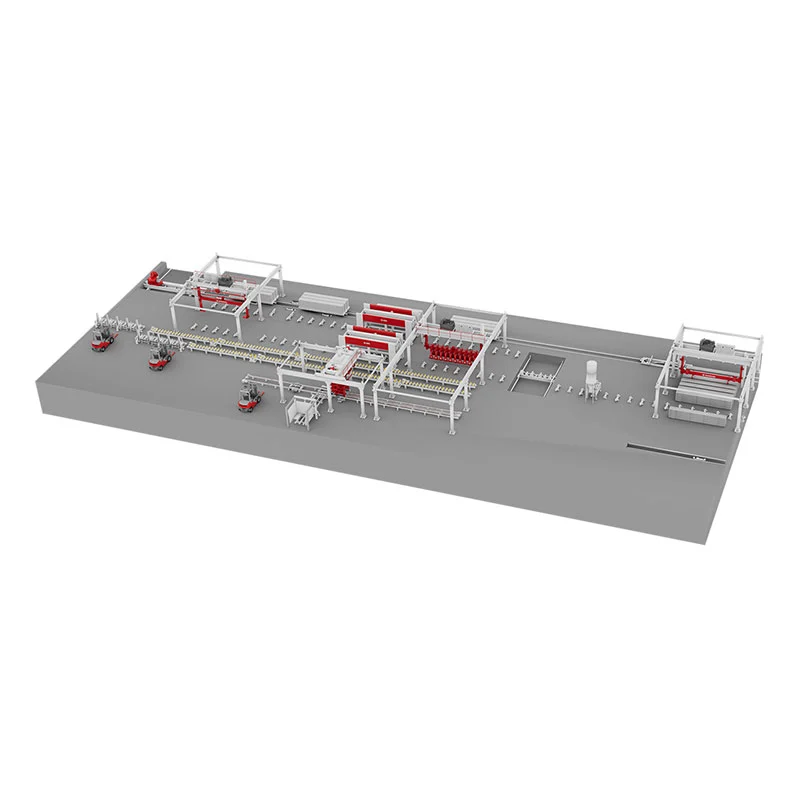
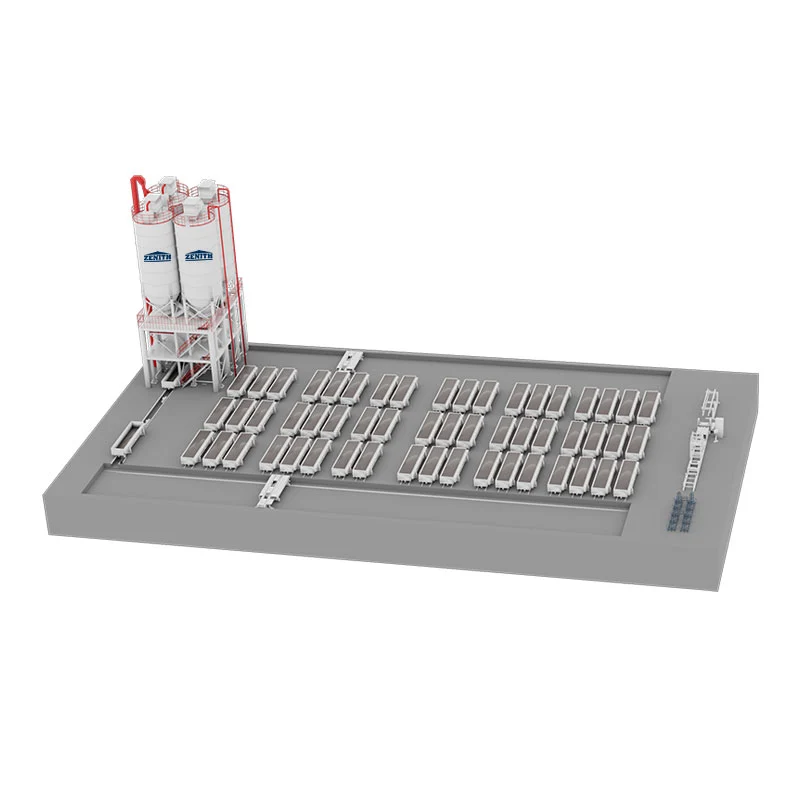
An AAC Brick Block Making Machine uses an automated process to mix, pour, steam-cure, cut, and package aerated concrete blocks. Below is a basic workflow of the system:

  1. Raw Material Feeding: Cement, lime, sand, gypsum, and aluminum powder are loaded into the mixing system.
  2. Mixing & Foaming: The expansion agent reacts with the cement slurry to form air bubbles, creating a lightweight mix.
  3. Molding: The aerated concrete mixture is poured into large molds.
  4. Pre-Curing: The cast mixture expands and partially sets.
  5. Curing in Autoclave: Blocks are steam-cured in the autoclave chamber under high pressure and temperature.
  6. Cutting & Packaging: After curing, blocks are cut to size and packaged for transport.

This entire process can be highly automated and is often controlled via PLC (Programmable Logic Controller) systems to optimize batch quality and production speed.


Why Use AAC Blocks in Construction?

Builders and civil engineers often choose AAC blocks for numerous advantages:

  • Energy Efficiency: Superior thermal insulation reduces heating and cooling costs.
  • Fire Resistance: AAC blocks are non-combustible, offering excellent fire safety.
  • Lightweight: Reduced structural load results in lower foundation costs.
  • Eco-friendly: Less raw material usage and minimal waste.
  • Precision: Uniform block dimensions reduce plaster usage.

Which Types of AAC Brick Block Making Machines Are Available?

There are multiple configurations and technologies available for AAC machines:

Machine Type Description Production Capacity
Batch Type AAC Machine Traditional system; manual loading and unloading. Up to 20 m³ per cycle
Automatic AAC Machine PLC-controlled with higher automation and precision. 20–60 m³ per cycle
Semi-Automatic AAC Machine Mix of manual and automated processes. 15–40 m³ per cycle
High-Speed Continuous AAC Machine Uses conveyor systems and is suited for high-volume plants. Above 60 m³ per cycle

Leading manufacturers, such as ZENITH Maschinenfabrik GmbH, provide tailored solutions, ranging from small turnkey plants to large industrial systems.


What Are the Benefits of an AAC Brick Block Making Machine?

Implementing a high-quality AAC production line provides significant advantages for investors and builders alike:

  • Cost Savings: Automating reduces labor costs and ensures consistent quality.
  • Higher Throughput: Large daily production capacities increase profitability.
  • Quality Control: Advanced PLC systems enable optimal curing and density control.
  • Scalability: Modular design allows expansion with demand growth.

How to Choose the Right AAC Brick Block Making Machine?

Selecting the correct machine requires careful evaluation of several factors:

1. Production Capacity

Estimate your yearly output and select a machine that meets or slightly exceeds your requirement.

2. Automation Level

Fully automatic lines reduce human error and increase efficiency, while semi-automatic systems are cost-effective for smaller plants.

3. After-Sales Support

Choose a manufacturer with a strong support presence. ZENITH Maschinenfabrik GmbH offers robust technical service, installation, commissioning, and training.

4. Spare Parts Availability

Reliable spare parts supply ensures minimal downtime and longer machine life.

5. Warranty and Certification

Check warranty terms and industry compliance certifications (ISO, CE). Reputable manufacturers like ZENITH Maschinenfabrik GmbH provide certified solutions with secure warranties.


Frequently Asked Questions

What is an AAC Brick Block Making Machine?
An AAC Brick Block Making Machine is an industrial system that mixes raw materials and produces Autoclaved Aerated Concrete blocks through molding, expansion, steam-curing, and cutting. It automates production to produce lightweight, high-strength blocks used in construction.

How does an AAC machine improve construction efficiency?
By producing uniform, lightweight blocks that are easy to install, an AAC machine reduces construction time, material waste, and labor costs. Precision manufacturing also ensures consistent block size, lowering plaster and finishing requirements.

Why do builders prefer AAC blocks over traditional bricks?
AAC blocks are preferred due to their excellent insulation, fire resistance, sustainability, and lower structural load. They also offer better acoustic performance and improved energy efficiency for buildings.

Which features should I look for in an AAC production line?
Look for high automation level, PLC controls, robust mixing systems, stable autoclave technology, reliable after-sales support, and certified quality standards. Companies like ZENITH Maschinenfabrik GmbH emphasize these traits in their machines.

What is the typical cost of an AAC Brick Block Making Machine?
Costs vary based on capacity, automation, and configuration. Basic semi-automatic systems start lower, while fully automatic high-speed plants cost more but deliver greater production and ROI. Consult manufacturers or suppliers for precise quotations.


Related News
Leave me a message
X
We use cookies to offer you a better browsing experience, analyze site traffic and personalize content. By using this site, you agree to our use of cookies. Privacy Policy
RejectAccept