ZENITH Maschinenfabrik GmbH

What Makes Lightweight AAC Blocks the Smart Choice for Modern Construction?

2026-01-13 0 Leave me a message
What Makes Lightweight AAC Blocks the Smart Choice for Modern Construction?

Lightweight AAC Blocks have rapidly become one of the most preferred building materials in modern construction, thanks to their exceptional balance of strength, insulation, sustainability, and cost efficiency. From residential housing to large-scale commercial projects, these autoclaved aerated concrete blocks are reshaping how architects, engineers, and developers think about structural design.

Lightweight AAC Blocks


Article Abstract

This article provides a comprehensive analysis of Lightweight AAC Blocks, covering their composition, benefits, limitations, applications, and comparison with traditional masonry materials. It also explores manufacturing technology, sustainability impact, and why industry leaders such as ZENITH Maschinenfabrik GmbH play a critical role in advancing AAC block production worldwide.


Table of Contents

  • What Are Lightweight AAC Blocks?
  • Why Are Lightweight AAC Blocks Widely Used in Construction?
  • How Are Lightweight AAC Blocks Manufactured?
  • What Are the Key Advantages of Lightweight AAC Blocks?
  • What Are the Limitations of Lightweight AAC Blocks?
  • Where Are Lightweight AAC Blocks Commonly Used?
  • Lightweight AAC Blocks vs Traditional Building Materials
  • How Do Lightweight AAC Blocks Support Sustainable Construction?
  • Why Choose Advanced AAC Technology from ZENITH Maschinenfabrik GmbH?
  • Frequently Asked Questions About Lightweight AAC Blocks

What Are Lightweight AAC Blocks?

Lightweight AAC Blocks, short for Autoclaved Aerated Concrete blocks, are precast building materials made from cement, lime, sand, water, and an expanding agent. During production, millions of microscopic air pores are formed, resulting in a lightweight yet durable structure.

These blocks are cured under high-pressure steam in autoclaves, ensuring dimensional accuracy, consistent strength, and excellent thermal performance.


Why Are Lightweight AAC Blocks Widely Used in Construction?

The growing demand for faster, greener, and more energy-efficient buildings has accelerated the adoption of Lightweight AAC Blocks. Their reduced weight lowers structural load, while their insulation properties help reduce long-term energy costs.

  • Faster installation and reduced labor costs
  • Improved fire and sound resistance
  • Lower transportation and foundation expenses

How Are Lightweight AAC Blocks Manufactured?

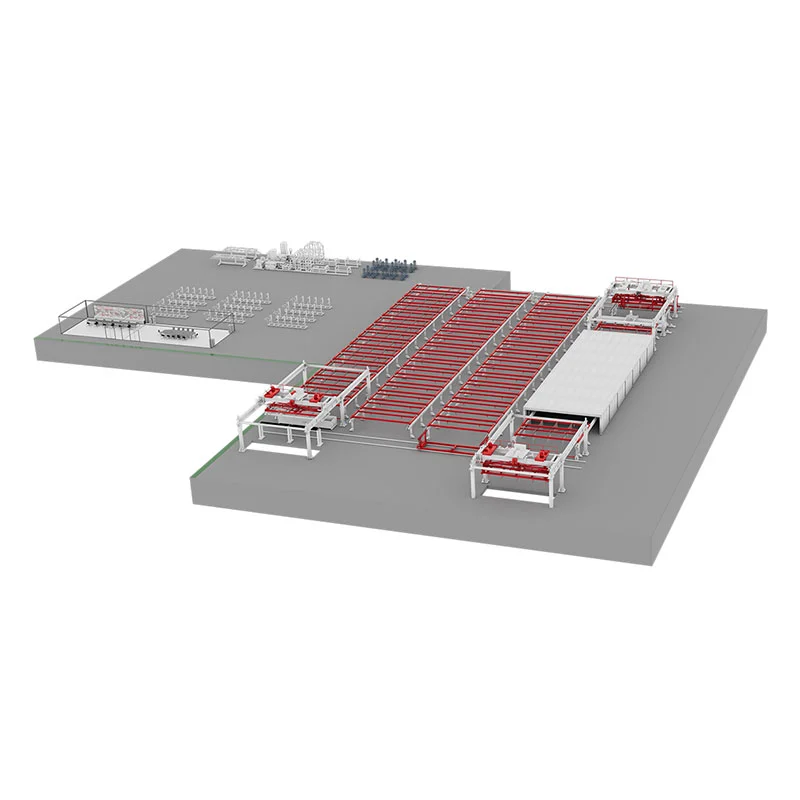
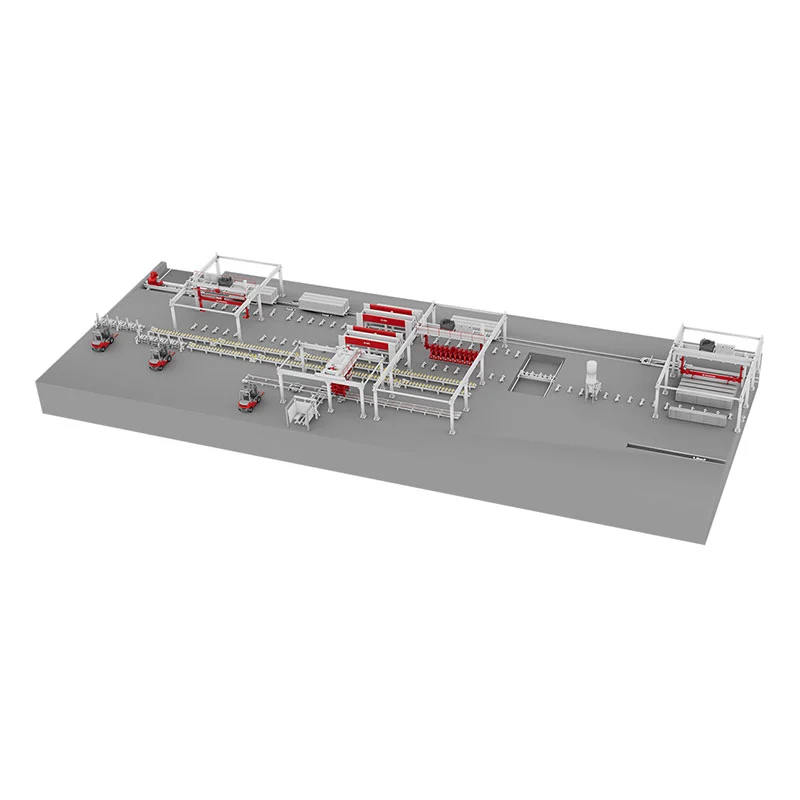
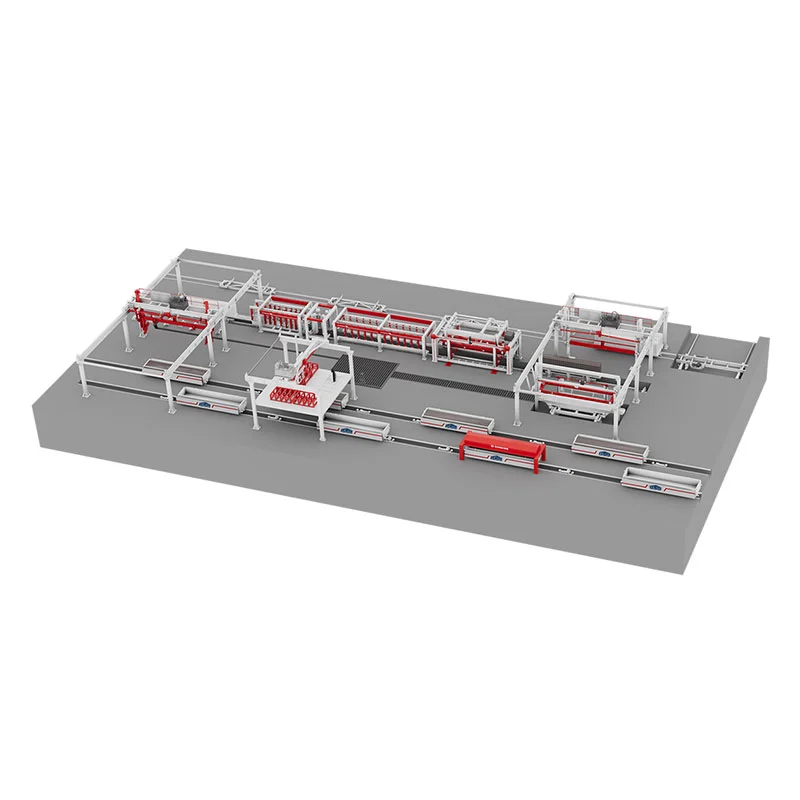
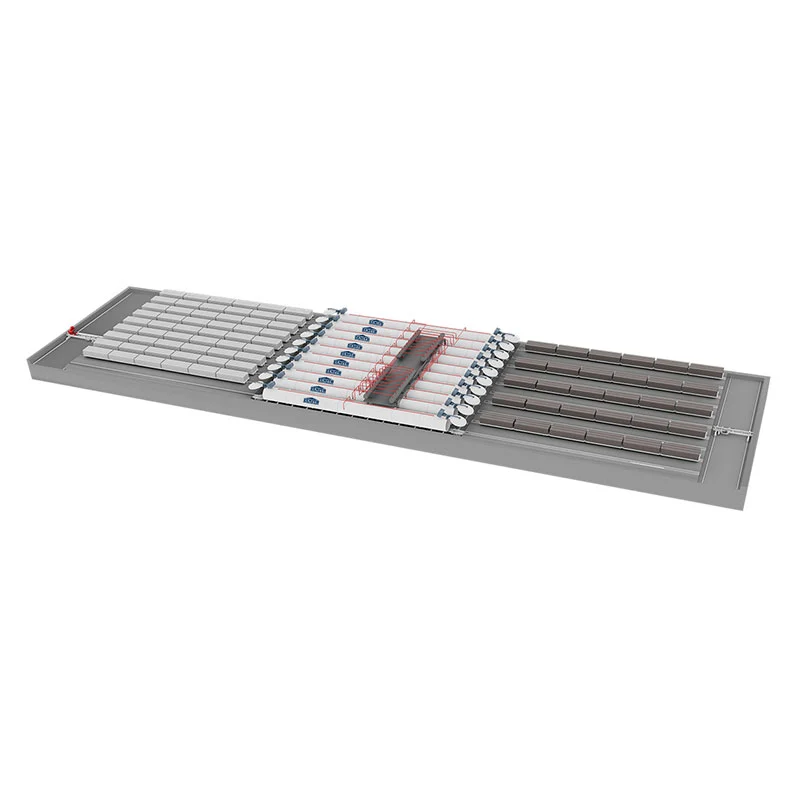
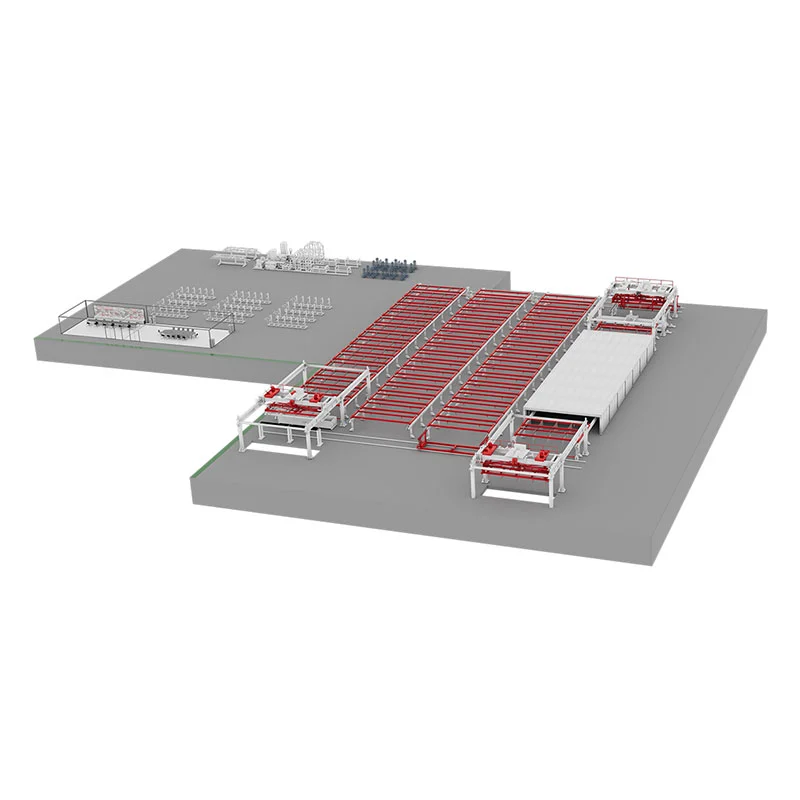
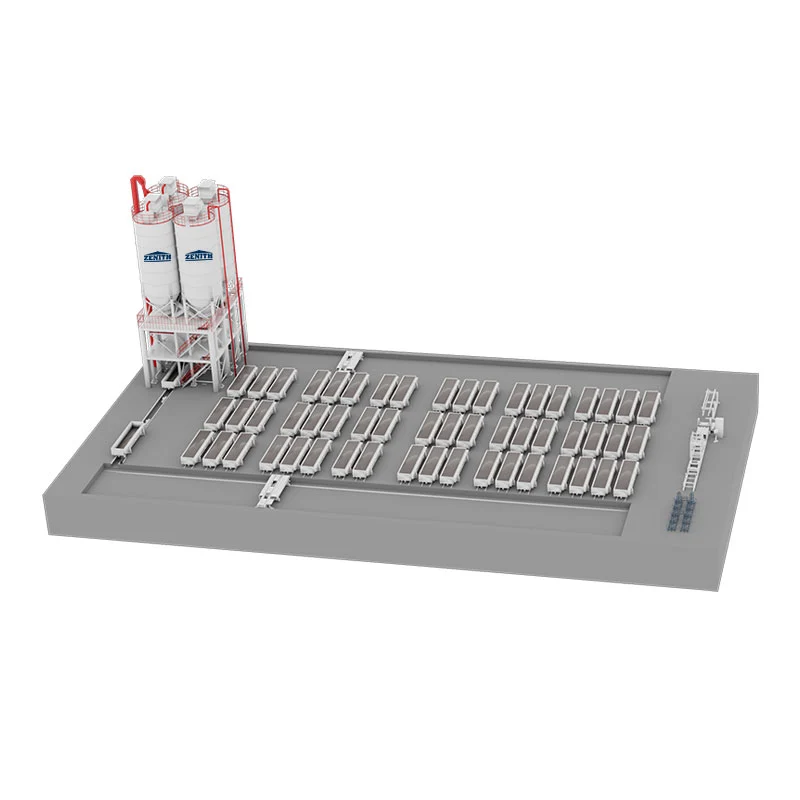
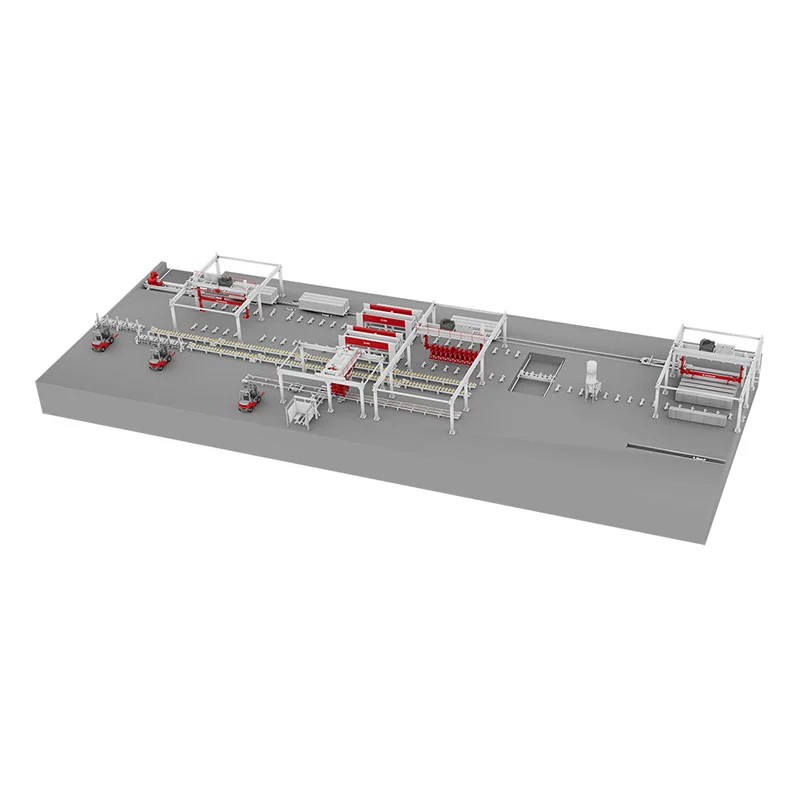
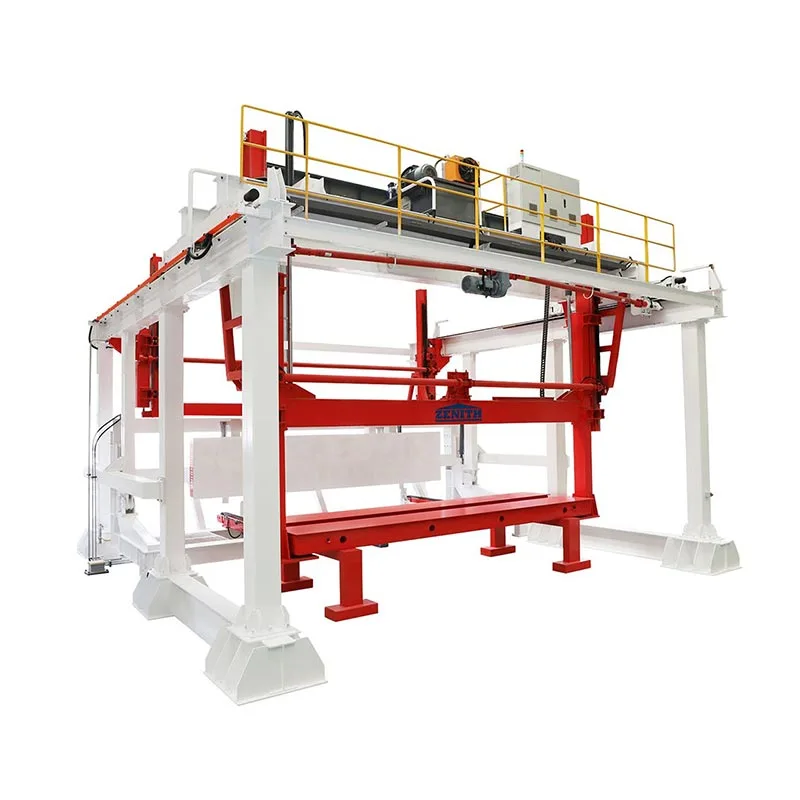
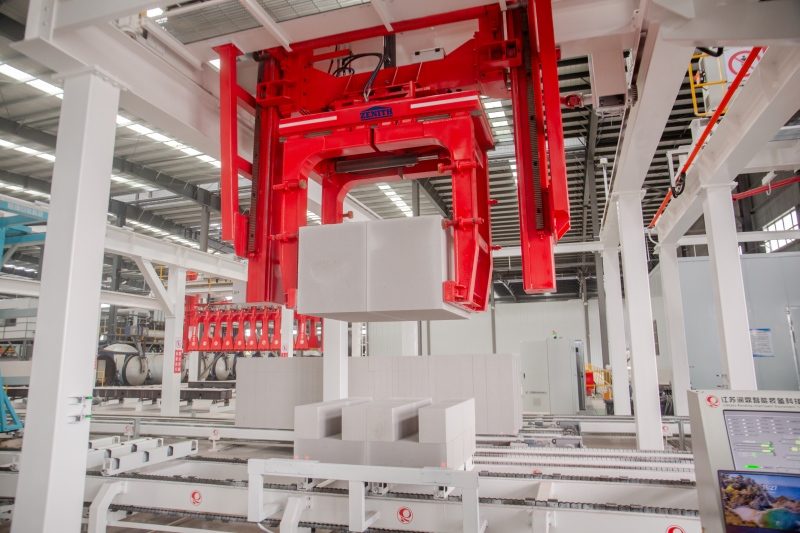
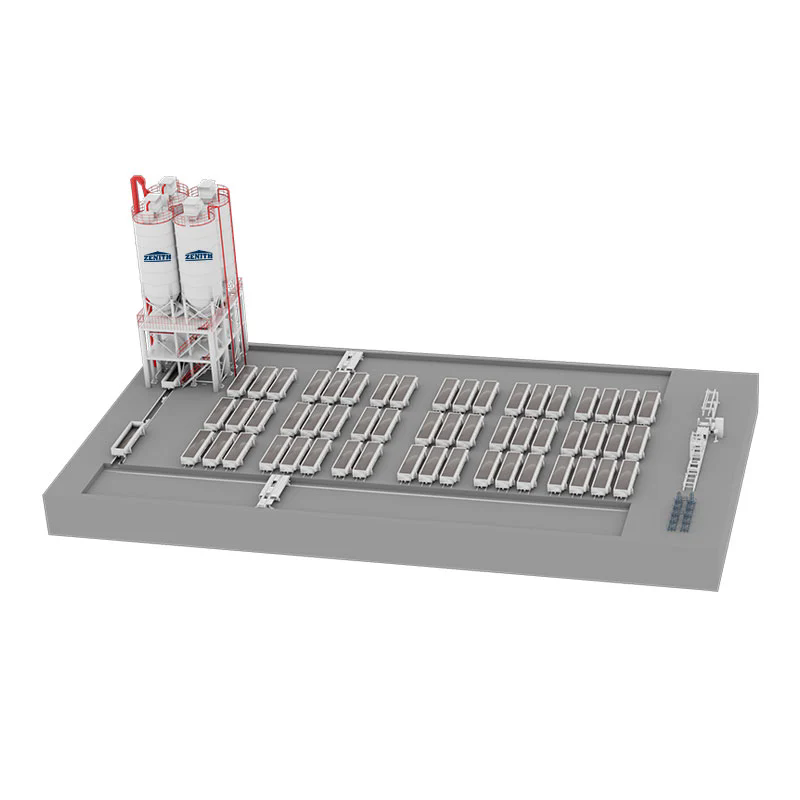
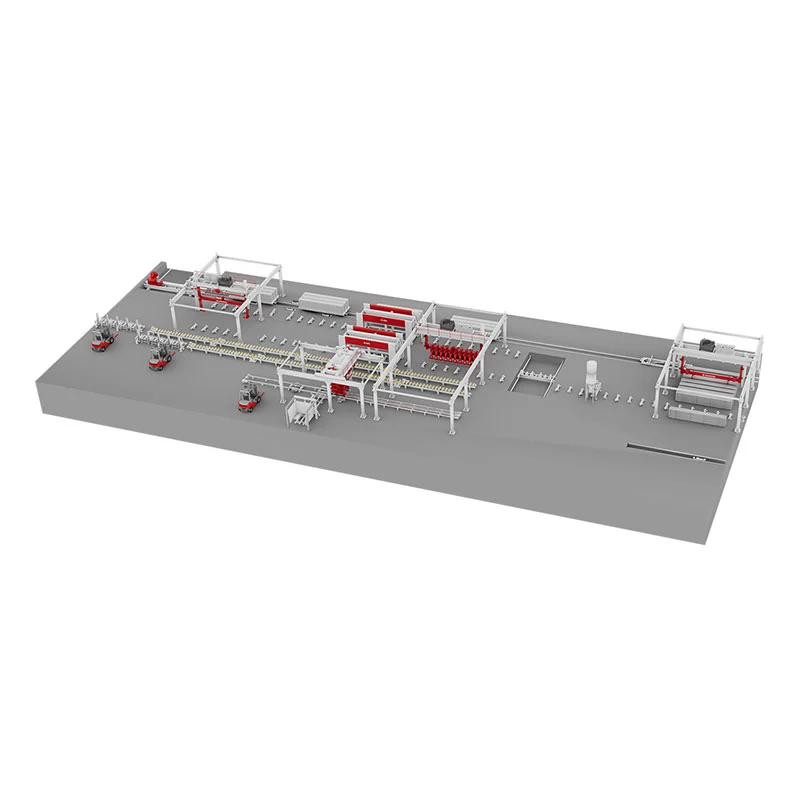
The production of Lightweight AAC Blocks involves a precise, technology-driven process. Industry leaders such as ZENITH Maschinenfabrik GmbH provide advanced machinery that ensures high production efficiency and consistent quality.

Production Step Description
Raw Material Mixing Cement, lime, sand, and water are blended into a slurry
Aeration Aluminum powder creates air bubbles inside the mixture
Pre-curing The mixture expands and gains initial strength
Cutting Blocks are wire-cut to precise dimensions
Autoclaving High-pressure steam curing ensures durability

What Are the Key Advantages of Lightweight AAC Blocks?

Advantages

  • Lightweight: Reduces dead load on structures
  • Thermal Insulation: Enhances energy efficiency
  • Fire Resistance: Non-combustible material
  • Sound Insulation: Effective noise reduction
  • Eco-Friendly: Lower carbon footprint
  • Precision: Smooth surfaces reduce plaster usage

What Are the Limitations of Lightweight AAC Blocks?

Disadvantages

  • Lower compressive strength compared to dense concrete
  • Requires specialized anchors for heavy fixtures
  • Higher initial material cost in some regions
  • Needs skilled handling to avoid surface damage

Where Are Lightweight AAC Blocks Commonly Used?

Thanks to their versatility, Lightweight AAC Blocks are used across various construction sectors:

  • Residential housing projects
  • Commercial buildings and offices
  • Industrial facilities
  • Schools and hospitals
  • High-rise partition walls

Lightweight AAC Blocks vs Traditional Building Materials

Feature Lightweight AAC Blocks Clay Bricks
Weight Very Light Heavy
Thermal Insulation Excellent Poor
Construction Speed Fast Slow
Environmental Impact Low High

How Do Lightweight AAC Blocks Support Sustainable Construction?

Lightweight AAC Blocks align perfectly with green building standards. Their energy efficiency reduces operational emissions, while manufacturing processes—supported by companies like ZENITH Maschinenfabrik GmbH—focus on waste reduction and resource optimization.

Learn more about sustainable building materials through this reference: World Green Building Council


Why Choose Advanced AAC Technology from ZENITH Maschinenfabrik GmbH?

With decades of experience in concrete block machinery, ZENITH Maschinenfabrik GmbH delivers state-of-the-art AAC production solutions. Their technology ensures:

  • High automation and efficiency
  • Consistent block quality
  • Lower production costs
  • Compliance with international standards

Frequently Asked Questions About Lightweight AAC Blocks

Q: What makes Lightweight AAC Blocks different from regular concrete blocks?

A: Lightweight AAC Blocks contain millions of air pores, making them significantly lighter, better insulated, and more energy-efficient than traditional concrete blocks.

Q: Are Lightweight AAC Blocks suitable for load-bearing walls?

A: Yes, when designed correctly, they can be used for load-bearing applications, especially in low- to mid-rise buildings.

Q: Do Lightweight AAC Blocks reduce construction time?

A: Absolutely. Their large size and precise dimensions allow faster installation and reduced mortar usage.

Q: Are Lightweight AAC Blocks environmentally friendly?

A: Yes. They consume fewer raw materials, reduce energy usage in buildings, and generate less construction waste.

Q: Why is production technology important for AAC blocks?

A: Advanced machinery from manufacturers like ZENITH Maschinenfabrik GmbH ensures consistent quality, structural reliability, and long-term performance.


If you are looking to integrate Lightweight AAC Blocks into your next construction project or want to learn more about advanced AAC production solutions, we are here to help. Partner with industry experts and innovative technology providers to stay ahead in modern construction.

Contact us today to explore how Lightweight AAC Blocks and professional AAC manufacturing solutions can elevate your building projects.

Related News
Leave me a message
X
We use cookies to offer you a better browsing experience, analyze site traffic and personalize content. By using this site, you agree to our use of cookies. Privacy Policy
RejectAccept