ZENITH Maschinenfabrik GmbH

What Is AAC Concrete Autoclaved?

2026-01-15 0 Leave me a message
What Is AAC Concrete Autoclaved? – Ultimate Guide to Benefits, Uses, and Limitations

AAC Concrete Autoclaved, commonly known as autoclaved aerated concrete, is a lightweight precast building material that provides structure, insulation, and fire resistance in one product, increasingly used in modern construction projects around the world.

In this blog, we’ll explore everything from the basics to the practical advantages and disadvantages, and answer real questions about AAC to help builders, architects, and decision‑makers make informed choices.

AAC Concrete Autoclaved


Table of Contents


What Is AAC Concrete Autoclaved?

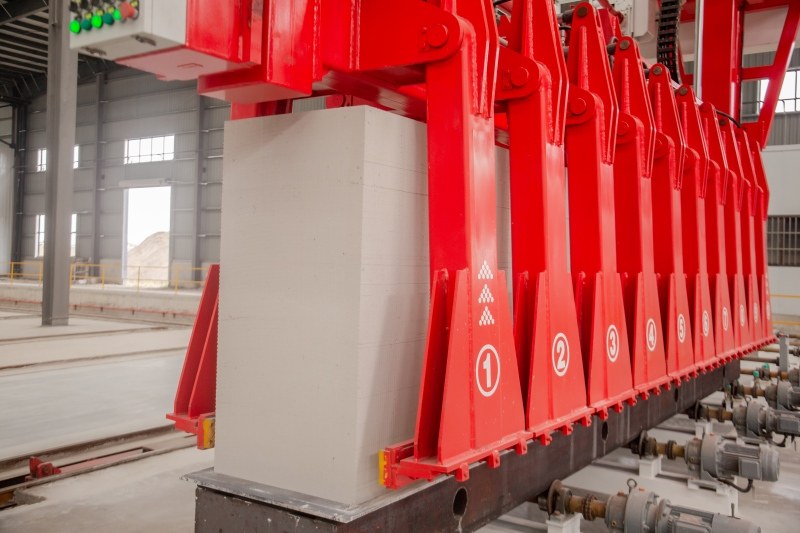
AAC (Autoclaved Aerated Concrete) is a specialized form of lightweight concrete, manufactured under controlled conditions to create closed cellular structures. It includes natural raw materials like cement, lime, sand, and aluminium powder combined with water, then cured in a high‑pressure steam autoclave. 


How Is AAC Manufactured?

During production, aluminium reacts with lime and cement to generate hydrogen gas, forming tiny air voids, which expand and significantly reduce the material’s density. After partial setting, the material is placed in an autoclave — a steam‑pressure chamber — where it cures and hardens into robust blocks or panels. 


Why Choose AAC Concrete Autoclaved?

Modern builders appreciate AAC for its multifunctional properties. Below is a summary of key strengths that make it a compelling choice:

  • Lightweight – significantly lighter than traditional concrete blocks, aiding transport and handling. 
  • Thermal Insulation – the cellular structure provides excellent energy efficiency, reducing heating and cooling loads. 
  • Fire Resistance – AAC is non‑combustible and can contribute to fire safety strategies.
  • Workability – can be cut and shaped with simple tools, lowering waste.

Where Is AAC Used in Construction?

AAC is used in a variety of contexts, including:

  • Wall blocks and panels for residential and commercial buildings.
  • Floor and roof panels.
  • Cladding and façade systems.
  • Load‑bearing masonry in mid‑rise structures. 

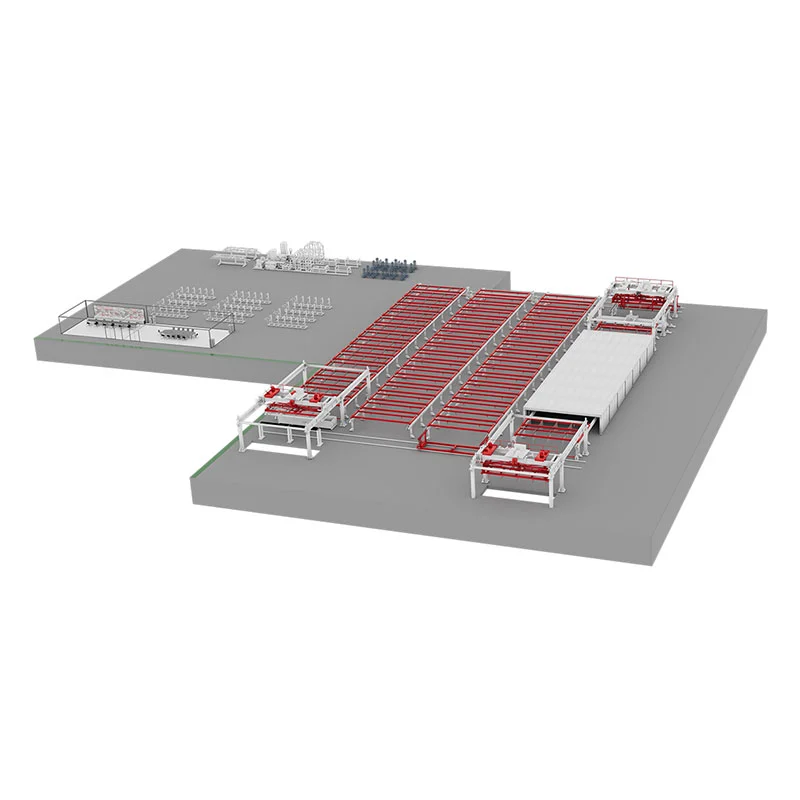
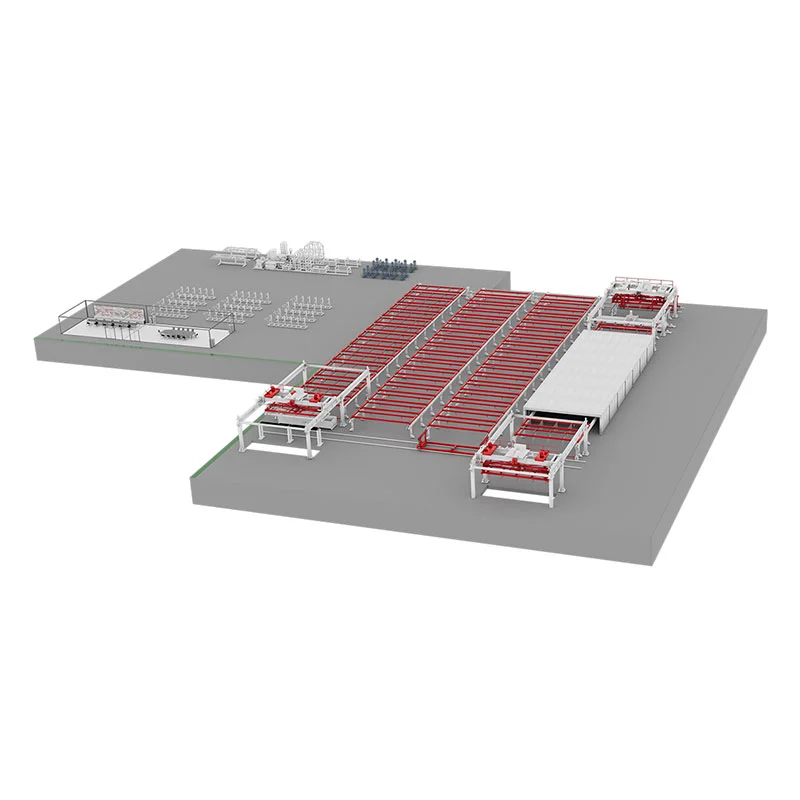
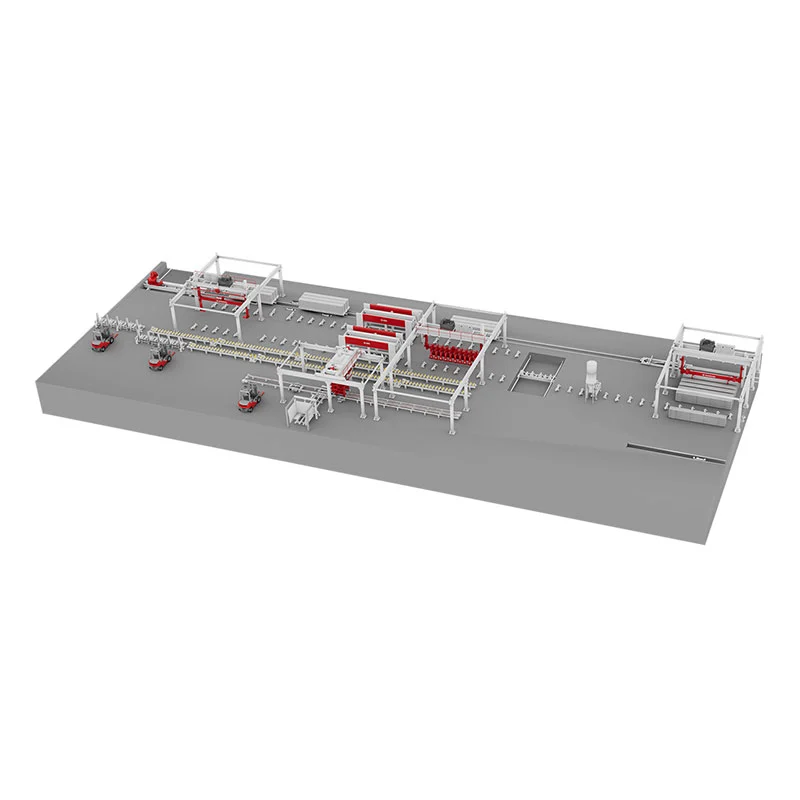
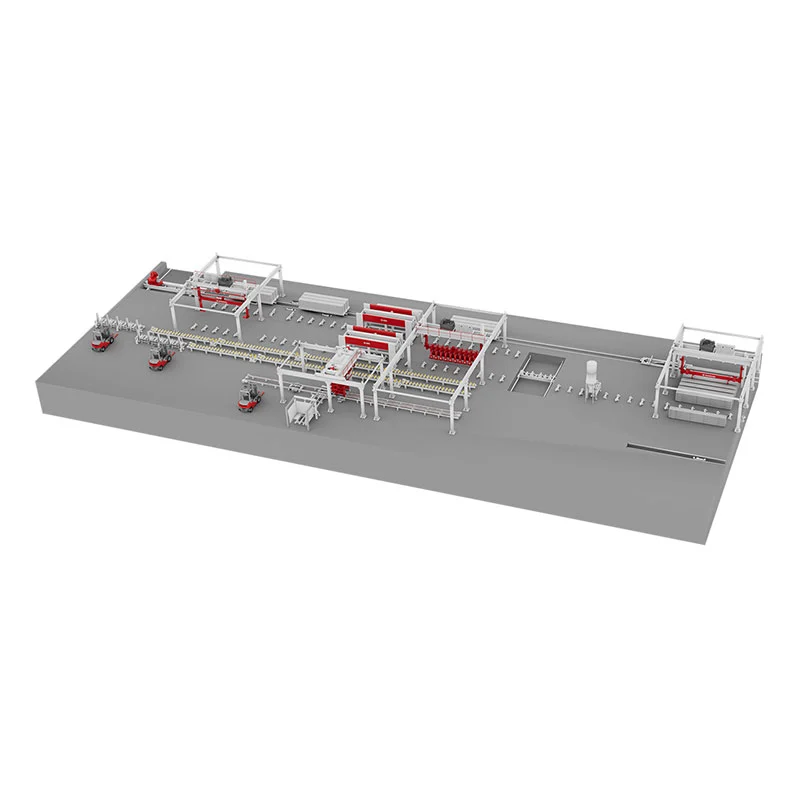
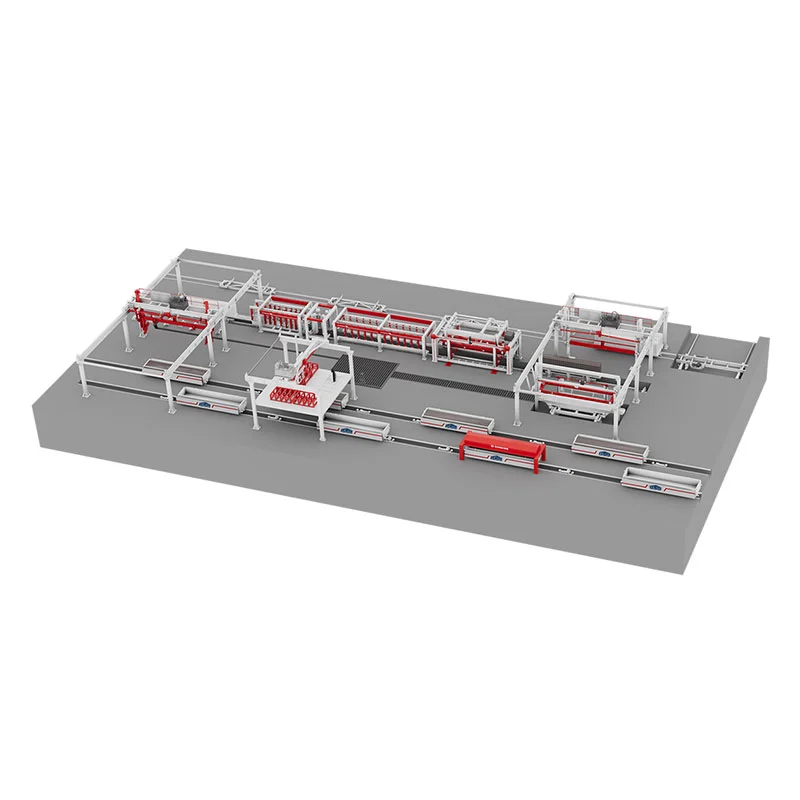
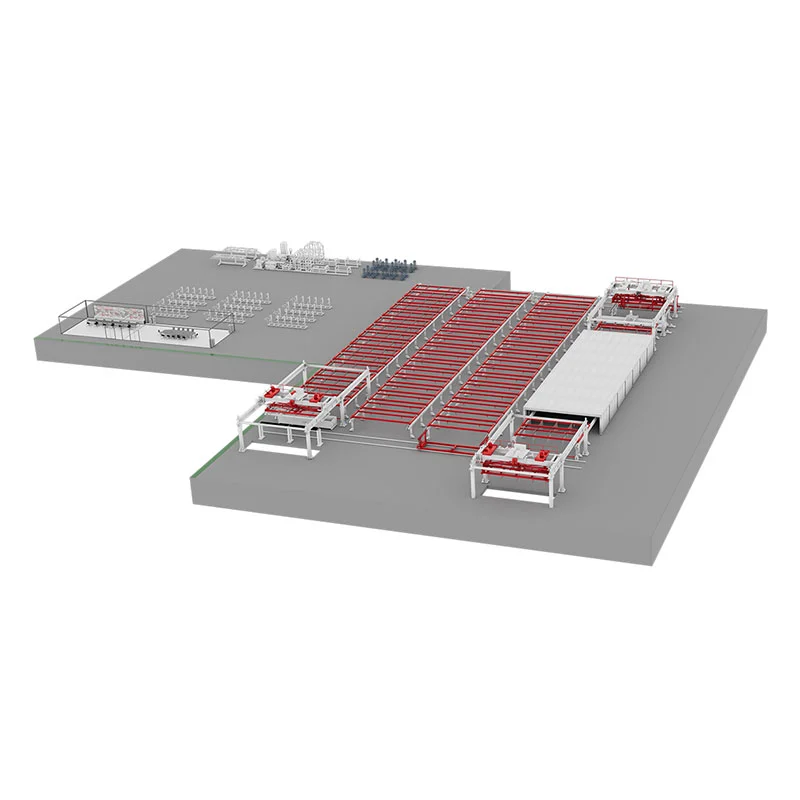
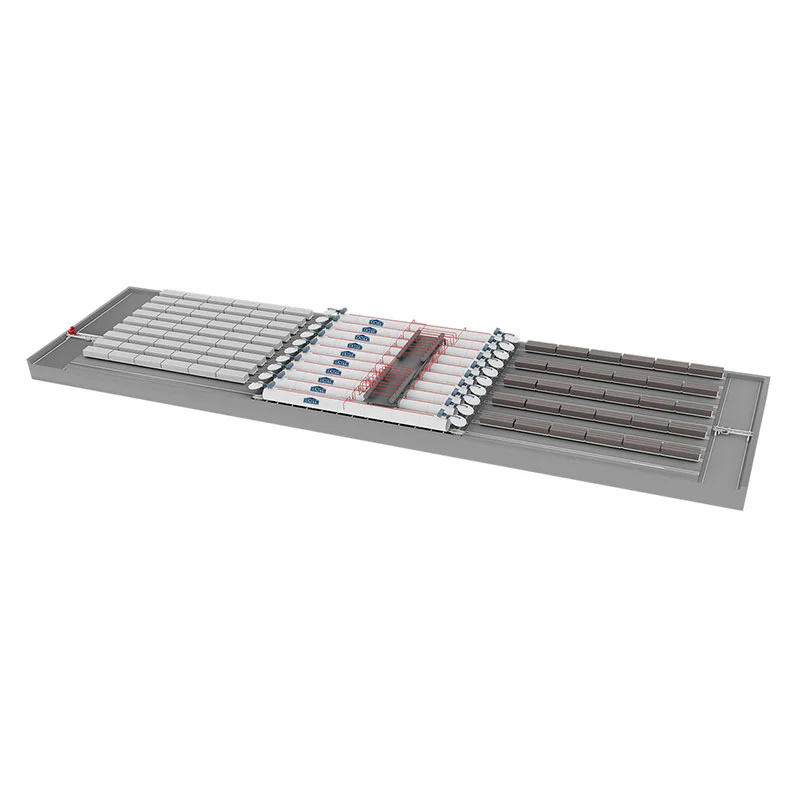
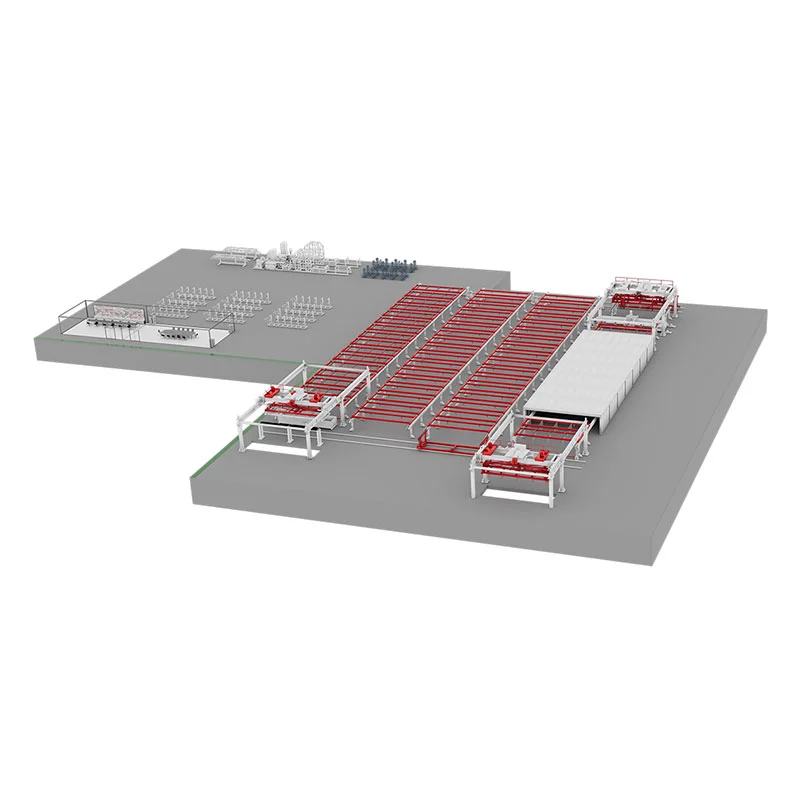
Leading industry suppliers such as ZENITH Maschinenfabrik GmbH provide AAC production lines and equipment that support consistent quality and capacity for global manufacturing needs.


What Are the Pros and Cons of AAC?

Advantages of AAC Concrete Autoclaved

Benefit Description
Lightweight Reduces dead load and simplifies lifting and transport. 
Thermal Efficiency Provides inherent insulation, lowering energy usage.
Fire Resistant Non‑combustible material that enhances safety. 
Ease of Workability Can be shaped with hand tools for precision.
Eco Friendly Lower environmental footprint and waste.

Limitations of AAC

  • Brittleness: More fragile than dense concrete; requires careful handling. 
  • Fastening Challenges: Requires specialised anchors for fixtures.
  • Moisture Sensitivity: Aerated structure can absorb water without proper finishes. 
  • Insulation Limits in Cold Climates: May require thicker walls or supplemental insulation.
  • Skill Requirement: Installation precision is critical and differs from conventional masonry. 

Frequently Asked Questions

What makes AAC different from traditional concrete?
AAC includes microscopic air voids created during manufacturing, giving it a much lower density and superior insulation compared to traditional concrete. :contentReference[oaicite:22]{index=22}

Can AAC be used for load‑bearing walls?
Yes. AAC blocks and panels can serve in load‑bearing applications, especially in residential and mid‑rise construction, provided engineering design follows appropriate codes. :contentReference[oaicite:23]{index=23}

Is AAC suitable for earthquake‑prone regions?
Due to its lightweight nature and energy absorption properties, AAC can be beneficial in seismic designs when integrated properly into the structural system. :contentReference[oaicite:24]{index=24}

How do fasteners work with AAC walls?
Because AAC is more brittle than dense masonry, specialised anchors and longer thin screws recommended for AAC should be used to securely mount cabinets or fixtures. :contentReference[oaicite:25]{index=25}

Does AAC reduce heating and cooling costs?
Yes. AAC’s cellular structure provides excellent thermal insulation, helping maintain temperature and reducing HVAC energy demand. :contentReference[oaicite:26]{index=26}


Conclusion

AAC Concrete Autoclaved is a modern, sustainable, and high‑performance building material that supports energy‑efficient and fire‑resistant construction. When compared to conventional masonry, it offers clear advantages in insulation, weight, and environmental impact, though it does require specialised handling and installation knowledge.

If you’re considering integrating AAC into your next project or scaling up production, ZENITH Maschinenfabrik GmbH offers world‑class solutions to meet your manufacturing and construction needs. Contact us today to learn how AAC solutions can elevate your building performance.

Related News
Leave me a message
X
We use cookies to offer you a better browsing experience, analyze site traffic and personalize content. By using this site, you agree to our use of cookies. Privacy Policy
RejectAccept