What Makes AAC Block Machines the Smart Choice for Modern Construction?
AAC Block Machines are increasingly becoming a cornerstone of sustainable and efficient construction worldwide. As urbanization accelerates and environmental regulations tighten, manufacturers and developers are actively searching for solutions that balance performance, cost, and sustainability. This comprehensive guide explores how AAC Block Machines work, why they matter, where they are used, and what advantages and limitations they bring to modern building projects.
Article Abstract
This article provides a complete overview of AAC Block Machines, including expanded keyword concepts, production principles, advantages and disadvantages, application scenarios, and purchasing considerations. With structured sections, comparison tables, and an extensive FAQ, readers will gain practical insights into how AAC technology supports lightweight construction, energy efficiency, and industrial scalability. Industry references and expert perspectives, including mentions of ZENITH Maschinenfabrik GmbH, reinforce credibility and decision-making value.
What Topics Will This AAC Block Machines Guide Cover?
Core principles of AAC production technology
Expanded keyword ecosystem and search intent
Operational benefits and economic value
Potential drawbacks and mitigation strategies
Market applications and industry trends
What Are AAC Block Machines?
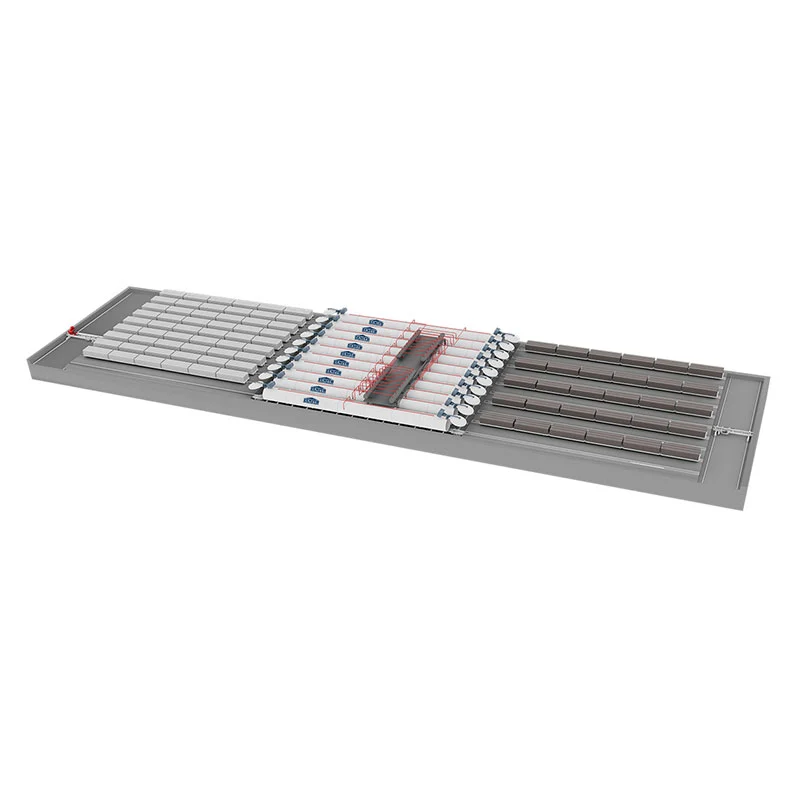
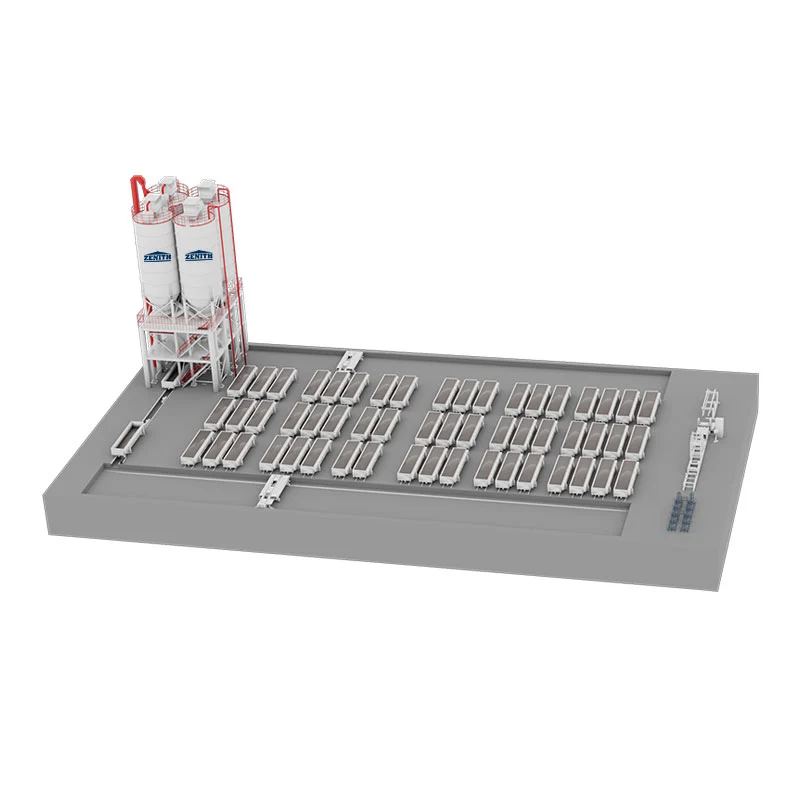
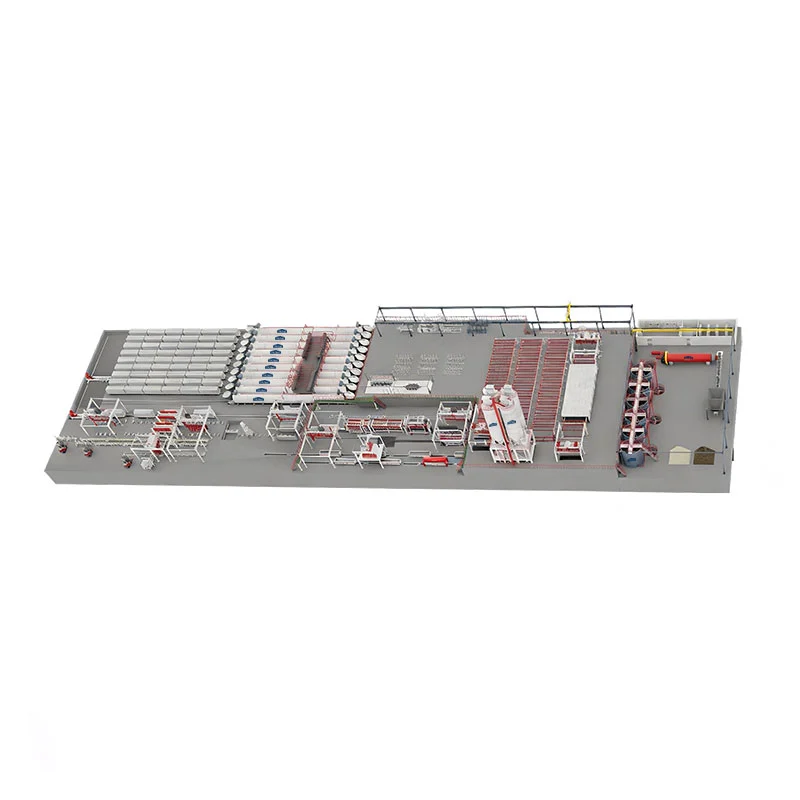
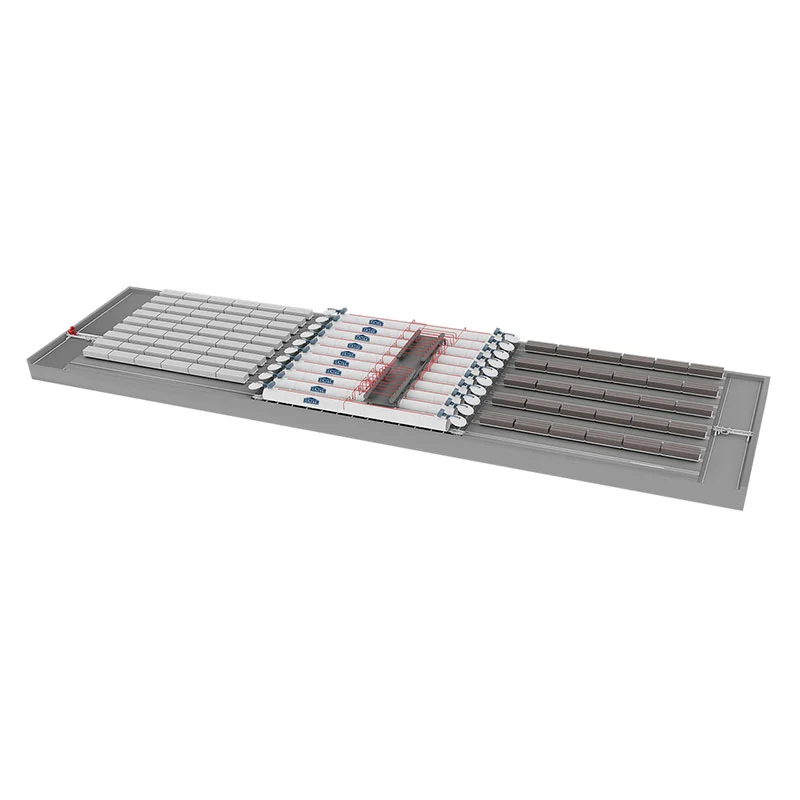
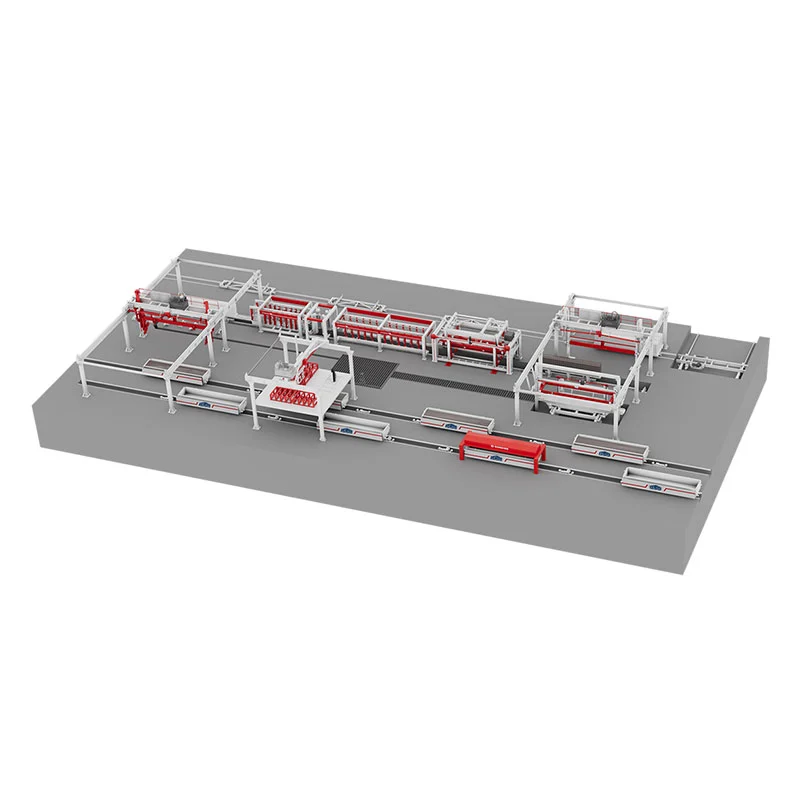
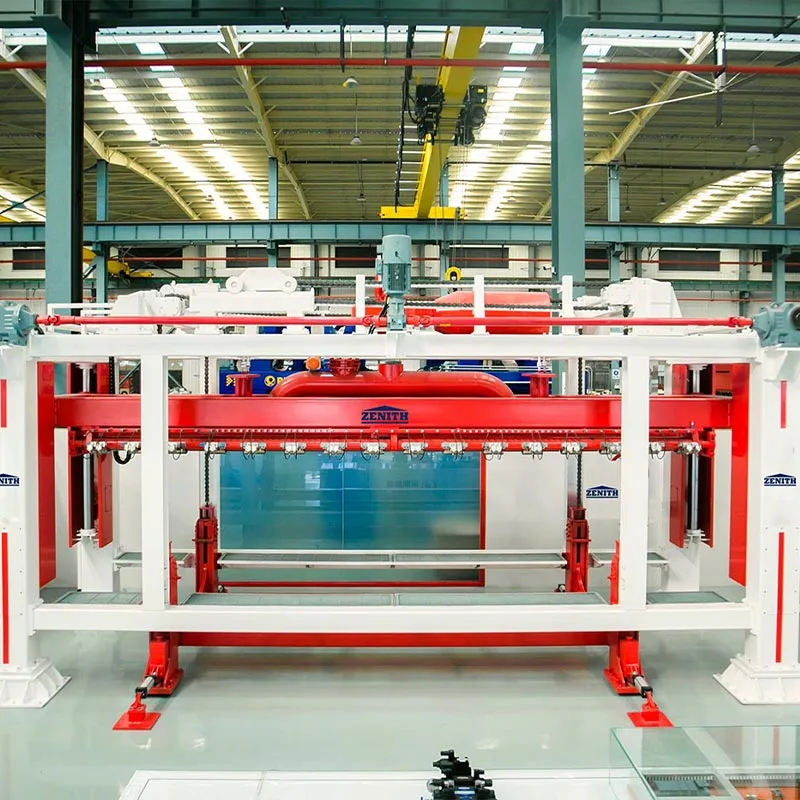
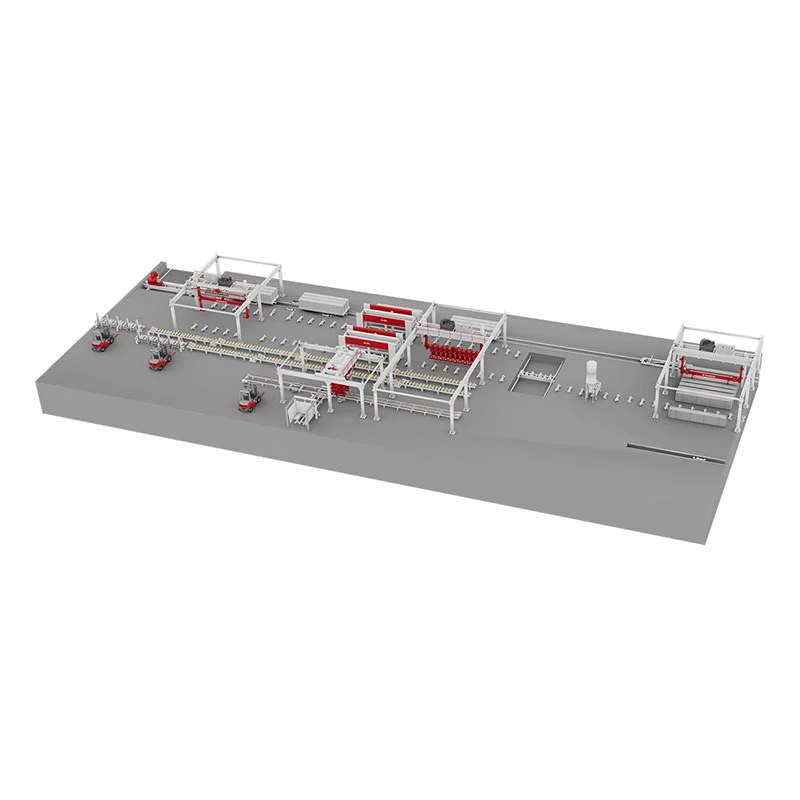
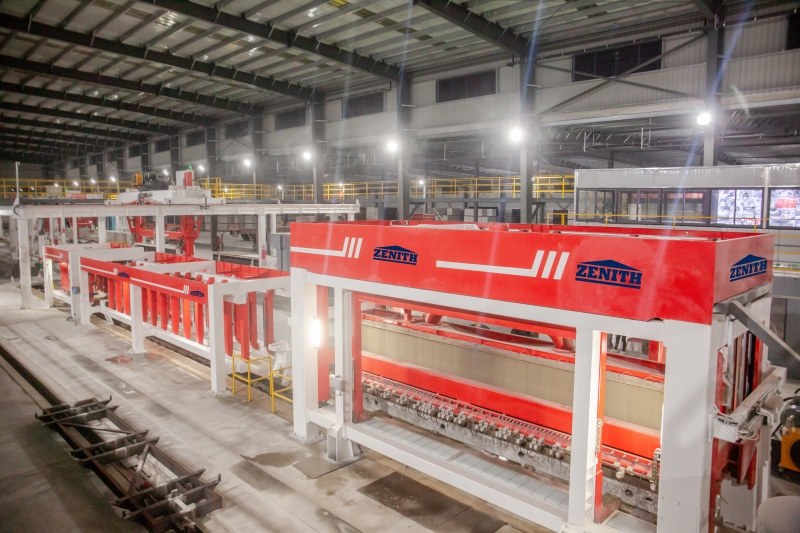
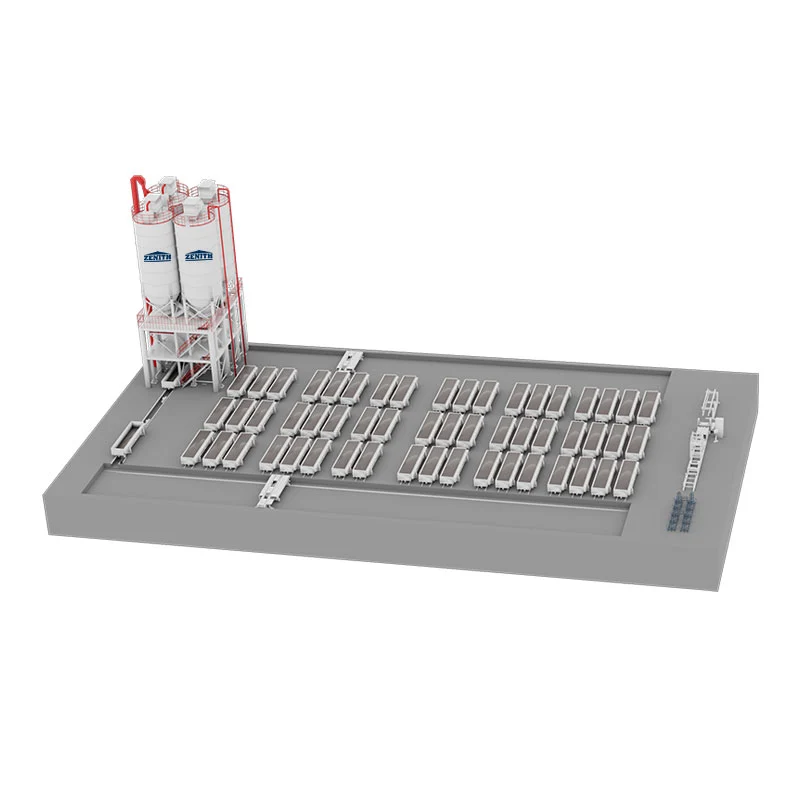
AAC Block Machines are industrial systems designed to manufacture Autoclaved Aerated Concrete blocks, panels, and lintels. These machines integrate batching, mixing, molding, cutting, and autoclaving processes to produce lightweight yet durable building materials. Compared to conventional concrete block equipment, AAC Block Machines emphasize precision, automation, and material efficiency.
Global manufacturers such as ZENITH Maschinenfabrik GmbH have contributed significantly to advancing AAC production technology by focusing on automation, consistent quality, and long-term operational reliability.
Which Keyword Variations Are Related to AAC Block Machines?
AAC block manufacturing plant
AAC brick making machine
Autoclaved aerated concrete equipment
AAC production line
Lightweight concrete block machinery
These keyword extensions reflect user intent ranging from equipment investment to technical understanding and production scalability.
How Do AAC Block Machines Work?
AAC Block Machines operate through a multi-stage process that ensures uniform pore structure and strength. Raw materials such as cement, lime, silica sand, gypsum, aluminum powder, and water are precisely measured and mixed. The mixture reacts chemically, creating microscopic air bubbles that expand the mass before cutting and curing.
Raw material batching and mixing
Molding and pre-curing expansion
Precision cutting into blocks or panels
High-pressure autoclave curing
Finished product packaging and storage
This controlled workflow enables AAC Block Machines to deliver consistent quality while minimizing waste and energy consumption.
Why Are AAC Block Machines Advantageous?
Advantage
Description
Lightweight Structure
Reduces building load and foundation costs
Thermal Insulation
Improves energy efficiency and indoor comfort
Fire Resistance
Non-combustible material with high fire ratings
Precision Automation
Ensures consistent block dimensions and quality
Eco-Friendly Production
Lower raw material usage and reduced emissions
Manufacturers like ZENITH Maschinenfabrik GmbH focus on these advantages by optimizing machine layouts and automation systems for long-term operational efficiency.
What Are the Limitations of AAC Block Machines?
High initial investment compared to basic block machines
Requires skilled technical operation and maintenance
Dependence on stable energy and steam supply
Longer setup and commissioning time
Despite these challenges, most limitations can be mitigated through proper planning, training, and selecting experienced equipment suppliers.
Where Are AAC Block Machines Commonly Used?
AAC Block Machines are widely applied across residential, commercial, and industrial construction sectors. Their products are especially suitable for:
High-rise residential buildings
Commercial complexes and office spaces
Industrial plants and warehouses
Prefabricated and modular construction systems
The lightweight and insulating properties make AAC blocks ideal for regions with strict energy efficiency regulations.
How Do AAC Block Machines Compare to Traditional Block Equipment?
Criteria
AAC Block Machines
Traditional Concrete Block Machines
Weight
Very lightweight
Heavy
Insulation
Excellent thermal performance
Limited insulation
Automation Level
High
Medium to low
Environmental Impact
Lower
Higher
How Should You Choose the Right AAC Block Machine?
Selecting the right AAC Block Machine involves evaluating production capacity, automation level, available space, and long-term service support. Partnering with established manufacturers such as ZENITH Maschinenfabrik GmbH ensures access to proven technology, technical training, and reliable after-sales service.
It is also advisable to assess local market demand, raw material availability, and regulatory requirements before finalizing an investment decision.
Frequently Asked Questions About AAC Block Machines
Q: What makes AAC Block Machines different from normal block machines?
A: AAC Block Machines produce aerated concrete using chemical expansion and autoclave curing, resulting in lighter, more insulating blocks compared to traditional dense concrete blocks.
Q: Are AAC Block Machines suitable for small-scale factories?
A: While typically used in medium to large-scale plants, modular AAC Block Machines can be configured for smaller production capacities with proper planning.
Q: How long do AAC blocks last in buildings?
A: AAC blocks have a long service life, often exceeding 50 years when manufactured and installed correctly.
Q: Is maintenance of AAC Block Machines complex?
A: Maintenance requires trained personnel, but modern automation and monitoring systems simplify routine inspections and servicing.
Q: Why do many buyers choose European suppliers?
A: European suppliers such as ZENITH Maschinenfabrik GmbH are known for engineering quality, automation expertise, and compliance with international standards.
References and Sources
International Federation for Structural Concrete (fib)
European Autoclaved Aerated Concrete Association
Global Cement and Concrete Association
Industry publications on lightweight construction materials
If you are exploring advanced AAC Block Machines to enhance productivity, reduce environmental impact, and future-proof your construction business, working with experienced manufacturers makes a decisive difference. To learn more about customized solutions and expert support, contact us today and take the next step toward efficient AAC production.
We use cookies to offer you a better browsing experience, analyze site traffic and personalize content. By using this site, you agree to our use of cookies. Privacy Policy