ZENITH Maschinenfabrik GmbH

Causes of Watermarks in Aerated Concrete Block Production and Their Relationship with Equipment

2025-11-12 0 Leave me a message

Watermarks are water-like stains that form on the surface of aerated concrete blocks. They can appear on any side of the block and, in severe cases, affect the performance of the aerated concrete blocks. The appearance of watermarks may be due to issues with raw materials, production processes, or environmental factors, and in some cases, it may also be related to the aerated concrete block equipment.


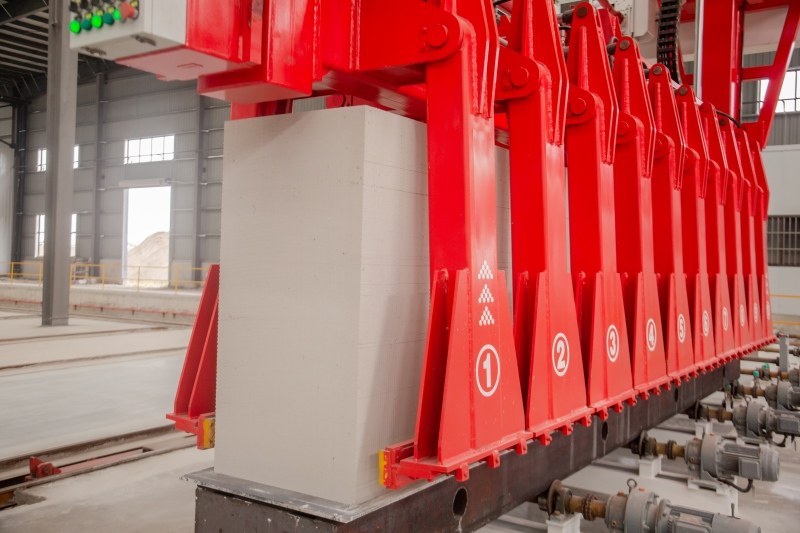
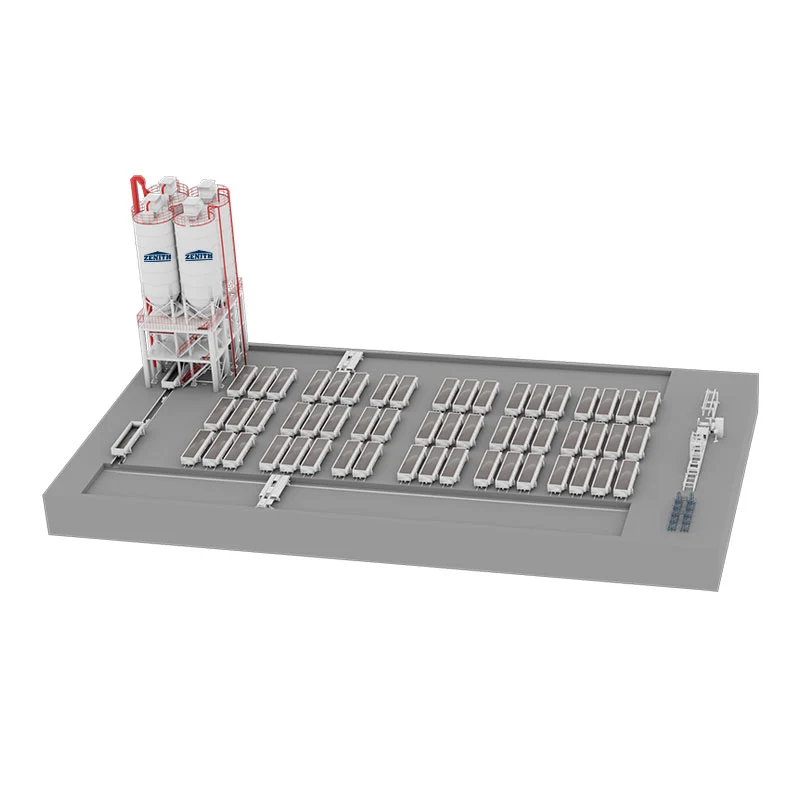
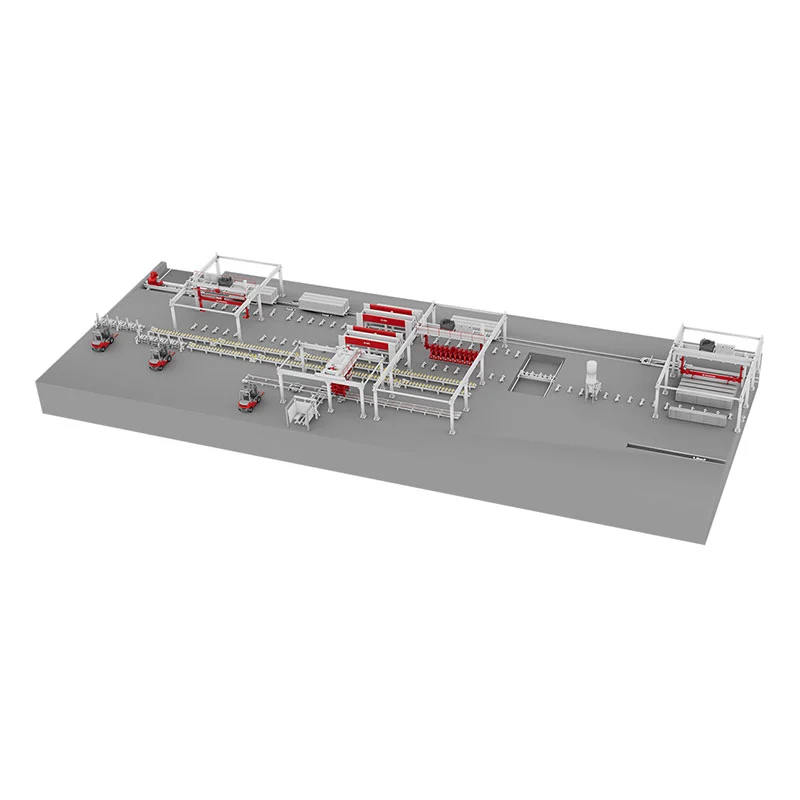
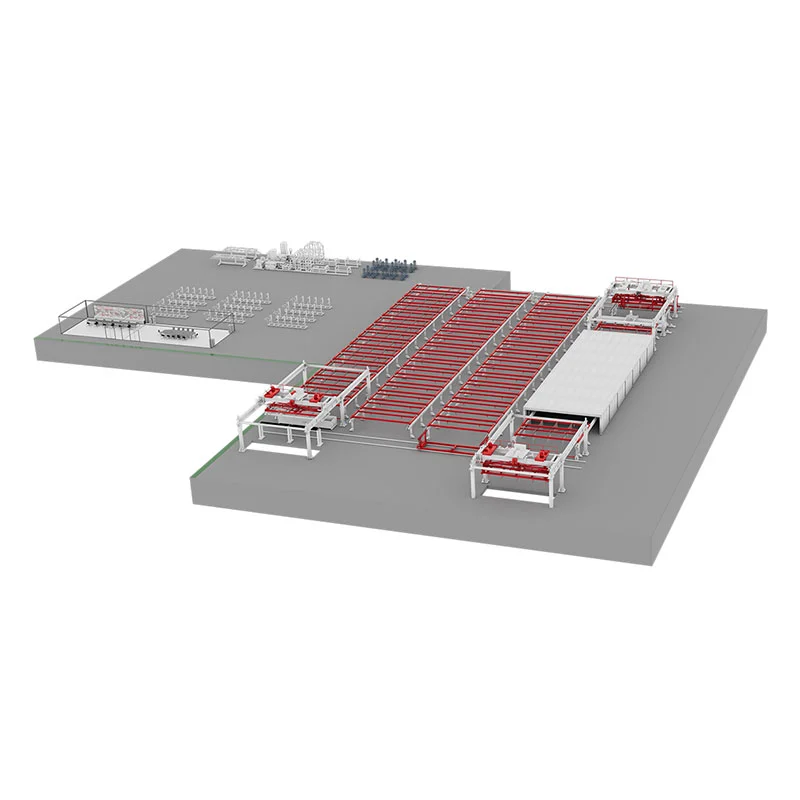
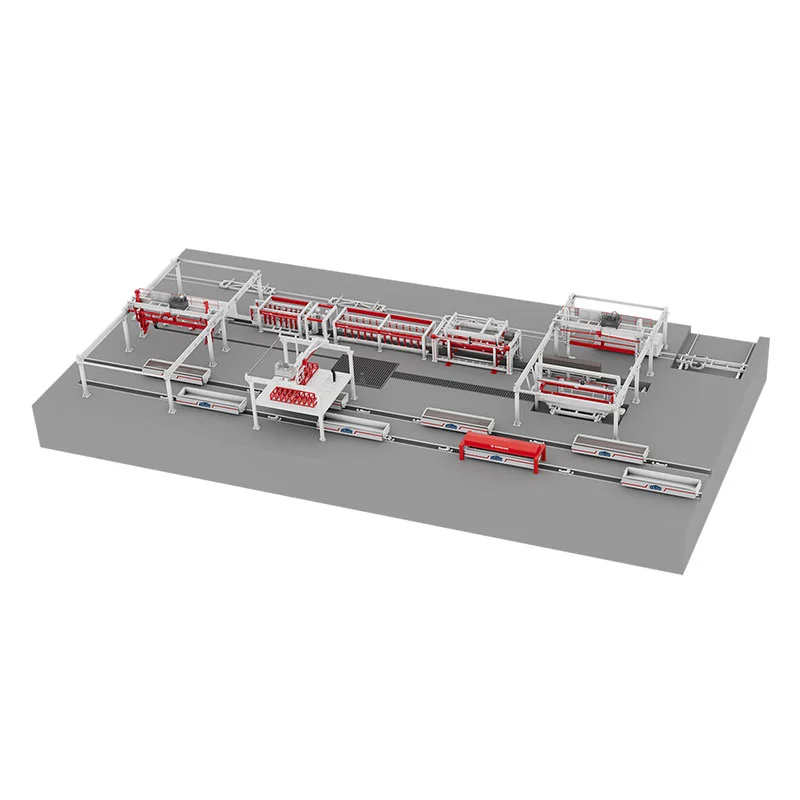
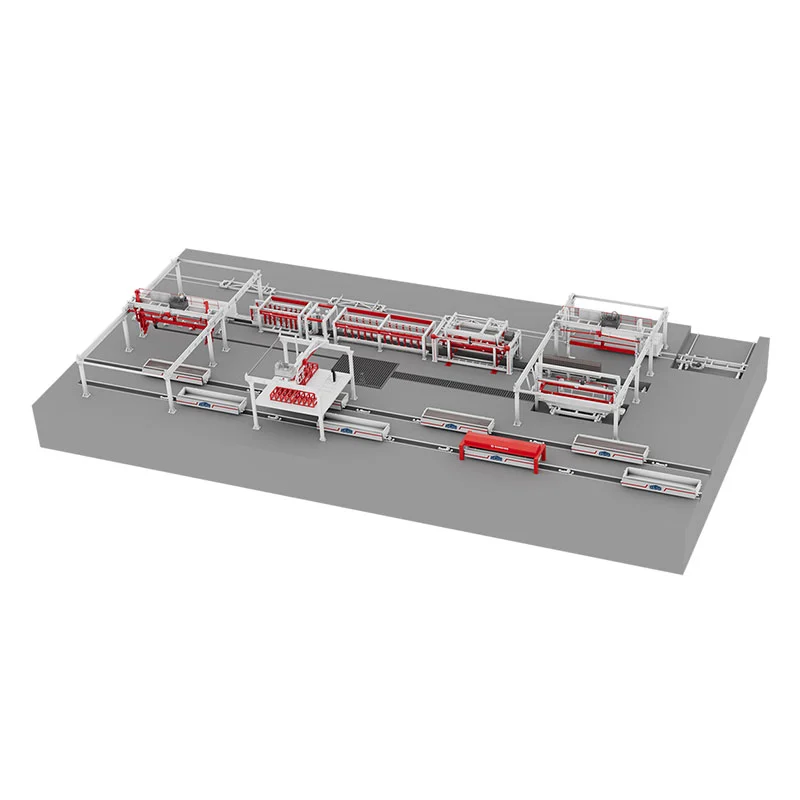
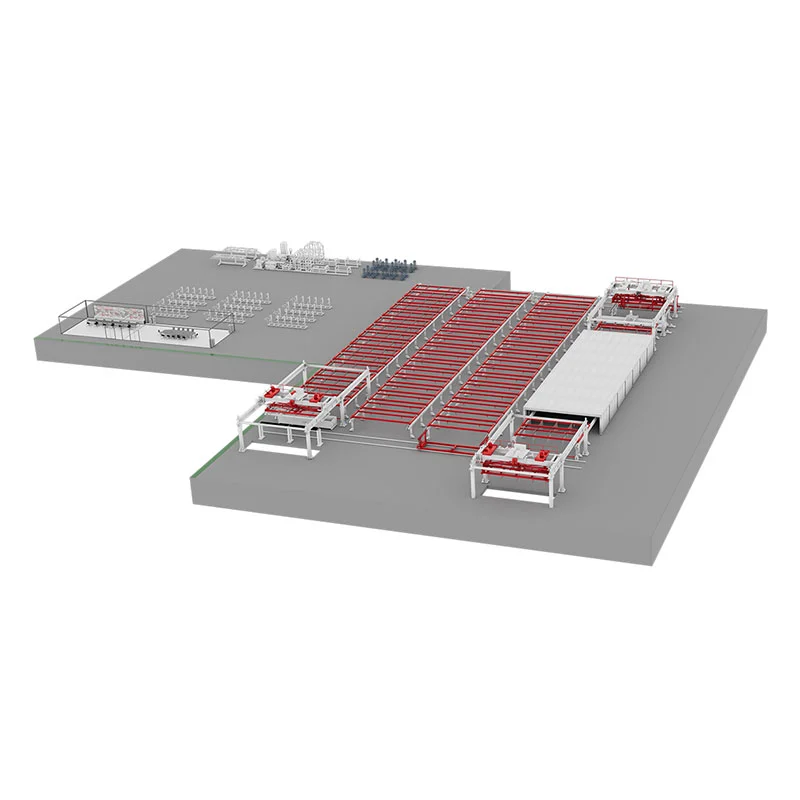
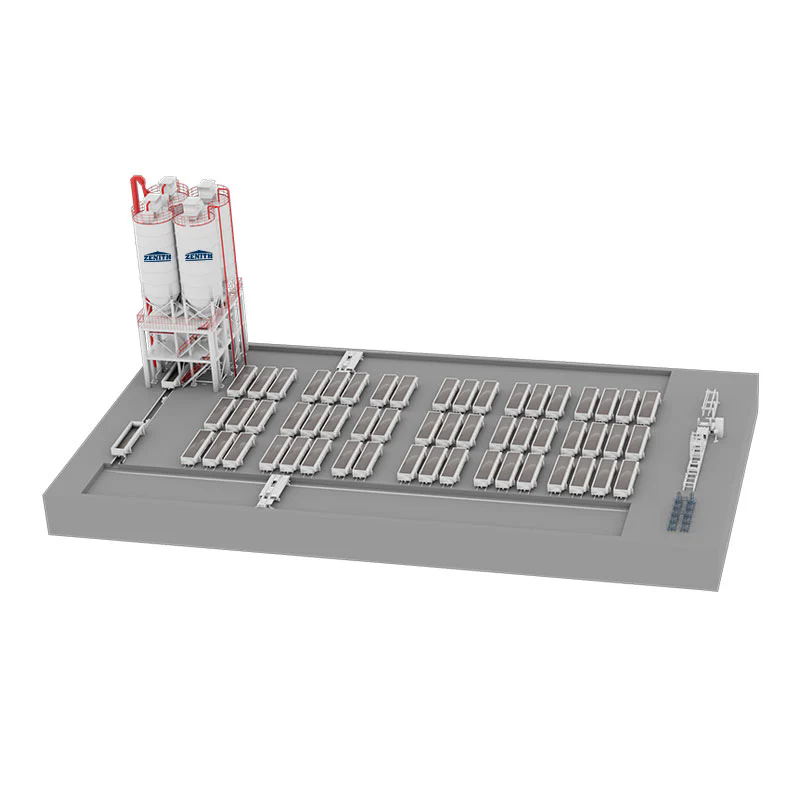
AAC Block Plant


Raw Material Issues

If the lime used is of substandard quality, containing excessive moisture and impurities, these impurities can form watermarks during the production process.

Siliceous materials, such as sand containing impurities and large-particle quartz sand powder, can also cause watermark formation.

Fly ash and clay, as important raw materials for aerated concrete, also have their composition, calcium-silicon ratio, and mix proportions affected by watermark formation.


Production Process Issues

Uneven mixing of the slurry during production can lead to inconsistent brick density, ultimately resulting in watermarks.

Damage or deposits on the mold surface, which fail to adequately prevent mortar leakage and delamination, are also contributing factors to watermark formation.

Insufficient welding temperature and time, or incomplete welding, can also cause mortar leakage and watermarks after curing.


Environmental Factors

When ambient humidity is high, the moisture in the bricks evaporates more slowly during the curing process, making them prone to watermarks.

During the curing process, poor lighting and ventilation, and the inability to regulate humidity, will also lead to watermarks.


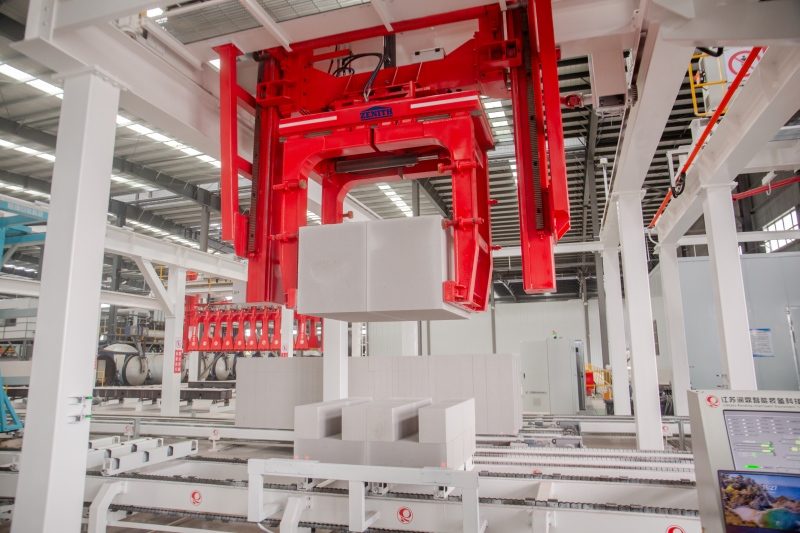
The performance of the aerated concrete block equipment on the production line directly affects product quality, including the presence or absence of watermarks. This section needs further explanation:

Mixer: Uniform mixing ensures thorough mixing of moisture in the raw materials, reducing watermark problems caused by uneven moisture distribution.

Pouring Machine: Strict control of pouring volume and speed helps prevent localized accumulation of raw materials within the mold, reducing the probability of watermark formation.

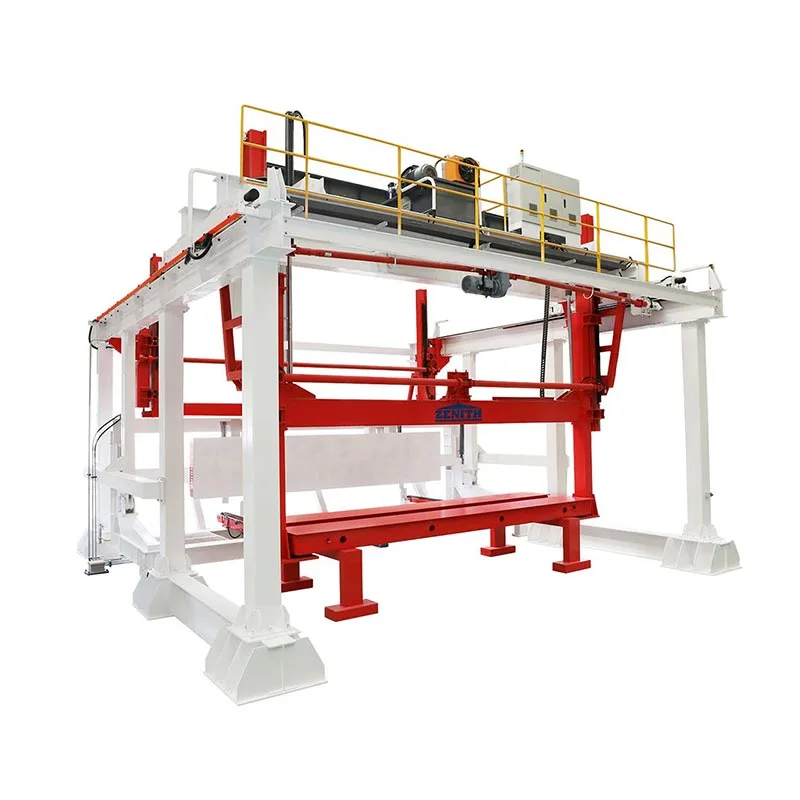
Cutting Machine: Proper cutting technology ensures consistent brick dimensions and surface flatness, indirectly reducing watermark problems caused by uneven surfaces.

Autoclave: A good steam curing system provides a stable temperature and humidity environment, playing a crucial role in preventing watermarks.


Related News
Leave me a message
X
We use cookies to offer you a better browsing experience, analyze site traffic and personalize content. By using this site, you agree to our use of cookies. Privacy Policy
RejectAccept