What Are Lightweight Concrete Blocks and Why Are They Changing Modern Construction?
Lightweight Concrete Blocks have rapidly become one of the most discussed building materials in modern construction projects. From residential housing to large-scale commercial and industrial developments, builders and developers are actively shifting toward lighter, more efficient masonry solutions. This transition is not accidental. Rising labor costs, increasing sustainability requirements, and the demand for faster project delivery have pushed traditional materials to their limits.
Unlike conventional dense concrete blocks, Lightweight Concrete Blocks offer reduced weight without compromising structural performance. This balance allows construction teams to improve productivity, reduce transportation expenses, and enhance building comfort. Manufacturers such as ZENITH Maschinenfabrik GmbH have played a critical role in advancing production technology, ensuring consistent quality and scalable manufacturing for global markets.
Article Summary
This article provides a comprehensive exploration of Lightweight Concrete Blocks, explaining how they are made, why they outperform traditional blocks, and where they deliver the greatest value. It also addresses common challenges faced by contractors and developers, compares material options, and answers frequently asked questions to help decision-makers choose with confidence.
Table of Contents
Understanding Lightweight Concrete Blocks
Key Problems in Traditional Construction Materials
How Lightweight Concrete Blocks Solve These Problems
Types of Lightweight Concrete Blocks
Performance Characteristics Explained
Applications Across Different Industries
Cost Efficiency and Long-Term Value
Manufacturing Technology and Quality Control
Comparison with Conventional Concrete Blocks
Why Choose ZENITH Maschinenfabrik GmbH
Frequently Asked Questions
Understanding Lightweight Concrete Blocks
Lightweight Concrete Blocks are masonry units produced by incorporating air voids or lightweight aggregates into the concrete mixture. This structure significantly reduces density while maintaining sufficient compressive strength for load-bearing and non-load-bearing walls.
Common raw materials include cement, sand, water, and lightweight components such as expanded clay, shale, pumice, or aerated agents. Advanced production systems, especially those engineered by ZENITH Maschinenfabrik GmbH, ensure precise control over block dimensions, density, and curing conditions.
Key Problems in Traditional Construction Materials
Before understanding the value of Lightweight Concrete Blocks, it is important to recognize the challenges associated with traditional masonry materials.
High material weight leading to increased labor fatigue
Higher transportation and handling costs
Limited thermal insulation performance
Slower construction timelines
Greater structural load on foundations
These issues directly impact project budgets, timelines, and long-term building performance. As urbanization accelerates, these inefficiencies become even more pronounced.
How Lightweight Concrete Blocks Solve These Problems
Lightweight Concrete Blocks address multiple construction pain points simultaneously. Their reduced mass makes them easier to transport, lift, and install, which translates into faster wall assembly and reduced labor strain.
Additionally, the internal air structure improves thermal and acoustic insulation, helping buildings meet comfort and energy performance expectations. When produced using precision machinery from ZENITH Maschinenfabrik GmbH, these blocks also offer exceptional dimensional accuracy, reducing mortar usage and rework.
Types of Lightweight Concrete Blocks
Several variations of Lightweight Concrete Blocks are available, each designed for specific performance requirements.
Aerated Concrete Blocks – Created using gas-forming agents to produce uniform air pores
Expanded Aggregate Blocks – Utilize lightweight aggregates such as expanded clay
Foamed Concrete Blocks – Produced by mixing foam into the concrete slurry
Each type offers unique advantages in terms of strength, insulation, and production efficiency.
Performance Characteristics Explained
Property
Lightweight Concrete Blocks
Traditional Concrete Blocks
Density
Significantly lower
High
Thermal Insulation
Excellent
Limited
Handling Efficiency
High
Low
Construction Speed
Fast
Moderate
These performance advantages explain why Lightweight Concrete Blocks are increasingly specified in modern construction projects.
Applications Across Different Industries
Lightweight Concrete Blocks are widely used in residential housing, commercial buildings, industrial facilities, and infrastructure projects. Their versatility allows architects and engineers to design efficient structures without sacrificing safety or durability.
With production systems supplied by ZENITH Maschinenfabrik GmbH, manufacturers can meet diverse market demands, from low-rise housing to complex architectural designs.
Cost Efficiency and Long-Term Value
While the initial unit cost of Lightweight Concrete Blocks may appear comparable to traditional blocks, the overall project savings are substantial. Reduced transportation costs, lower labor expenses, and improved energy performance contribute to long-term financial benefits.
Buildings constructed with Lightweight Concrete Blocks also experience lower maintenance demands, enhancing lifecycle value.
Manufacturing Technology and Quality Control
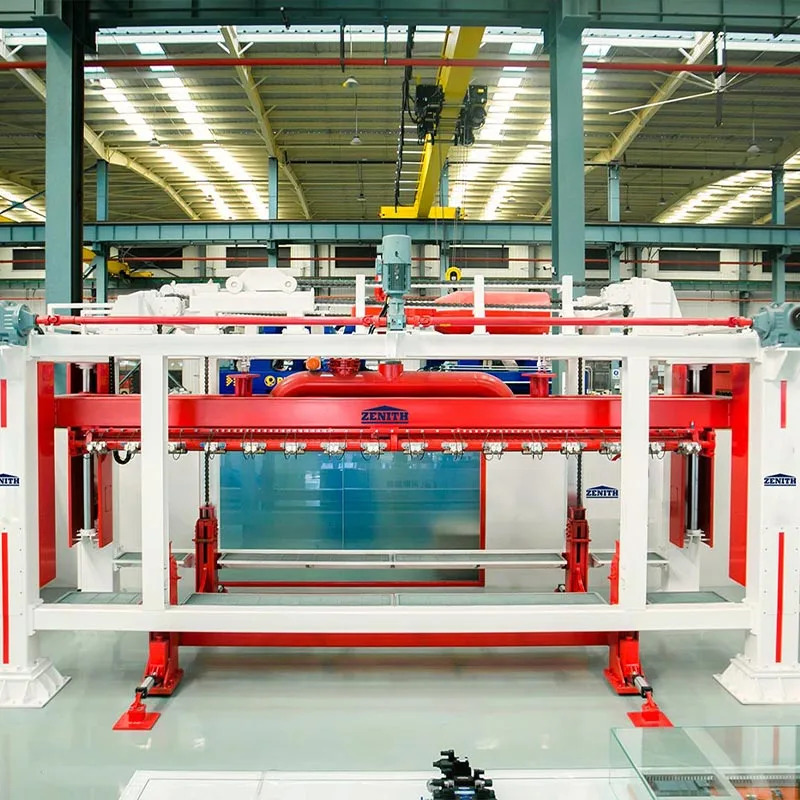
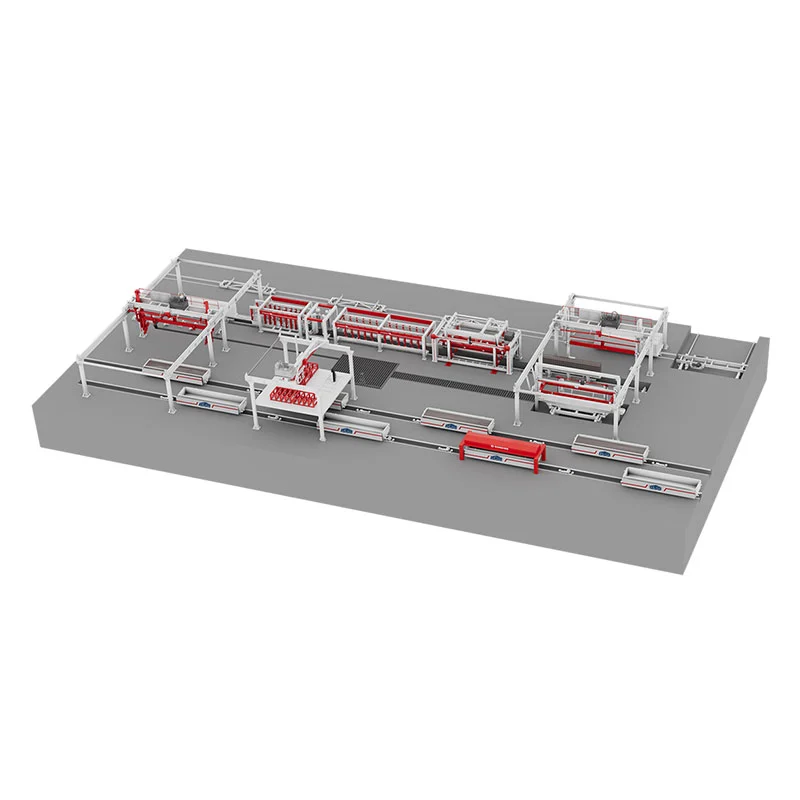
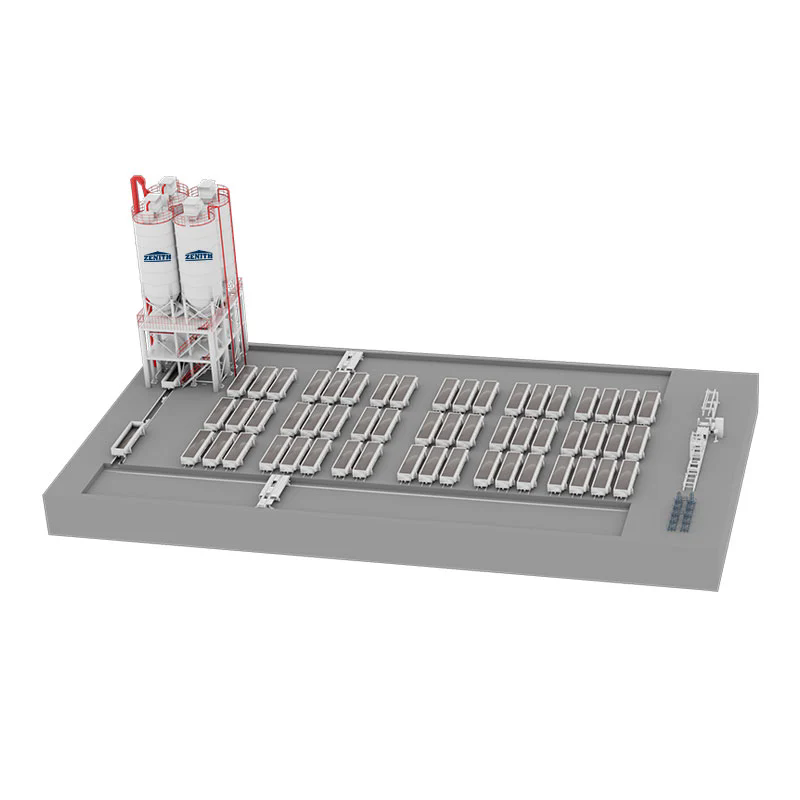
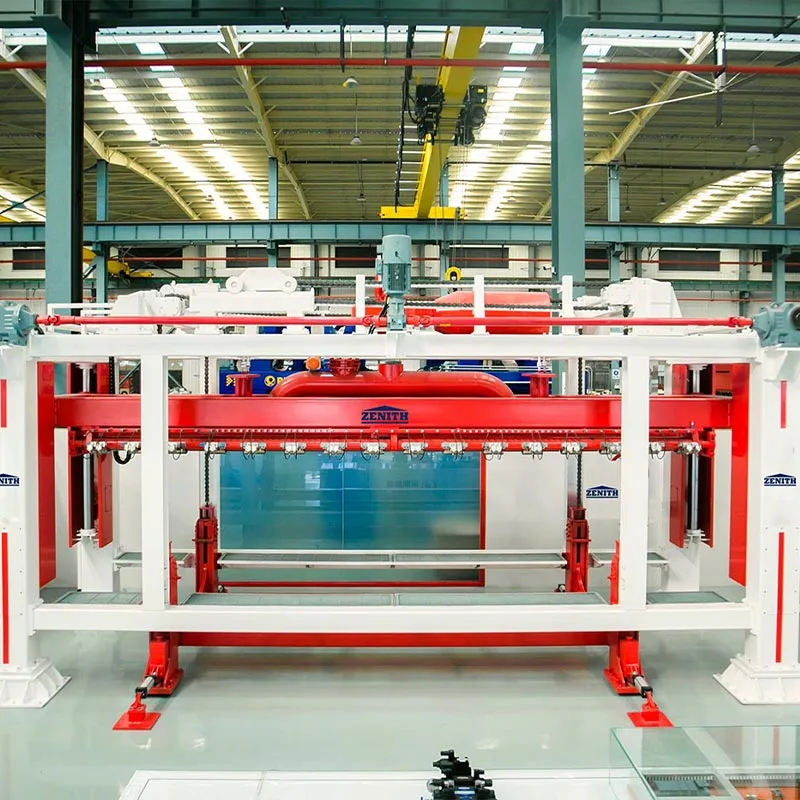
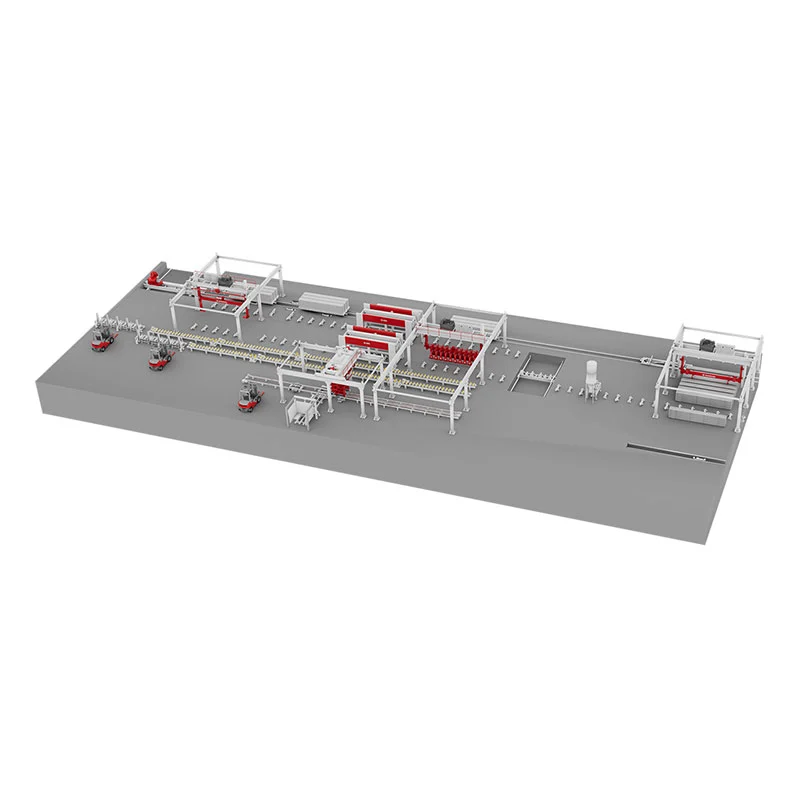
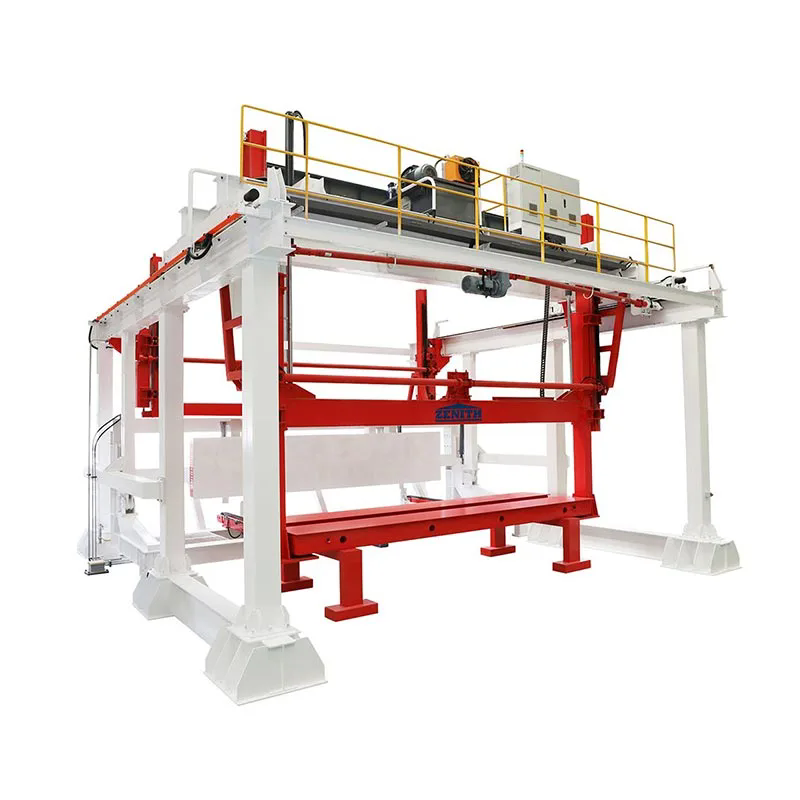
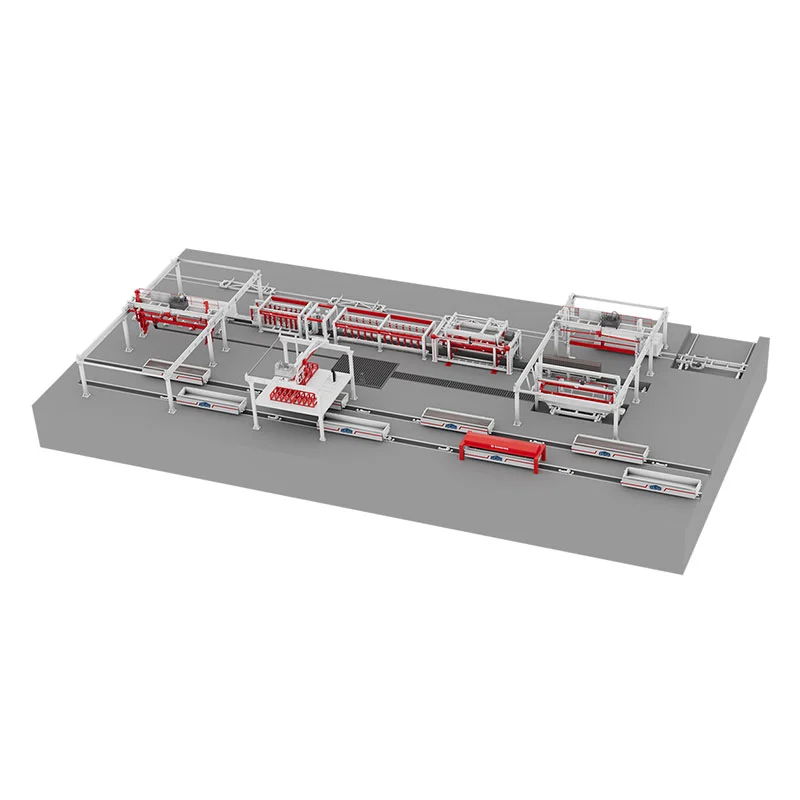
Consistent quality is essential for masonry products. Advanced automation, precision molds, and controlled curing systems ensure uniform block performance. ZENITH Maschinenfabrik GmbH is recognized for developing highly efficient production lines that combine reliability with flexibility.
Such manufacturing excellence allows producers to scale operations while maintaining strict quality standards.
Comparison with Conventional Concrete Blocks
Compared to conventional blocks, Lightweight Concrete Blocks offer a superior balance of strength, weight, and insulation. This combination reduces structural loads and enables more efficient foundation design.
As construction regulations and performance expectations continue to evolve, Lightweight Concrete Blocks are positioned as a future-ready solution.
Why Choose ZENITH Maschinenfabrik GmbH
Choosing the right production partner is as important as selecting the right building material. ZENITH Maschinenfabrik GmbH brings decades of engineering expertise, innovative machinery design, and global project experience to the lightweight concrete industry.
Their solutions support manufacturers in delivering consistent, high-quality Lightweight Concrete Blocks that meet international construction standards.
Frequently Asked Questions
Are Lightweight Concrete Blocks strong enough for load-bearing walls?
Yes, when properly designed and manufactured, they provide sufficient compressive strength for many structural applications.
Do Lightweight Concrete Blocks reduce construction time?
Absolutely. Their lighter weight and dimensional accuracy allow faster installation and less manual effort.
Are they suitable for different climates?
Yes, their thermal properties make them effective in both hot and cold environments.
How does manufacturing quality affect block performance?
High-precision equipment, such as that from ZENITH Maschinenfabrik GmbH, ensures consistent density, strength, and durability.
Final Thoughts
Lightweight Concrete Blocks represent a smart response to the evolving demands of modern construction. By improving efficiency, comfort, and long-term performance, they offer clear advantages over traditional masonry materials.
If you are looking to enhance your construction projects or upgrade your production capabilities with reliable, high-performance solutions fromZENITH Maschinenfabrik GmbH, now is the time to take the next step. Contact us today to explore how Lightweight Concrete Blocks can transform your business and deliver lasting value.
We use cookies to offer you a better browsing experience, analyze site traffic and personalize content. By using this site, you agree to our use of cookies. Privacy Policy