ZENITH Maschinenfabrik GmbH

How Does a Small-Scale AAC Block Plant Support Profitable Local Construction?

2025-12-30 0 Leave me a message
How Does a Small-Scale AAC Block Plant Support Profitable Local Construction?

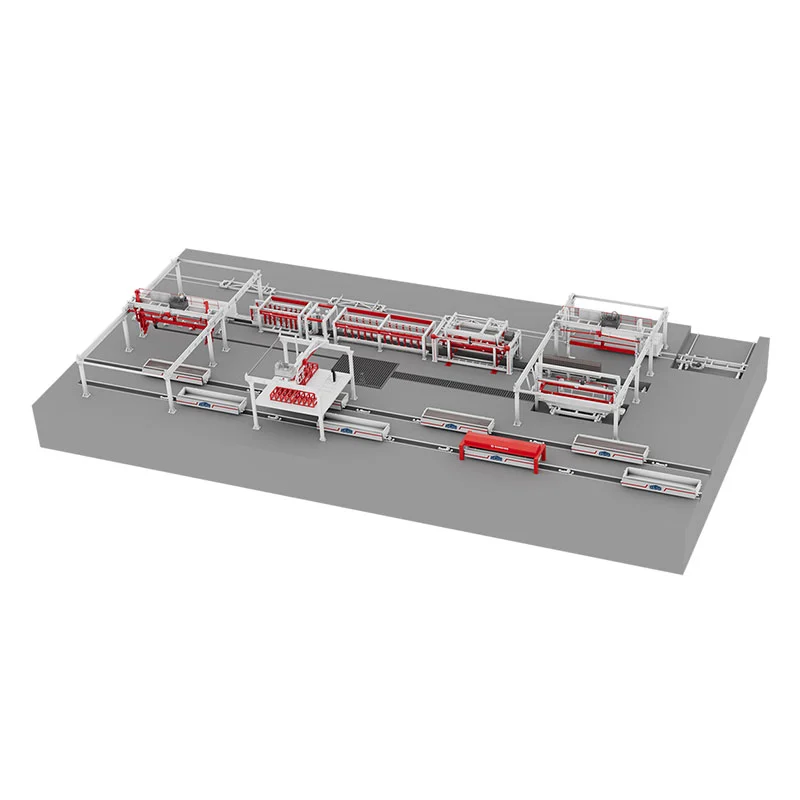
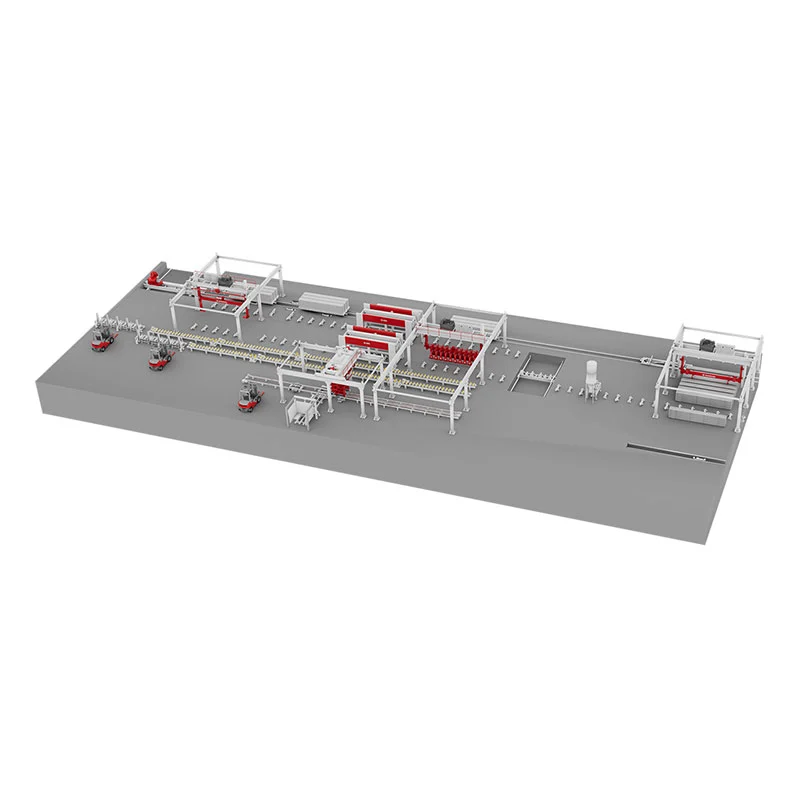
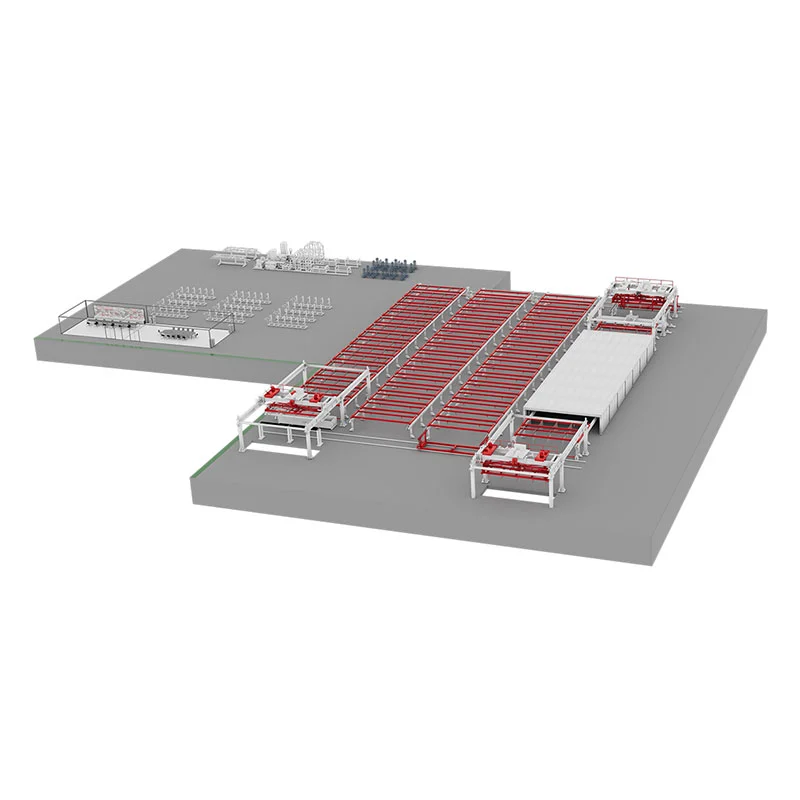
Small-Scale AAC Block Plant solutions are becoming increasingly popular as construction companies, investors, and local manufacturers seek cost-effective, sustainable, and flexible building material production options. With growing demand for lightweight, energy-efficient masonry units, small-scale AAC block plants provide an ideal entry point into the AAC (Autoclaved Aerated Concrete) industry without the high capital burden of large industrial facilities.

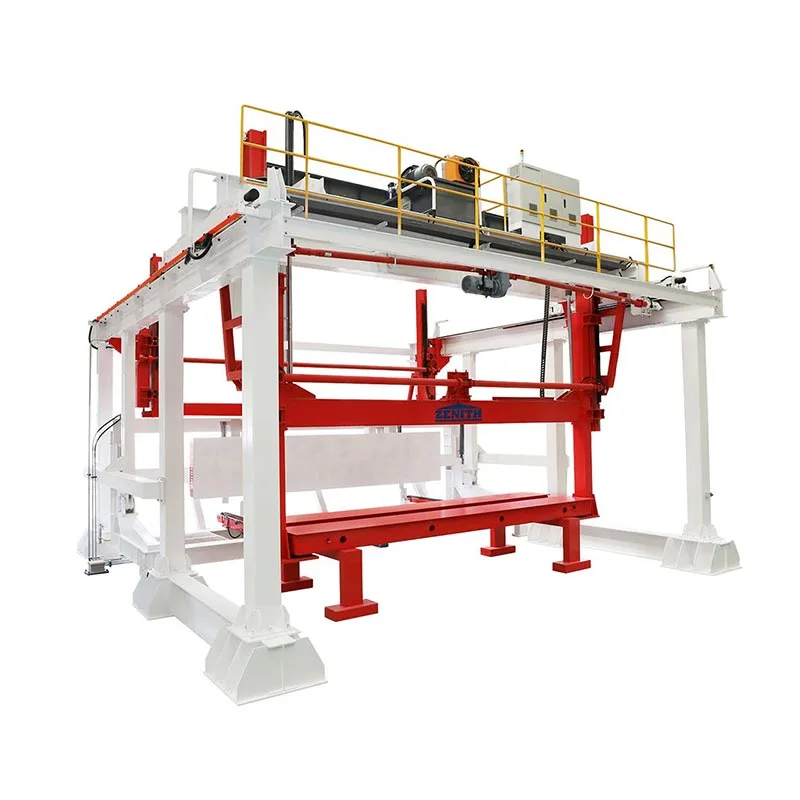
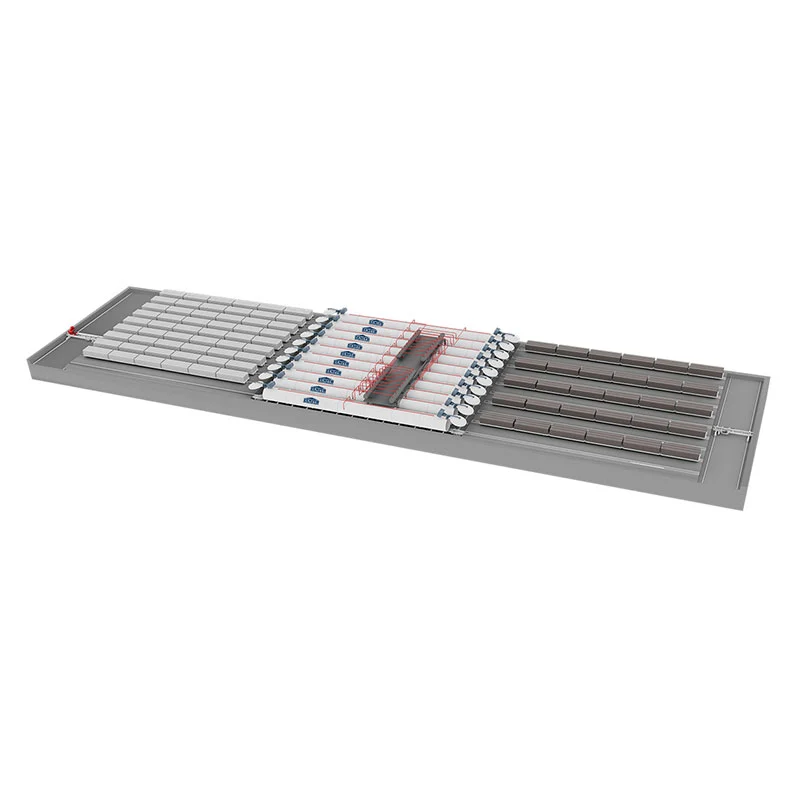
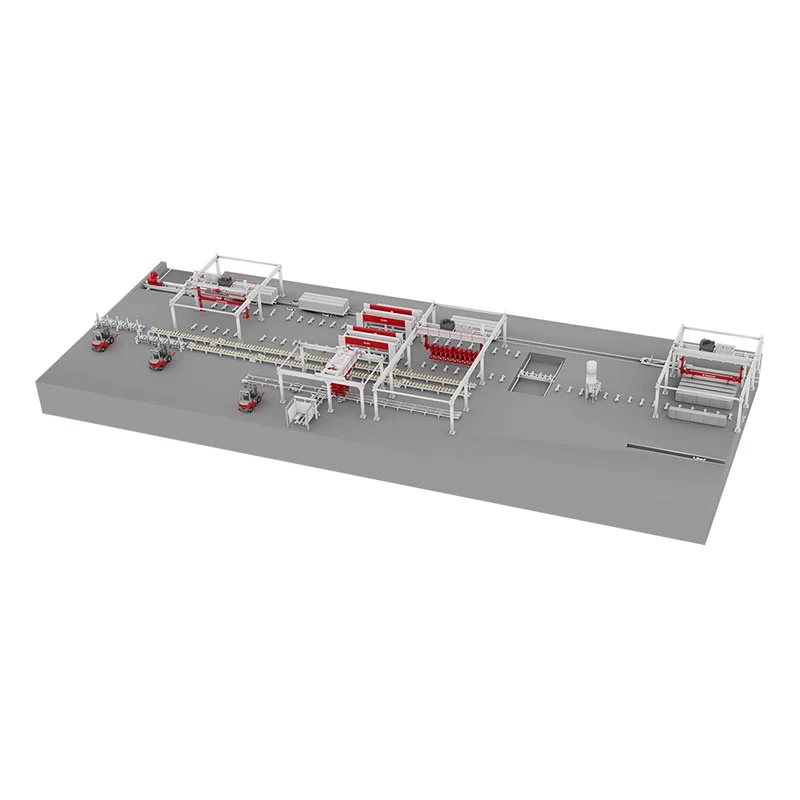
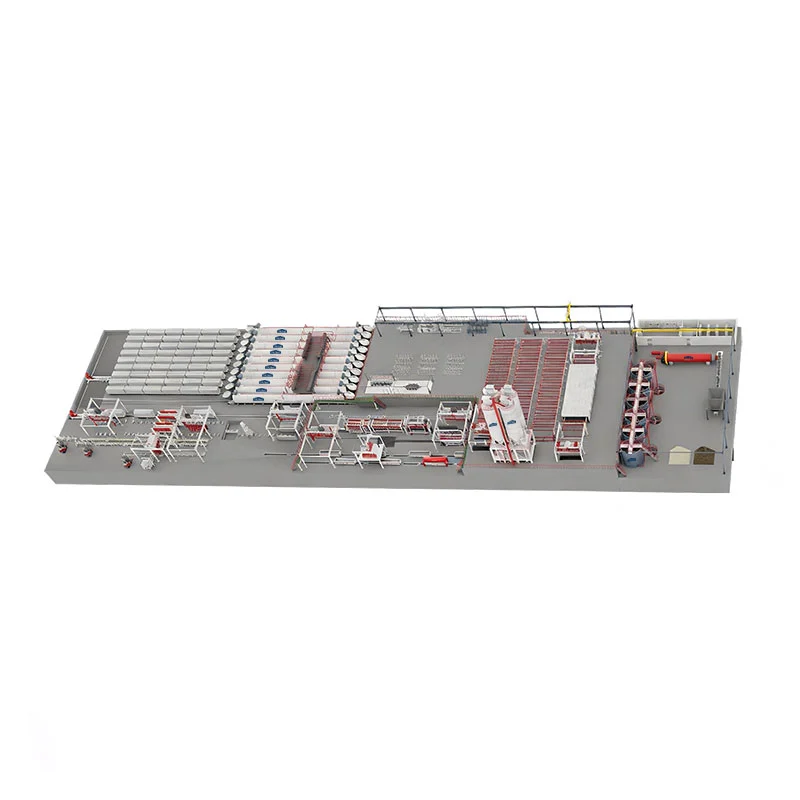
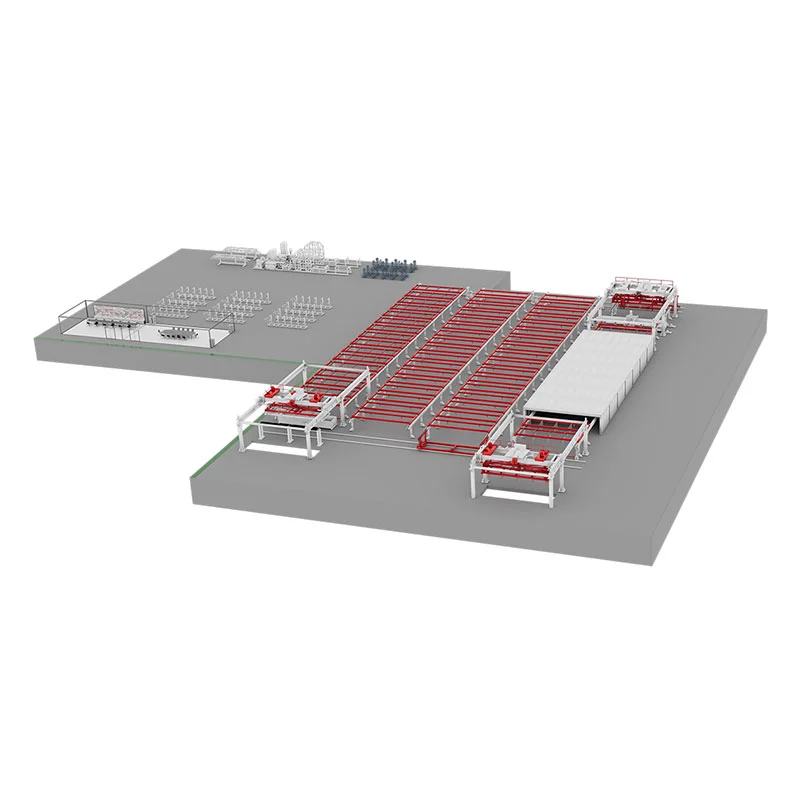
Small-Scale AAC Block Plant


Article Abstract

This article provides a comprehensive overview of the Small-Scale AAC Block Plant, explaining how it works, why it matters, and how investors and manufacturers can benefit from it. From equipment configuration and production flow to cost analysis, advantages, FAQs, and real-world applications, this guide is designed to help readers make informed decisions. 


Table of Contents

  1. What Is a Small-Scale AAC Block Plant?
  2. Why Is a Small-Scale AAC Block Plant Gaining Market Attention?
  3. How Does a Small-Scale AAC Block Plant Work?
  4. Which Equipment Is Required for a Small-Scale AAC Block Plant?
  5. What Are the Technical Parameters and Output Capacities?
  6. How Does a Small-Scale AAC Block Plant Compare to Large-Scale Plants?
  7. What Are the Key Benefits for Investors and Builders?
  8. Which Applications Are Best for AAC Blocks?
  9. How to Evaluate the Return on Investment?
  10. Frequently Asked Questions (FAQ)
  11. References and Industry Sources

What Is a Small-Scale AAC Block Plant?

A Small-Scale AAC Block Plant is a compact AAC production line designed for moderate output, typically serving regional or local construction markets. Unlike large automated factories, this plant configuration emphasizes flexibility, lower initial investment, and simplified operation while still maintaining consistent product quality.

AAC blocks produced in these plants are lightweight, thermally efficient, fire-resistant, and environmentally friendly. Because of these characteristics, AAC blocks are widely used in residential, commercial, and industrial construction projects.


Why Is a Small-Scale AAC Block Plant Gaining Market Attention?

The rising popularity of small-scale AAC block plants is driven by several global trends:

  • Rapid urbanization and housing demand in emerging markets
  • Increased focus on energy-efficient and green buildings
  • High transportation costs of traditional bricks
  • Government incentives for sustainable construction materials

By producing AAC blocks locally, manufacturers reduce logistics costs while responding faster to market demand. This localized production model has proven especially effective in developing regions and fast-growing urban zones.


How Does a Small-Scale AAC Block Plant Work?

The production process of a Small-Scale AAC Block Plant follows the same fundamental principles as larger plants, but with simplified automation and optimized layout.

  1. Raw Material Preparation: Cement, lime, fly ash or sand, gypsum, and aluminum powder are precisely weighed.
  2. Mixing: Materials are blended into a slurry with controlled consistency.
  3. Molding: The mixture is poured into molds where aeration occurs.
  4. Pre-curing: The green cake gains initial strength.
  5. Cutting: Wire cutting systems shape blocks to exact dimensions.
  6. Autoclaving: High-pressure steam curing ensures strength and durability.

This streamlined process ensures reliable quality while keeping operating costs manageable.


Which Equipment Is Required for a Small-Scale AAC Block Plant?

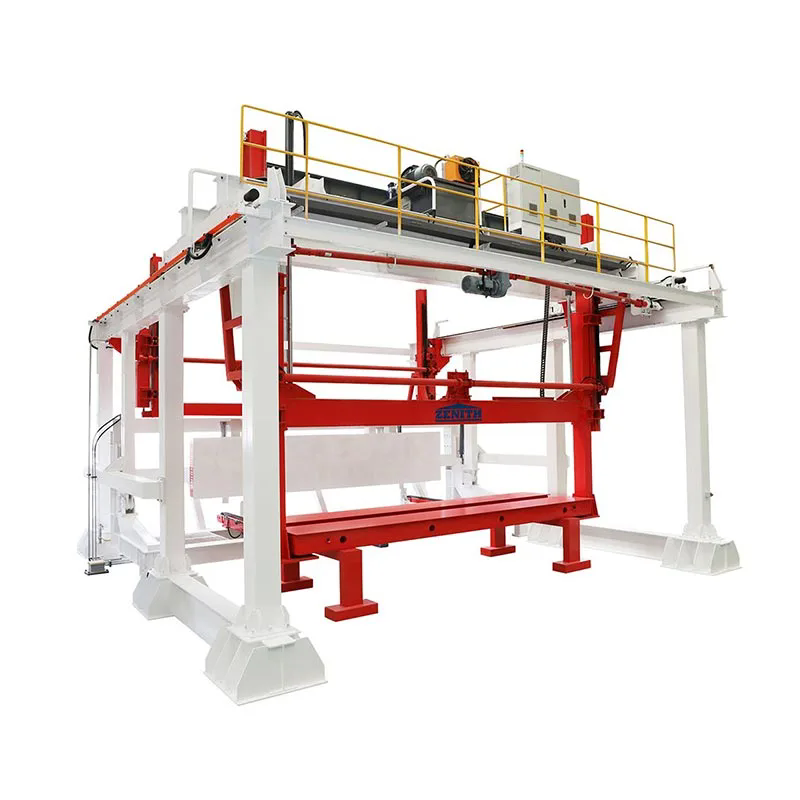
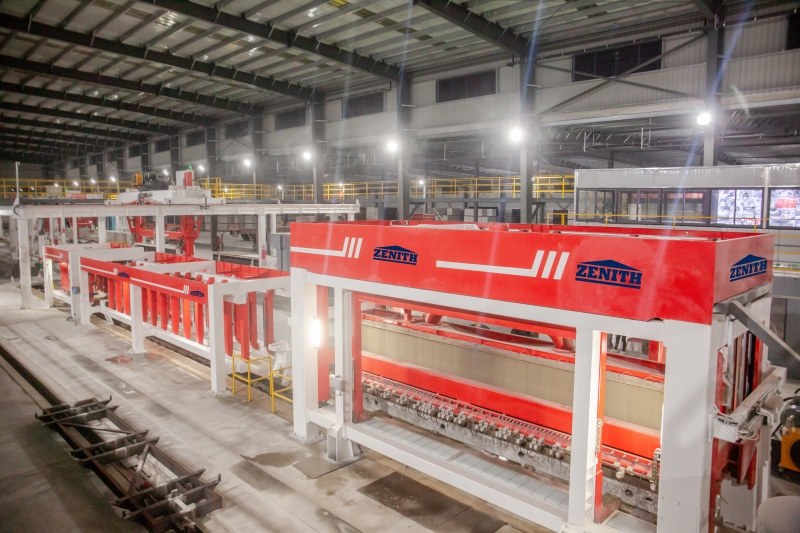
Despite its compact size, a Small-Scale AAC Block Plant includes all essential equipment required for AAC manufacturing.

Equipment Function
Raw Material Batching System Accurate weighing of cement, lime, sand, and additives
Mixing Unit Uniform slurry preparation
Molds Shaping AAC green cakes
Cutting Machine Precision cutting of AAC blocks
Autoclave High-pressure steam curing

Manufacturers such as ZENITH Maschinenfabrik GmbH are widely recognized for supplying reliable AAC and concrete block machinery with proven industrial performance.


What Are the Technical Parameters and Output Capacities?

Small-scale AAC block plants typically offer flexible production capacities suitable for regional markets.

  • Annual capacity: 30,000 – 100,000 m³
  • Block density: 500 – 700 kg/m³
  • Block strength class: A2.5 – A5.0
  • Energy efficiency: High thermal insulation values

These parameters allow manufacturers to meet building code requirements while maintaining competitive pricing.


How Does a Small-Scale AAC Block Plant Compare to Large-Scale Plants?

Choosing between a small-scale and large-scale AAC block plant depends on business objectives.

  • Investment: Small-scale plants require significantly lower capital.
  • Flexibility: Easier to adapt to market changes.
  • Footprint: Smaller land requirements.
  • Automation: Moderate automation compared to fully automated plants.

For startups and regional suppliers, small-scale AAC block plants often represent a more balanced risk-to-return ratio.


What Are the Key Benefits for Investors and Builders?

A Small-Scale AAC Block Plant delivers value across the construction supply chain.

  • Lower transportation and logistics costs
  • Consistent product quality
  • Reduced carbon footprint
  • Faster construction timelines

Builders benefit from lighter structures and improved thermal performance, while investors gain access to a growing green building market.


Which Applications Are Best for AAC Blocks?

AAC blocks produced in small-scale plants are suitable for:

  • Residential housing projects
  • Commercial buildings
  • Industrial facilities
  • Schools and hospitals

Due to their fire resistance and insulation properties, AAC blocks are increasingly specified in modern building standards.


How to Evaluate the Return on Investment?

Evaluating ROI for a Small-Scale AAC Block Plant involves analyzing raw material availability, energy costs, labor expenses, and local market demand.

In many regions, break-even can be achieved within 2–4 years, depending on utilization rates and pricing strategy. Partnering with experienced equipment suppliers and using proven technology significantly reduces operational risks.

For further insights, readers can explore industry resources such as cement industry associations and construction material journals.


Frequently Asked Questions (FAQ)

Q: What is the ideal capacity for a Small-Scale AAC Block Plant?
A: The ideal capacity depends on local demand, but most small-scale plants operate efficiently between 30,000 and 100,000 cubic meters per year.

Q: How much land is required for a Small-Scale AAC Block Plant?
A: Typically, 2–4 hectares are sufficient, depending on layout design and storage needs.

Q: Is a Small-Scale AAC Block Plant environmentally friendly?
A: Yes, AAC production consumes fewer raw materials and offers excellent energy efficiency, reducing overall environmental impact.

Q: Can fly ash be used as a raw material?
A: Yes, fly ash is commonly used and helps recycle industrial by-products while maintaining block quality.

Q: How does automation level affect production quality?
A: Even with moderate automation, consistent quality can be achieved when equipment is properly calibrated and operated.


References and Industry Sources

  • International Autoclaved Aerated Concrete Association
  • World Cement Magazine
  • European Committee for Standardization (EN AAC Standards)

Conclusion

A Small-Scale AAC Block Plant is a strategic solution for businesses aiming to enter the sustainable construction materials market with controlled investment and scalable growth potential. Backed by experienced machinery suppliers such as ZENITH Maschinenfabrik GmbH, this production model aligns perfectly with modern construction trends.

If you are planning to invest in AAC manufacturing or upgrade your existing production line, now is the right time to explore tailored solutions—contact us to discuss how a Small-Scale AAC Block Plant can support your business goals.

Related News
Leave me a message
X
We use cookies to offer you a better browsing experience, analyze site traffic and personalize content. By using this site, you agree to our use of cookies. Privacy Policy
RejectAccept