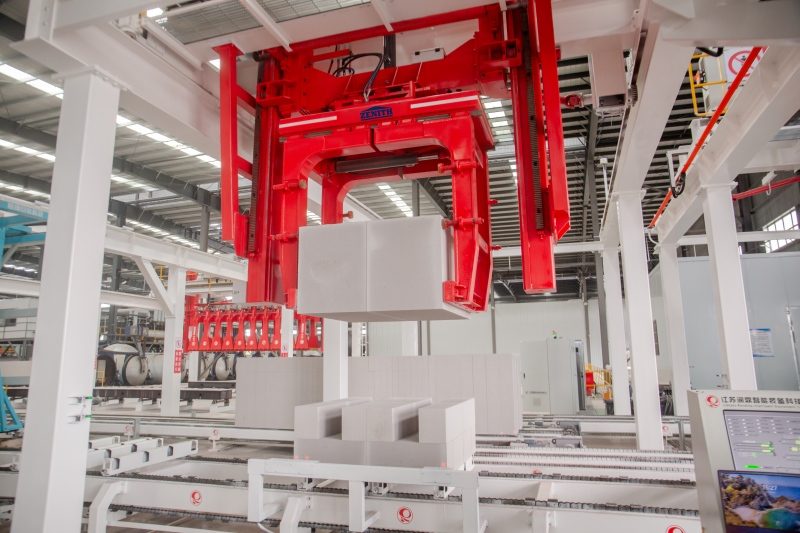
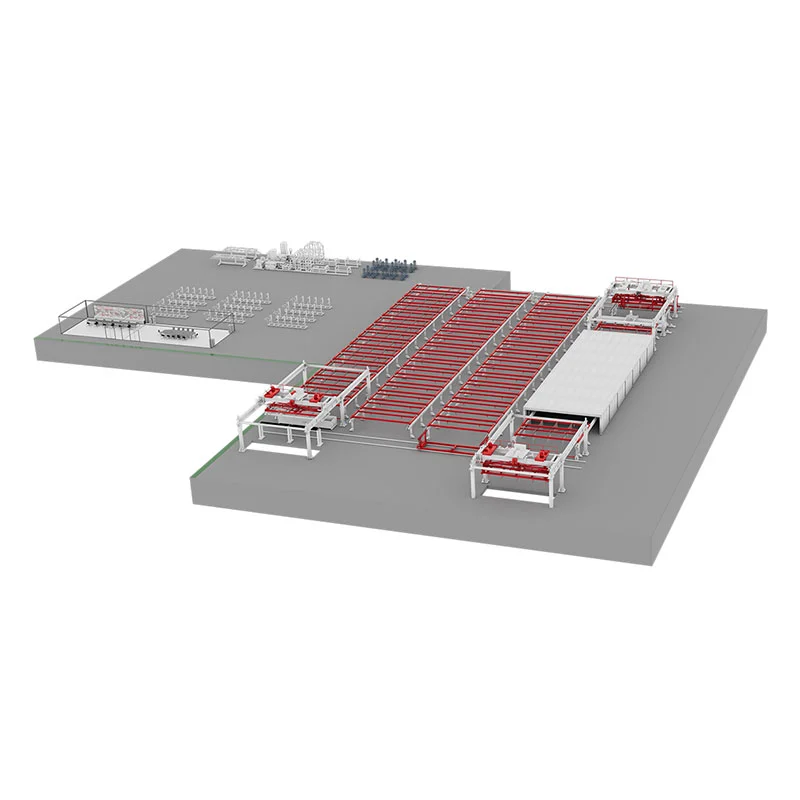
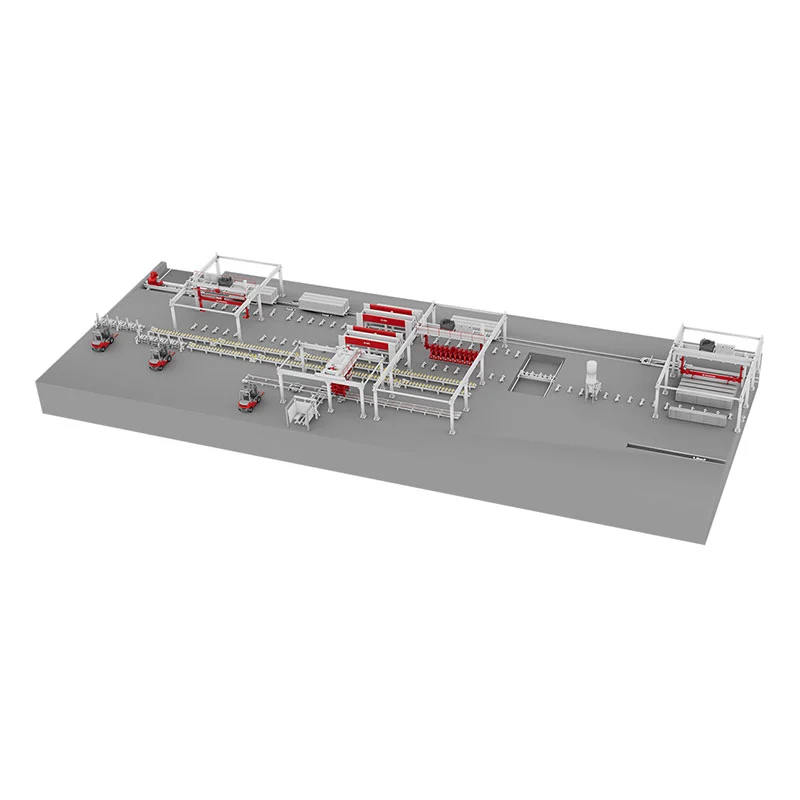
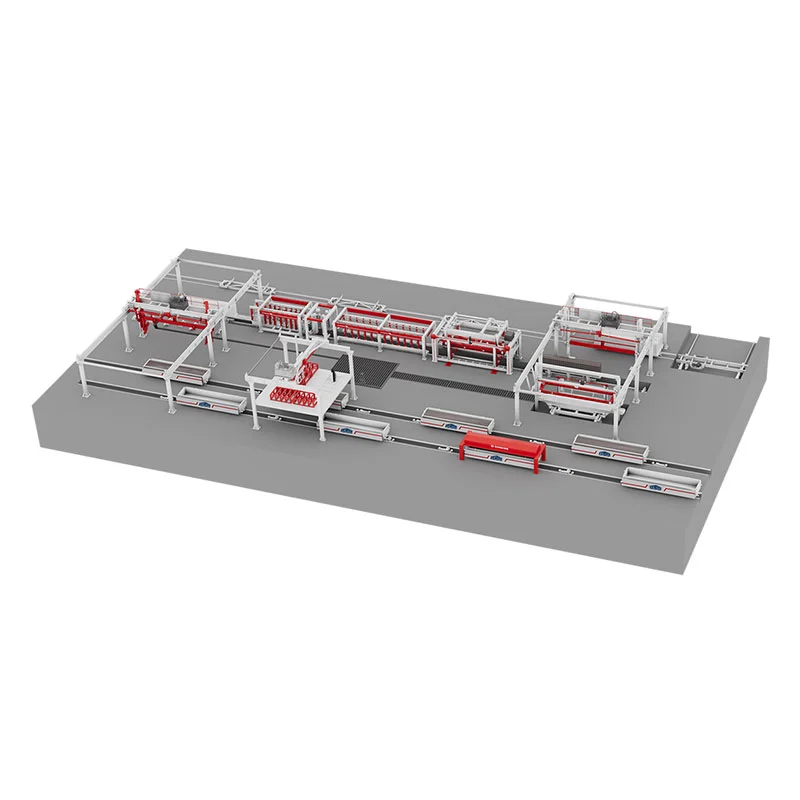
In the building materials manufacturing industry, aerated concrete blocks are a lightweight, heat-insulating, and sound-insulating commonly used material. To ensure stable production of aerated concrete blocks, scientific maintenance of the equipment is essential. From raw material processing to finished product output, every stage of equipment requires meticulous care.
Raw material processing equipment is the "source" of aerated concrete block production, and its maintenance focuses on preventing wear and blockage. Taking a crusher as an example, during raw material crushing, ores, waste residue, and other materials continuously impact and rub against the crushing hammers and liners. During use, the wear of the hammers and liners should be checked regularly. If it reaches a certain level, spare parts should be replaced promptly; otherwise, excessive wear will lead to decreased crushing efficiency, and further delays may even cause equipment failure. Simultaneously, the tension adjustment of the belt conveyor also needs attention to prevent belt slippage or deviation. Residual materials on the belt should also be cleaned regularly to avoid accumulation affecting conveying efficiency and causing mechanical damage inside the equipment.
The mixing equipment is the "core hub" of aerated concrete block production, directly affecting the uniformity of raw material mixing and product quality. During prolonged mixing, the blades of the mixer are susceptible to corrosion and wear from the materials. Regular inspection is necessary, and damaged blades should be replaced immediately. Bearings in the mixing equipment are also vulnerable components; regularly adding or replacing grease to ensure proper lubrication is crucial. Otherwise, overheating and seizing of the bearings can disrupt normal operation. Additionally, the mixing equipment generates significant vibration during operation, requiring regular checks to ensure the fixing bolts are not loose.
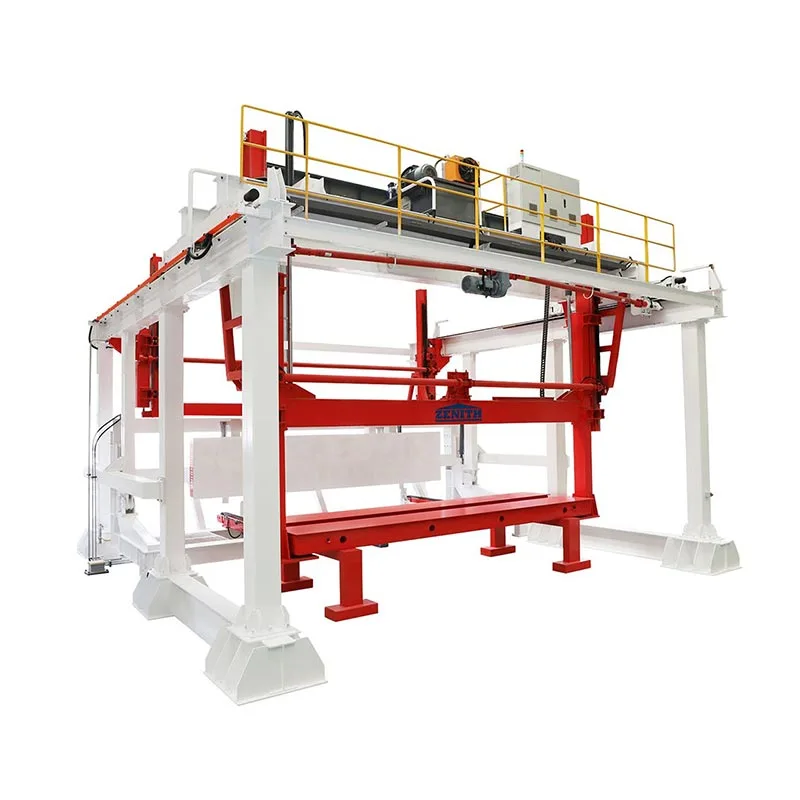
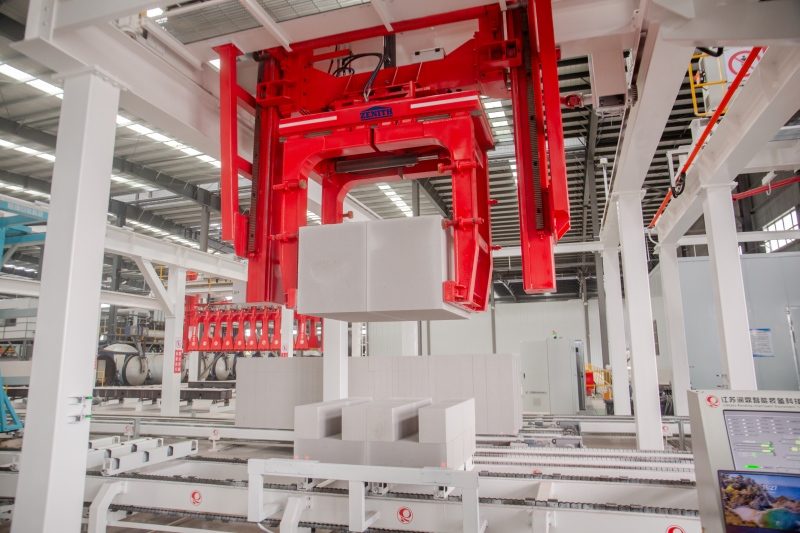
The molds and cutting equipment determine the molding accuracy and appearance quality of the aerated concrete blocks. During use, the molds may adhere to and rub against the aerated concrete block blanks. After each use, the mold surface must be cleaned promptly to remove any residual material. Hardened material will be difficult to clean, affecting the mold's lifespan and the aerated concrete block's appearance. For the cutting equipment, the tension and wear of the cutting wire should be checked regularly. Insufficient tension will lead to decreased cutting accuracy, while severe wire wear may cause breakage and production interruptions. The guide rails of the cutting equipment also require regular lubrication and cleaning to prevent obstruction from affecting the straightness and perpendicularity of the cuts.
Besides focusing on the equipment itself, managing the operating environment is equally important. The production process of aerated concrete blocks generates a large amount of dust. This dust not only affects the health of operators but also enters the equipment, accelerating the wear and tear of equipment components. Therefore, it is essential to ensure the normal operation of dust removal equipment in the workshop, clean dust removal pipes and dust collection boxes regularly, and maintain a good ventilation environment. In addition, the electrical system of the equipment must be protected against moisture and dust, and electrical wiring should be checked regularly for aging or loosening to prevent safety accidents caused by electrical faults.
We use cookies to offer you a better browsing experience, analyze site traffic and personalize content. By using this site, you agree to our use of cookies. Privacy Policy